
Livraison le jour même ou le lendemain

Qualité garantie

Débloquez vos offres de bienvenue: Livraison GRATUITE | Jusqu'à -80 % | 30 jours d'essai gratuits à JoyPlus
Téléchargez l'application
The craze for coconut drinks shows no signs of slowing down. Whether it's for quenching your thirst after a workout with a refreshing coconut drink or as a milk substitute in your coffee, the shelves are overflowing with options. But with popularity comes clever, and sometimes misleading, marketing. It's all too easy to end up with a drink loaded with sugar when you thought you were buying pure coconut water.
To help you make an informed choice and avoid being misled, here are the most common traps to watch out for.
To see things more clearly, a few key checks are all you need to assess the quality and intended use of a coconut drink.
Your first and most important step: scrutinise the ingredient list. It's the product's only true ID card.
The nutritional information panel is your second-best friend. Pure coconut water naturally contains some sugar (around 2 to 5g per 100ml). The real enemy is added sugar.
The packaging should, of course, suit your lifestyle.
There's a coconut drink for every need. Here is our selection, curated for different profiles and uses.
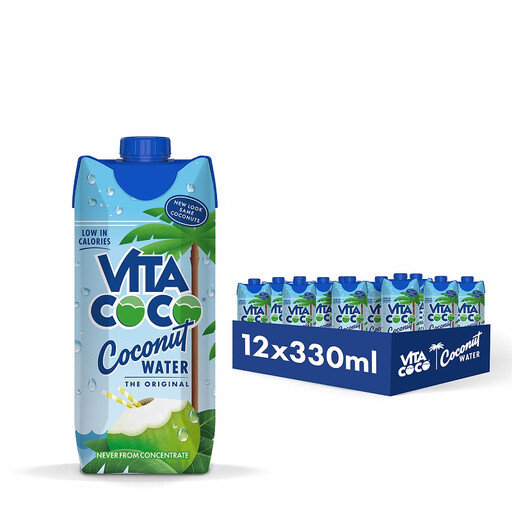
Why this product? Ideal for athletes or anyone looking for simple, effective hydration. The multipack format is convenient for stocking up and taking on the go to rehydrate after exercise or to start the day right.
This product avoids the hidden sugar trap. With 99% coconut water, its sugar content is very low (2.2g/100ml), and its composition is straightforward.
Rich in natural electrolytes and vitamin C. The 12-pack format is economical and perfect for regular use.
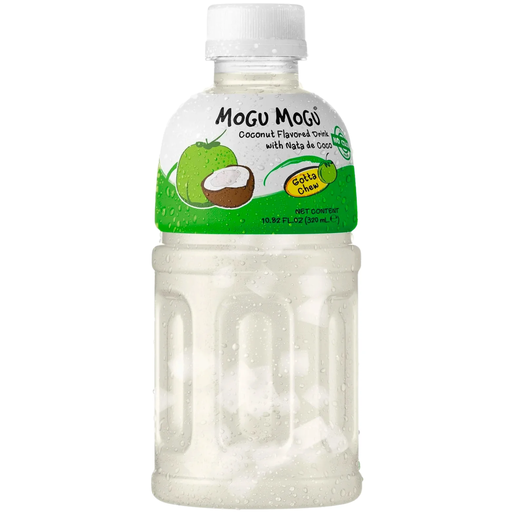
Why this product? Perfect for those who want a fun and original drink. The chewy nata de coco pieces offer a unique experience, halfway between a beverage and a snack.
This drink doesn't pretend to be healthy. It fully embraces its status as a treat, with a transparent ingredient list that includes sugar and nata de coco.
Its original and fun texture, thanks to the pieces of coconut jelly. A pronounced coconut taste for a 100% exotic break.
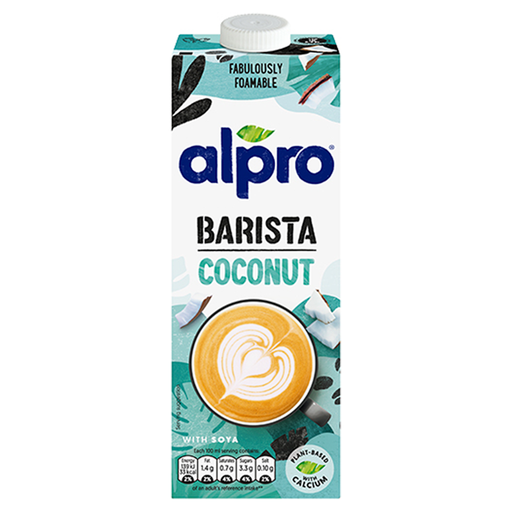
Why this product? Specially designed for coffee lovers looking for a plant-based alternative for their lattes and cappuccinos. Its formula is optimised to create a creamy, long-lasting foam.
This product avoids the trap of improper use. Trying to froth regular coconut milk often ends in failure (the drink separates). This "Barista" version is specifically formulated for that purpose.
Its "Barista" formula guarantees a perfect foam. The coconut flavour is subtle enough not to overpower the coffee's aroma. Enriched with calcium.
We have selected a full range of products that meet these quality criteria.
Coconut water is the translucent, low-calorie liquid found in young green coconuts, known for its hydrating properties. Coconut milk, on the other hand, is made by pressing the white pulp of mature coconuts. It is therefore thicker, fattier, and higher in calories. Be careful not to confuse cooking coconut milk (highly concentrated, often in a can) with a coconut milk drink, which is diluted with water to be more fluid.
Most drinks in cartons (UHT) can be kept in the refrigerator for 3 to 5 days after opening. Single-serving formats (cans, small bottles) should be consumed more quickly, often within 24 hours. In any case, the best practice is to always check the instructions on the packaging.
Absolutely not; each product has its own use. For a curry or a soup, you need cooking coconut milk (from a can), which is thick and high in fat. If you use a drinking coconut drink, which is diluted and often sweetened, your dish will be much more liquid and likely too sweet.