Dairy-free coffee, cereal and porridge
If you’re mainly looking for something to pour or drink, compare carton coconut drinks. The declared sugars, calcium content and storage instructions after opening may help you choose between two products.


For a dairy-free coffee, cereal or porridge, start by comparing carton coconut drinks. If you’re making a brunch recipe that needs a thicker texture, look at culinary coconut milks instead: their ingredients differ from those of drinks, while a rice and coconut drink may contain sugars even when labelled ‘no added sugars’.
If you’re mainly looking for something to pour or drink, compare carton coconut drinks. The declared sugars, calcium content and storage instructions after opening may help you choose between two products.
If this information guides your choice, distinguish ‘no added sugars’ from the amount of sugars in the nutrition table. Check the calcium and vitamins on the specific product, too.
For pancakes, a chia mixture or a thick smoothie, the focus is more on how you’ll use it, the proportion of coconut and the fat content than on choosing a drink for cereal.
For a dairy-free breakfast, first decide whether you want a drink to pour or coconut milk for cooking. Then compare the labels of products intended for the same use.
| Criteria | What to check | Who it’s for |
|---|---|---|
| Drinking | Look for the description ‘plant-based drink’, then check the sugars and storage instructions after opening. | For my coffee, cereal or porridge, I mainly want a drink that’s easy to pour. Around 45% of consumers prioritise this use. |
| Sugars and stated nutritional content | Compare ‘of which sugars’ per 100 ml; if calcium matters to you, check the amount in the product you’ve chosen. | Before choosing between coconut and rice and coconut, I want to know the actual declared sugar content, not just what the front of the pack says. Checking the label is a priority for around 33% of consumers. |
| Texture for cooking | Check the proportion of coconut, as well as the fat and saturated fat content per 100 ml. | If I’m making a brunch recipe that needs a thicker coconut texture, I’m looking for a culinary milk rather than a drink. This is the top priority for around 22% of consumers. |
These products are intended for different uses. The Bio Village culinary product sold by E.Leclerc contains 47% coconut extract; it isn’t directly comparable with a plant-based drink intended for coffee or cereal.
For pouring into a bowl or cup, first look for the description ‘plant-based drink’. For cooking, compare the coconut content and fat in culinary milks.
The Auchan Bio rice and coconut drink sold by Auchan is labelled ‘no added sugars’, but still declares 4.2 g of sugars per 100 ml.
Check the ‘of which sugars’ line per 100 ml and, if you want to work it out per serving, take into account how much you actually pour.
The Alpro Coco Sans Sucres drink sold by Auchan declares 0.1 g of protein per 100 ml. You can’t tell what it contains from the plant-based description alone.
If protein content is one of your criteria, check this line in the nutrition information for each product you compare.
Ingredients vary between recipes. For prepacked foods in France, the Directorate-General for Competition, Consumer Affairs and Fraud Control reminds shoppers that allergenic ingredients must be declared and highlighted.
Check the packaging of the specific product you buy, especially the ingredients and allergen information, rather than assuming it’s suitable based on the name or image.
The brand’s range includes a carton coconut drink intended for drinking.
Auchan’s range includes a coconut drink and a rice and coconut drink, both in 1 L cartons.
E.Leclerc’s range includes a 1 L rice and coconut drink and a 200 ml culinary coconut milk.
Carrefour’s range distinguishes between carton plant-based coconut drinks and culinary coconut milks in smaller packs.
ALDI France offers Milsani plant-based coconut milk yoghurt in plain and strawberry varieties, in a pack of 4 × 100 g. It’s a spoonable option, not a drink.
This selection includes coconut milks for recipes and coconut-flavoured drinks for breakfast. Choose according to how you plan to use the product, then check the label of the specific variety, especially if you’re avoiding dairy because of an allergy.
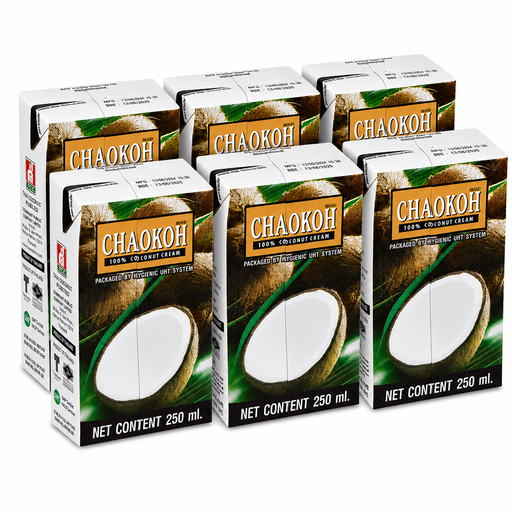 Image unavailable
Worth considering for several brunch recipes that call for culinary coconut milk, rather than as a substitute for a drink poured over cereal.
The pack contains six 250 ml cartons. If you’re avoiding an ingredient because of an allergy, check the packaging for allergen and ‘may contain’ information.
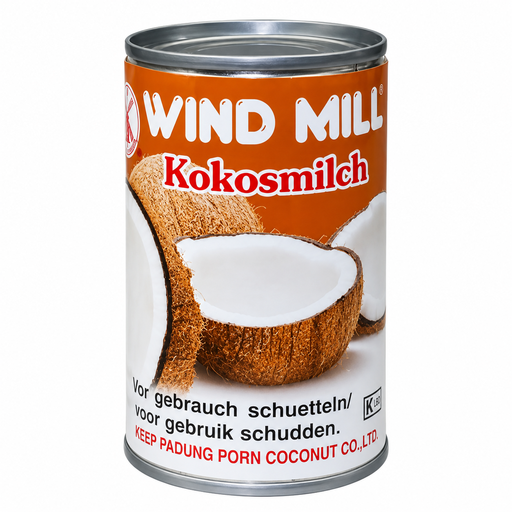 Image unavailable
This tinned culinary coconut milk is worth comparing for a brunch recipe that calls for this type of ingredient, rather than for drinking.
The tin contains 165 ml. If traces of milk are a deciding factor for you, check the information on the tin.
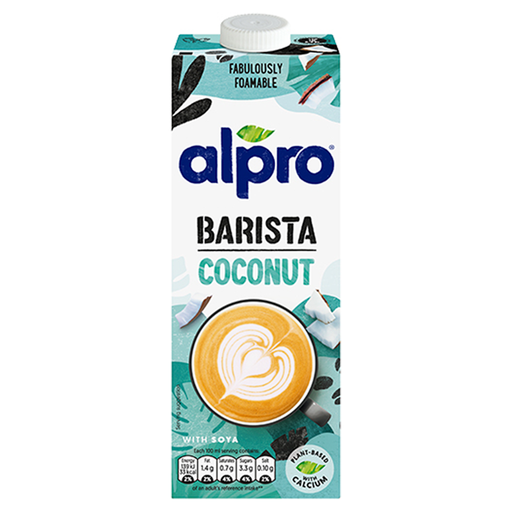 Image unavailable
This coconut-flavoured Barista drink is mainly for those looking for an option for coffee or a hot breakfast drink.
The recipe also contains an oat base, so check that it’s what you’re looking for. If calcium is part of your decision, check the amount on the packaging.
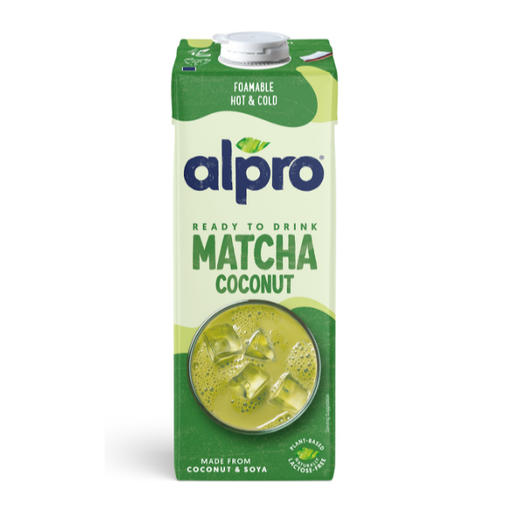 Image unavailable
Worth considering if you’re looking for a matcha and coconut breakfast drink rather than a plain coconut drink.
The recipe also contains soya. Check the packaging for sugars and allergen information, especially if you’re avoiding dairy because of an allergy.
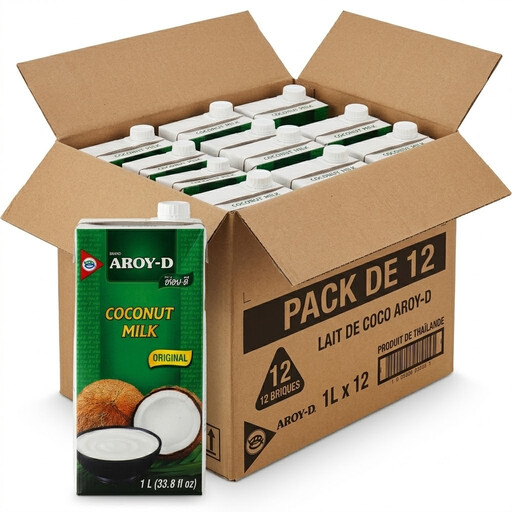 Image unavailable
This culinary coconut milk is worth considering for recipes, provided the pack size suits the quantity you plan to use.
The pack contains 12 cartons of 1 L, which is worth bearing in mind for an occasional brunch. Check the packaging for storage instructions after opening.
No. The Auchan Bio rice and coconut drink sold by Auchan is labelled ‘no added sugars’, but declares 4.2 g of sugars per 100 ml. To compare two drinks, check the ‘of which sugars’ line in the nutrition table.
You can use it in a recipe if you like the taste and texture, but don’t treat it as equivalent to a plant-based coconut drink. The Bio Village culinary milk sold by E.Leclerc contains 47% coconut extract. Check the fat content and how much your recipe needs before comparing it with a carton drink.
Follow the instructions on the drink you’ve bought: the listing for the Alpro Coco Sans Sucres drink sold by Auchan says to refrigerate it and consume it within five days of opening. Storage times and conditions can vary between products.
No. Read the ingredients and allergen information on the packaging of the specific product, including any ‘may contain’ warnings. For prepacked foods in France, the Directorate-General for Competition, Consumer Affairs and Fraud Control reminds shoppers that allergenic ingredients must be highlighted.