
Livraison le jour même ou le lendemain

Qualité garantie

Débloquez vos offres de bienvenue: Livraison GRATUITE | Jusqu'à -80 % | 30 jours d'essai gratuits à JoyPlus
Téléchargez l'application
The quest for the perfect coconut drink can quickly become a headache. Between promises of a tropical escape and complex labels, it's easy to end up with a disappointing product. As a product expert at Joybuy, my mission is to help you demystify the options. Let's forget the marketing jargon and the palm trees on the packaging and focus on what really matters to make the right choice.
Before you fill your cart, here are the most common pitfalls to avoid:
To sort through the options and be confident in your choice, here are the key points to check on the label before any purchase. These indicators will help you decode the packaging and select a drink you'll truly enjoy.
This is the number-one criterion for evaluating a drink's quality. A quality product will clearly display a high percentage of coconut juice or water, ideally over 70%. Below that, expect a drink dominated by water and sugar, far from the fruit's authentic taste. A good rule of thumb: check that coconut juice or water is the first item on the ingredients list. This guarantees you're sipping a real refreshing tropical drink, not just artificially flavored sugar water.
For those who love texture, this point is non-negotiable. There are several types of "pieces":
The choice depends on your preference, but knowing how to differentiate them will save you from unpleasant surprises on the first sip.
How you plan to use it will determine the ideal format.
To help you make your choice, here is our selection of products that meet the criteria we've just discussed, each tailored to a specific need.
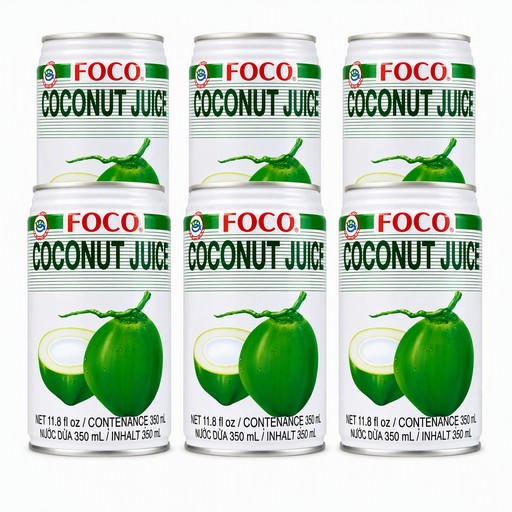
Why we chose it: Ideal for those seeking the authentic, low-sugar taste of young coconut juice. The multi-pack format is convenient for always having a refreshing drink on hand.
With its 80% young coconut juice and real pieces of pulp, this drink avoids the trap of overly diluted formulas. You get a natural texture, a world away from the gelatin of nata de coco.
A short ingredients list and a high juice content for an honest taste. The presence of real pulp is a major plus.
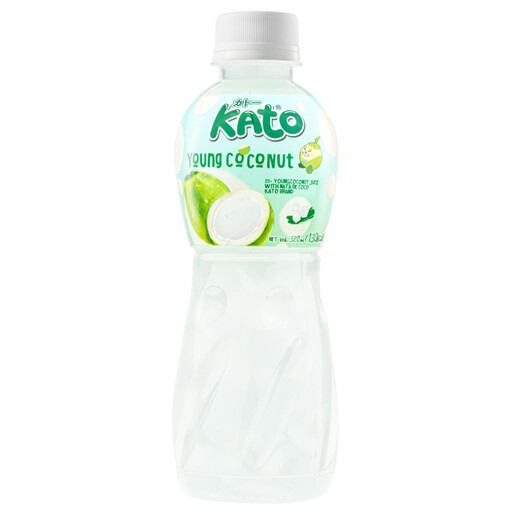
Why we chose it: Perfect for those who love drinks with a real chewiness. The nata de coco provides a truly unique mouthfeel that's a change from classic pulp.
No unpleasant surprises here: the brand is upfront with its 15% nata de coco. You know exactly what texture to expect, with no false promises of "natural pulp."
The combination of a fresh drink (25% coconut water) and a generous amount of nata de coco cubes for a dual experience: something to drink and to chew.
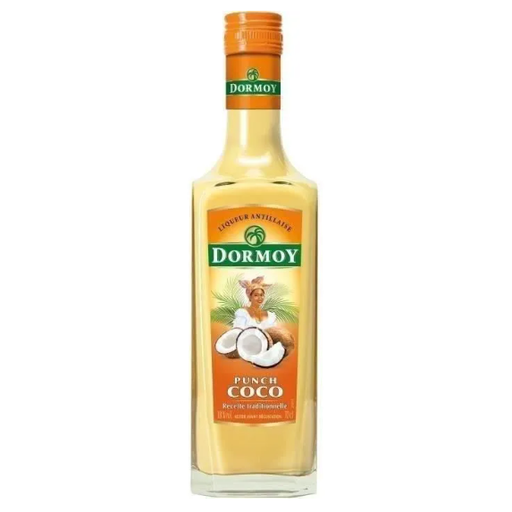
Why we chose it: For something different, try this adult version. It's an ideal base for a unique aperitif or a decadent cocktail.
The label couldn't be clearer: this is an 18% ABV alcoholic punch, not a simple fruit juice. There's no mistaking it if you're looking for a non-alcoholic beverage.
A well-crafted recipe that blends Rhum Agricole, coconut milk, vanilla, and spices. Ready to serve, ideally chilled or over ice.
We have selected a full range of products that meet our quality criteria and comply with current regulations.
Excellent question, as this is a common point of confusion.
As a general rule, once opened, a coconut drink should be stored in the refrigerator and consumed within 2 to 3 days. Beyond that, its taste can deteriorate when exposed to air. The best practice is to reseal the bottle or carton tightly and follow the manufacturer's instructions on the packaging.
It all depends on the drink... and the recipe! Sweetened juices and nectars are perfect as a base for cocktails, smoothies, or desserts. Drinking coconut milk, which is creamier, can be incorporated into light preparations. However, be careful not to confuse it with cooking coconut milk (in a can), which is much thicker, more concentrated, and richer in fat—essential for making a successful curry or other saucy dishes.