Livraison le jour même ou le lendemain

Qualité garantie

Débloquez vos offres de bienvenue: Livraison GRATUITE | Jusqu'à -80 % | 30 jours d'essai gratuits à JoyPlus
Téléchargez l'application
A special quiet settles in at the end of a shared meal. Conversations soften, the light gently fades. It's the moment the palate craves a final note—not opulent, but just right. A sweetness that provides a light conclusion, comforting without ever feeling heavy. For a long time, traditional French patisserie reigned supreme. But a new sensibility is emerging, one that seeks pure flavours, airy textures, and a simplicity that borders on elegance. This is precisely where the coconut dessert makes its entrance. More than just a flavour, it's a medium, a canvas for endless creativity.
To understand coconut in patisserie is to first learn to distinguish its forms. Coconut milk and coconut cream are not interchangeable; they are two dialects of the same language. Their fundamental difference lies in their fat content, which dictates their function and final result.
Coconut milk, being more fluid, is the base for many Southeast Asian curries and soups. In desserts, it lends a delicate creaminess to a flan, a light panna cotta, or a fragrant rice pudding. It infuses its flavour without ever overpowering, leaving room for other notes like vanilla, lime, or mango. It's the star ingredient in the famous Thai sticky rice dessert, generously coating the rice alongside fresh fruit.
Coconut cream, denser and richer, is the cornerstone of vegan coconut desserts. Its thick consistency allows for creating perfectly stable plant-based whipped creams, velvety ganaches, or a rich, crystal-free coconut ice cream. It replaces dairy cream with its own distinct personality, bringing a unique roundness and finish on the palate. Mastering this distinction is the first step toward composing a balanced and perfectly executed coconut dessert.
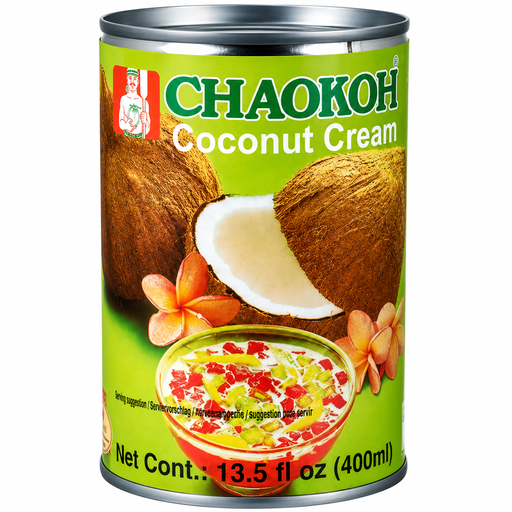
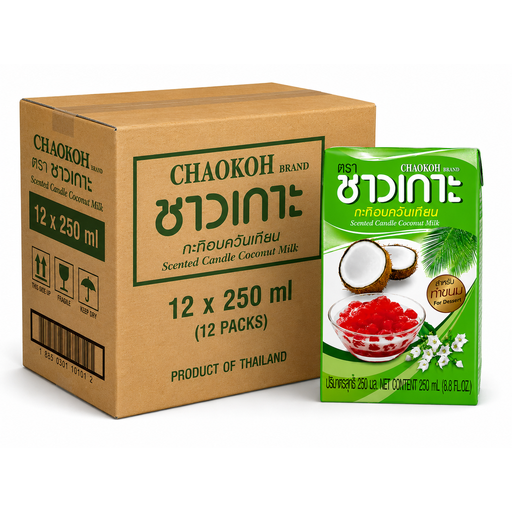
The quality of a dessert begins with the selection of its ingredients. For amateur and professional pastry chefs alike, starting with a reliable base is essential. A 22% fat coconut cream from Chaokoh provides the richness needed for preparations that require structure, like a mousse or a tart filling. For dessert sauces or more liquid mixtures, the brand's coconut milk for dessert is an excellent alternative. The availability of these essentials in bulk, such as the coconut cream in a 24-can case, simplifies life for cooks who use them regularly.
Beyond homemade preparations, the world of coconut desserts is expressed through ready-to-eat creations that celebrate texture. Mochi, the small sphere of glutinous rice enveloping an iced core, is a perfect example. It offers a fascinating play of contrasts between the chewiness of the dough and the coolness of the cream. Interpretations like BUONO's 100% plant-based coconut mochi ice cream or Little Moons' Creamy Coconut mochi perfectly illustrate this trend. For a gourmet break, Royal Family's coconut mochi is shelf-stable, offering a convenient and instant alternative.
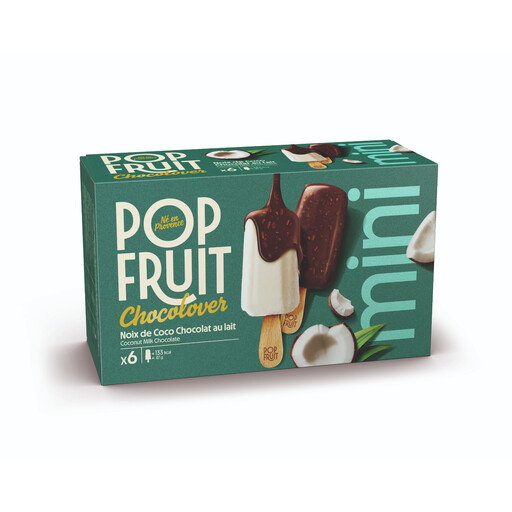
Simplicity can also take the form of an ice cream bar. The purity of a Foco ice cream bar or the sweetness of a Melona bar has a delicious taste of childhood nostalgia. Other creations explore more complex pairings. The Maison de la Glace Coconut & Mango Coulis ice cream tub marries the roundness of coconut with the tangy freshness of the exotic fruit. The Magnum Double Sunlover combines coconut with mango and passion fruit under a crisp white chocolate shell. While many sweets rely on the richness of traditional dairy, like the velvety texture of Nestlé's Kaymak milk cream, coconut opens up an alternative path: one of a unique and incredibly inspiring plant-based creaminess.
Ready to explore further? Our complete selection of coconut cream desserts is a treasure trove of inspiration for every food lover.