Coconut cream has become a staple in our kitchens. Whether it's to add creaminess to a curry, richness to a dessert, or to provide a plant-based alternative to traditional cream, its uses are endless. But once you're in the aisle, the sheer variety can be overwhelming, making it hard to know where to start. Fat content, ingredients, packaging... which product should you choose for which recipe?
This guide is here to give you clear, practical advice for choosing the perfect coconut cream for your recipes, cutting through the marketing noise.
Criteria for Choosing the Right Coconut Cream
To find the coconut cream that will elevate your recipes, you only need to consider a few simple criteria.
1. Fat Content: The Most Critical Factor
This is arguably the number one criterion. It dictates the texture and creaminess of your dish.
- Between 20% and 24% fat: This is the category of rich, thick coconut creams. It's the secret to a velvety Thai curry, a comforting soup, or a chocolate ganache that holds its shape perfectly. Once chilled, it can even be whipped into a stunning vegan whipped cream.
- Between 10% and 18% fat: This lighter version is often labelled "light coconut milk" or "light coconut cream." It's perfect for light sauces, smoothies, or marinades where you want the coconut flavour without the heaviness of a rich cream.
2. The Ingredients: Purist vs. Practical
A quick look at the ingredients list is a must. There are two main approaches:
- The Purist Version: These creams contain only coconut extract and water. This is often the approach for organic coconut cream, which focuses on maximum naturalness. The lack of additives can cause the product to separate naturally (the solid fat rises to the top), which doesn't affect its quality at all. Just stir it well.
- The Practical Version: Some creams include stabilisers like guar gum or xanthan gum. Their purpose? To ensure a smooth, stable texture that won't separate. A smart choice if you're aiming for a consistently smooth result every time.
3. The Packaging: Carton or Can?
The packaging is primarily a matter of convenience.
- Cartons (often 200 ml): Ideal for small batches or single-use recipes, they help reduce waste.
- Cans (usually 400 ml): More economical, they are perfect for family-sized meals or if you frequently use coconut cream in your cooking.
Recommended Coconut Cream Picks
Our editors have analysed the best options on the market to bring you a selection tailored to every need.
Kara UHT Coconut Cream 24%
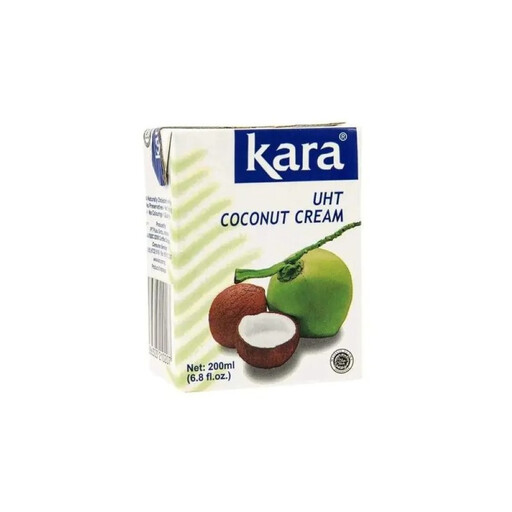
- Its key feature: Its 24% fat content gives it an unparalleled richness and creaminess. Made from 99.9% fresh coconut cream, it delivers an authentic, robust flavour.
- Highlights:
- Ultra-creamy texture, perfect for sauces and desserts.
- Naturally lactose-free and gluten-free, making it an excellent plant-based cream alternative.
- Convenient 200 ml size to prevent waste.
- Who is it for? For those seeking a rich, creamy coconut cream to elevate a slow-cooked dish or create a truly indulgent dessert. Its small size is ideal for occasional recipes.
Kara Organic UHT Coconut Cream 24%
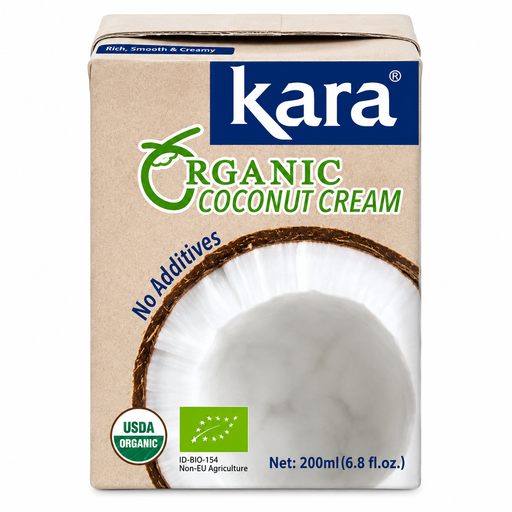
- What sets it apart: This version stands out for its organic certification and its ultra-clean ingredient list: 90% organic coconut extract and water, with no stabilisers.
- Highlights:
- Certified organic, a mark of quality for health-conscious consumers.
- Minimalist ingredient list for a pure, intense coconut flavour.
- High fat content of 24% for a guaranteed rich texture.
- Who is it for? The perfect choice for fans of organic coconut cream who prefer products with the simplest possible ingredients, without compromising on creaminess.
Chaokoh Coconut Cream 22%
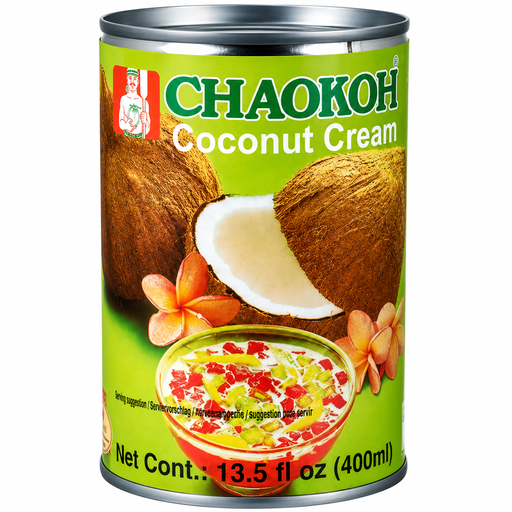
- Its strong point: A generous 400 ml size makes it the perfect pantry staple. Its 22% fat content makes it highly versatile, equally at home in a coconut cream dessert as it is in savoury cooking.
- Highlights:
- Economical size, suitable for family meals.
- Creamy and well-balanced texture.
- Holds up excellently in cooking, perfect for curries and soups.
- Who is it for? For frequent cooks who use a lot of coconut cream and are looking for a versatile, economical product for their everyday recipes.
Want to Explore Other Options?
Our selection focuses on reliable and versatile options. However, the world of plant-based alternatives is vast, and your needs might be more specific. If you want to explore other textures, sizes, or brands, feel free to browse our full catalogue.
? Discover our complete range of Milk & Nut Creams to find the product that perfectly matches your needs.
Frequently Asked Questions About Coconut Cream
Can you substitute coconut cream for heavy cream?
Absolutely! It's an excellent plant-based alternative to dairy cream, especially for those on a vegan diet or who are lactose intolerant. For a similar texture, choose a coconut cream with at least 20% fat. Just keep in mind that it will add its delicious coconut flavour to your dish.
How do you use coconut cream in cooking?
Its uses are incredibly versatile.
- In savoury dishes: It's the base for many Asian dishes, starting with coconut cream for curry. It softens vegetable soups (like pumpkin or carrot), enriches pasta sauces, and beautifully coats chicken and fish.
- In sweet dishes: It works magic as a coconut cream for dessert. Think custards, panna cotta, chocolate mousse, homemade ice cream, or simply to add incredible moistness to a cake.
How do you get thick coconut cream for whipped cream?
To make a successful vegan whipped cream, the secret is the cold. Choose a cream with a high fat content (at least 22-24%). Place the carton or can in the refrigerator for at least 12 hours without shaking it. The cold will solidify the fat, separating it from the water. Carefully open the container, scoop out only the solid, thick part that has formed on top, and then whip it just like classic cream, adding a little powdered sugar for extra sweetness if you like.


