Who are these options for?

Parents who want to avoid added sugar

You’d rather decide how much cocoa goes into your morning drink. E.Leclerc’s listings for Equador Pur Cacao Non Sucré and Bio Village 100 % cacao maigre sans sucres feature recipes focused on cocoa; still, check the exact product and any other ingredients in your drink.

Parents who prefer a mix that’s already sweetened

You’re looking for a ready-to-use mix, while comparing its sugar content with other powders. Banania, Poulain and Nesquik’s ‘lower sugars’ products shouldn’t be mistaken for unsweetened cocoa.

Households mindful of ingredients and allergens

The deciding factor is the ingredients in the exact product, not just its sugar content. Carrefour, Auchan and Banania listings mention ingredients or warnings relating to oats, soya, milk or wheat, depending on the recipe.

What should you check at breakfast?

To choose between unsweetened cocoa and a ‘lower sugars’ mix, first decide whether you want to avoid added sugar or stick with a recipe that’s already sweetened. Then check the ingredients in the product you plan to serve.

What matters to you What to check Who is it for?
Added sugar Check the ingredients and the ‘of which sugars’ line per 100 g. If your aim is to reduce sugar in the drink, check the liquid you add too. If I want to make my own morning drink, I’m looking for a powder that doesn’t rely on added sugar; around 36% of consumers would put this need first.
Quick preparation Compare the sugar content per 100 g and the portion you plan to serve for ‘lower sugars’ recipes. When mornings are busy, keeping a mix that’s already sweetened while trying to cut down on sugar may matter more; around 29% of consumers would make this their priority.
Ingredients and allergens Check the ingredients and any ‘may contain’ warnings on the packaging of the exact product. If an ingredient is a problem in your household, making sure each recipe is suitable comes before taste or sugar content; around 21% of consumers would put this first.
Pack size Compare the pack weight with how often you’ll use it, especially if you’re trying a different recipe. Before switching to unsweetened cocoa for breakfast, I’d rather choose a pack size my household can use; around 14% of consumers would prioritise this.

Common misconceptions to avoid

  • Assuming ‘lower sugars’ means ‘sugar-free’

    A claim that a product contains less sugar than another recipe doesn’t mean the powder is sugar-free. For example, Carrefour’s listing for Poulain Grand Arôme Moins de Sucres puts sugar first in the ingredients list.

    If you want to avoid added sugar, compare the ingredients lists with those of unsweetened cocoas, then check the nutritional information for the product you choose.

  • Thinking Nutri-Score is compulsory

    Santé publique France explains that producers display it voluntarily. Its presence doesn’t mean you can skip checking the sugars, ingredients and allergens.

    If it appears on several comparable products, use it as additional information rather than your only deciding factor.

  • Confusing the powder with the prepared drink

    Nutritional information per 100 g of powder doesn’t tell you everything about what’s in your cup. Milk or a plant-based drink, as well as anything else you add, affects its contents too.

    If you’re concerned about the drink you serve, look separately at the powder, the portion you use and what you mix it with.

Brands to consider

Nesquik

The range includes a ‘lower sugars’ mix for households who want to stick with a ready-made cocoa recipe.

  • Auchan’s listing for this product states that it contains 28% cocoa and includes maize fibre.
  • It also lists sugars and oat flour. If these ingredients matter to your household, check the label on the product you buy.

Poulain

Grand Arôme Moins de Sucres is a cocoa mix, not pure unsweetened cocoa.

  • This option lets you consider a ready-made recipe rather than measuring out pure cocoa yourself.
  • On Carrefour’s listing, sugar is the first ingredient. Check the allergen information for the exact product too.

Banania

The brand offers a lower-sugar version as well as an Original recipe; neither should be confused with unsweetened cocoa.

  • Banania says its lower-sugar version contains 36% less sugar than family cocoa powders on the market. This is a comparison made by the brand, not a claim that the product contains no sugar.
  • Banania states that its Original recipe contains 69 g of sugars per 100 g. Check the nutritional information and ingredients for the specific version you’re interested in.

Auchan

The retailer lists a ‘100% pure unsweetened cocoa’ product to consider if you want to make up your own drink.

  • This description distinguishes pure cocoa from ‘lower sugars’ mixes.
  • Read the ingredients and nutritional information on the product listing or packaging before choosing.

E.Leclerc / Marque Repère

E.Leclerc’s listings include Equador Pur Cacao Non Sucré and Bio Village 100 % cacao maigre sans sucres for households who prefer to decide how much cocoa to use.

  • The Equador listing lists cocoa powder and an acidity regulator; the Bio Village one describes cocoa powder with some of the cocoa butter removed.
  • The drink you serve also depends on the liquid and any other ingredients you add.

Cocoa powder on Joybuy

This cocoa powder is for households who want to decide for themselves what goes into their morning drink. If you’re looking for a product with no added sugar, check the ingredients before choosing it.
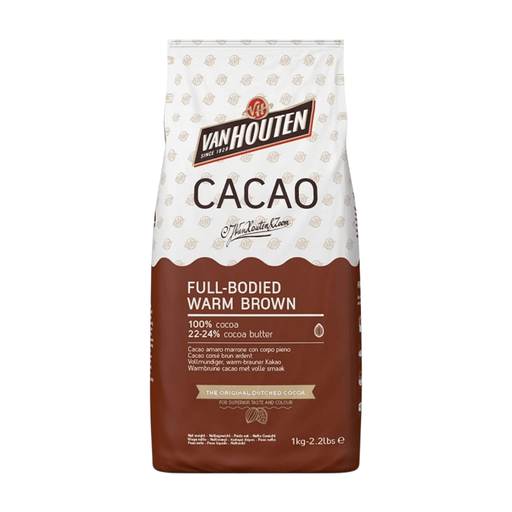
VAN HOUTEN VH1F cocoa powder, 14.7%, 1 kg

VAN HOUTEN VH1F, cocoa powder 14.7%, 1 kg

If you want to make a cocoa drink and decide how much powder to use, check the ingredients and the ‘of which sugars’ line if you’re looking to avoid added sugar. The listed pack size is 1 kg; check the allergen information on the packaging for this product too.

View on Joybuy

Frequently asked questions

Is a ‘lower sugars’ powder sugar-free?

No. The term indicates a relative reduction, not an absence of sugar. Carrefour’s listing for Poulain Grand Arôme Moins de Sucres names sugar as the first ingredient; check the ingredients and the ‘of which sugars’ line for each product.

Does unsweetened cocoa make a sugar-free drink?

Not necessarily. Unsweetened powder lets you choose what to add to your recipe, but what’s in the cup also depends on the milk or plant-based drink you use and any other ingredients.

Does the tax on sugary drinks apply to dry chocolate powder?

Article 1613 ter of the French General Tax Code, published by Légifrance, applies to drinks and liquid preparations for drinks intended for human consumption; dry powder doesn’t fit this description. When choosing between two powders, check their ingredients rather than using this tax to infer their sugar content.

Is Nutri-Score compulsory on these products in France?

No. Santé publique France says producers can display it voluntarily. If it appears on a product, it complements the nutritional information, ingredients and allergen details; it doesn’t replace them.

What should you check if someone in your household needs to avoid an allergen?

At the time of purchase, check the ingredients and any ‘may contain’ warnings on the packaging of the exact product. Carrefour, Auchan and Banania listings show that this information varies between recipes, so the brand name alone isn’t enough.