
Livraison le jour même ou le lendemain

Qualité garantie

Débloquez vos offres de bienvenue: Livraison GRATUITE | Jusqu'à -80 % | 30 jours d'essai gratuits à JoyPlus
Téléchargez l'application
A ready-to-drink cocktail makes organising an aperitif, a meal or a get-together with friends so much easier. You generally just need to serve it well chilled, with or without ice. However, the experience can vary enormously from one product to the next: alcohol content, sugar level, format, ingredients and preparation method all play a part.
Before you order cocktails and ready-to-drink alcoholic beverages, take a moment to steer clear of three common pitfalls.
A can at 3% ABV contains less alcohol than a drink at 9% or a punch at 18% ABV, but it is still alcoholic. The percentage shown on the label should therefore help you gauge the serving size and pace of consumption.
Japanese drinks, such as certain Suntory premixes, often focus on a light, fruity profile. In contrast, a rhum arrangé or a Caribbean punch typically has a much higher alcohol content.
Descriptions like "fruity", "tropical" or "refreshing" don't always give you a true idea of what you'll get in the glass. A drink may contain juices, flavourings, sugar, milk or spice extracts. Always check the ingredients list to spot the possible presence of milk, peanuts, sulphites or other allergens.
A fruit wine with plum notes, for example, is not directly comparable to a bitter Italian aperitif or a cocktail liqueur.
A 250 to 350 ml can is ideal for individual consumption. A 70 cl bottle is better suited for serving over ice or making several drinks. Once opened, some products need to be kept in the fridge and consumed quickly. Recipes containing coconut milk or dairy products require particular attention.
The alcohol by volume percentage, shown as "% vol.", is your first point of reference.
Always respect the legal drinking age in France and the recommendations on the packaging. Alcoholic drinks are not recommended during pregnancy and should be consumed in moderation.
For an instant solution, choose a ready-to-pour drink or a pre-mixed can. If you prefer to make a cocktail at home, a Piña Colada premix, an Italian aperitif or a cocktail liqueur will give you more freedom.
The GOYA Piña Colada Mix, for example, combines concentrated pineapple juice and coconut milk. Mixed with rum, it lets you prepare a Piña Colada; with sparkling water, it can serve as a base for a non-alcoholic version. The GRANINI Piña Colada Fruit Drink with Coconut Milk also offers a pineapple-coconut base, but in a one-litre bottle, handy for serving several glasses.
To compare two products, check:
A non-alcoholic spritz like Crodino can be a great addition to an aperitif when some guests don't want alcohol. Still, do check the exact product labelling when it arrives.
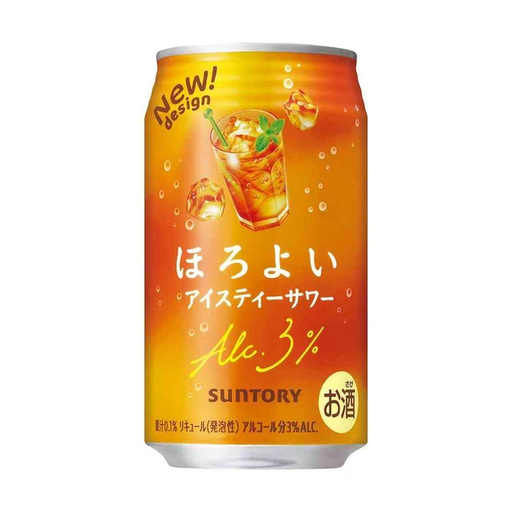
Why this choice suits this profile: Its individual 350 ml format and 3% ABV make it a simple option for discovering this type of drink, served well chilled or over ice.
The alcohol content and volume are clearly stated on the product page, making it easy to compare with stronger drinks.
A Japanese iced tea drink, ready to serve, in a practical format with the fruity profile promised by the manufacturer.
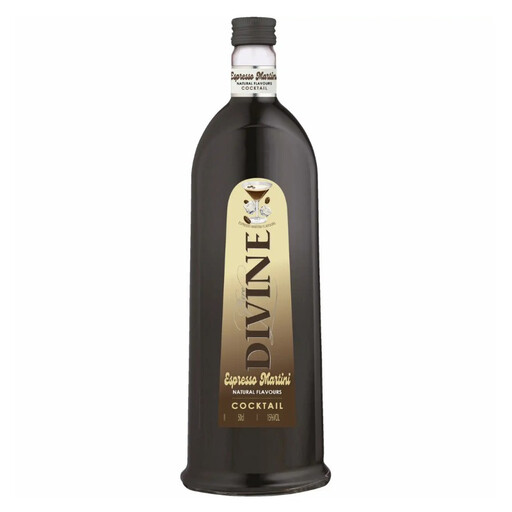
Why this choice suits this profile: This coffee liqueur at 15% ABV is aimed at lovers of dessert-style drinks, to be served chilled or used in a recipe.
The product page specifies the type of liqueur, the 50 cl volume and the alcohol content – impossible to mistake it for a simple flavoured drink.
Promised notes of roasted coffee, cocoa, vanilla and caramel, with storage away from light recommended.
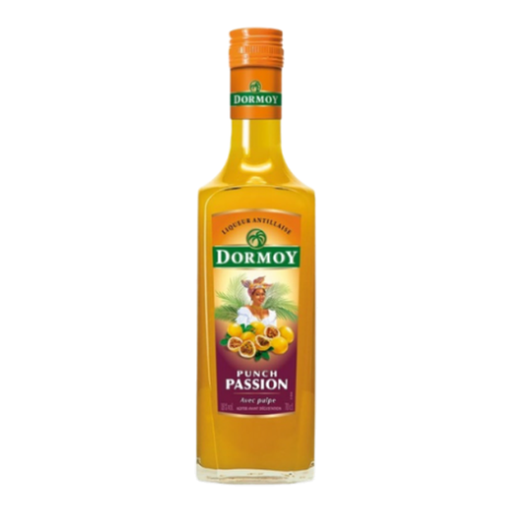
Why this choice suits this profile: Its 70 cl bottle is suitable for serving multiple portions, over ice or as a base for a fruity cocktail.
The 18% ABV is clearly displayed – it prevents you from mistaking this concentrated punch for a light ready-to-drink beverage.
A base made from agricultural rum, cane alcohol and passion fruit; no allergens are listed on the provided product sheet.
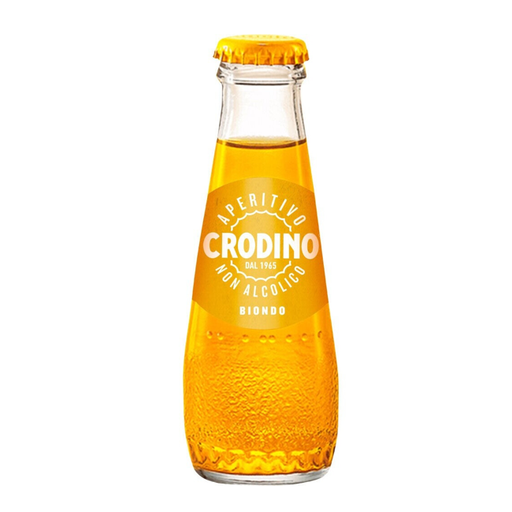
Why this choice suits this profile: It lets you prepare a non-alcoholic Italian aperitif with ice and a slice of orange, especially when some guests are looking for an alternative to alcoholic drinks.
The "Non-Alcoholic" label clearly distinguishes this product from a spritz made with an alcoholic aperitif.
A 17.5 cl format, a promised bittersweet profile and very simple serving with ice and a slice of orange.
We have put together a comprehensive, real-time updated list of products that meet these strict selection criteria as well as European safety regulations.
Most are best enjoyed well chilled, straight from the can or in a glass filled with ice. Creamy punches and tropical bases may need a gentle stir before serving. Always check the label, especially for products containing milk or coconut milk.
The shelf life depends on the recipe. Put the bottle back in the fridge if the packaging recommends it, and consume it quickly after opening. A drink containing dairy ingredients, juices or fruit purées needs extra care.
An alcoholic cocktail contains ethanol, the amount of which is shown as a percentage by volume. A non-alcoholic drink, like some ready-to-serve spritzes, offers a similar experience without that alcohol content. To avoid any confusion, check the legal name and ingredients on the label before you buy.