
Livraison le jour même ou le lendemain

Qualité garantie

Débloquez vos offres de bienvenue: Livraison GRATUITE | Jusqu'à -80 % | 30 jours d'essai gratuits à JoyPlus
Téléchargez l'application
Coated peanuts are loved for their original seasonings, crunchy texture and convenient formats. But not every option suits every occasion. Whether it’s a spicy peanut that lacks punch, an overly sweet coating, or a bag that’s awkward to share, disappointment can quickly creep into your aperitif.
Before you reach for an Asian snack, wasabi peanuts or a BBQ recipe, a few checks will help you compare the products available in the UK more effectively.
A label that says ‘wasabi’, ‘chilli’ or ‘coconut’ doesn’t necessarily mean that ingredient is present in any significant amount. It could be just a flavouring or a blend of spices. For example, the Golden Turtle Wasabi product contains 0.3% wasabi powder, while the Koh-Kae Nori Wasabi version combines a wasabi seasoning with 1% seaweed.
The ingredients list is far more telling than the picture on the packet. It lets you tell the difference between a mostly salty recipe and one that’s genuinely spicy, smoky or sweet.
Coated peanuts often contain much more than just nuts: wheat flour, gluten, soya, mustard, sesame or crustaceans, depending on the recipe. Anyone with allergies should read the full label, including the ‘may contain traces of’ statement.
Recipes with chicken or prawn flavouring need extra care. Behind a simple flavouring, there may be hidden ingredients or additional allergens, such as soya, mustard or prawns in some products.
A large bag is handy for sharing, but its contents can lose their crunch after opening if not sealed properly. On the other hand, a 70–110 g format slips easily into a bag, but quickly runs out when you’re entertaining several people.
So the weight should match your intended use: on-the-go snacking, a break at work, a get-together with friends, or part of a selection of roasted and salted peanuts.
The higher the proportion of peanuts, the more the nutty flavour comes through. Conversely, a thick coating emphasises the taste of flour, sugar or seasoning. The recipes in this selection show peanut proportions ranging from 50% to 65%.
The coating can be made with wheat flour, glutinous rice flour, starch or cornflour. These ingredients directly affect the density and crunch. For a less thick texture, seasoned roasted peanuts without a coating can be a great alternative.
Nutritional values are usually given per 100 g. In the products shown, the energy content ranges roughly from 393 to 615 kcal per 100 g, with very different levels of fat, sugar and salt. These figures let you compare recipes without turning the product into a ‘health’ food.
After opening, store the bag in a cool, dry place away from light. Some products recommend eating them quickly or putting them in the fridge once opened. Also remember to check the best-before date on the packaging.
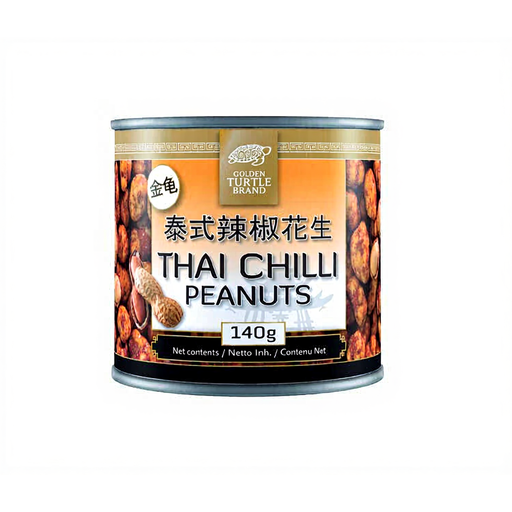
Why this choice suits this profile: At 140 g, this bag lets you try chilli peanuts without committing to a large size. The recipe combines chilli, pepper, onion and soya sauce.
The ingredients list mentions 0.4% chilli powder and clearly states the presence of gluten, peanuts and soya among the allergens.
A mid-sized format, 480 kcal and 14 g of sugar per 100 g, according to the information provided.
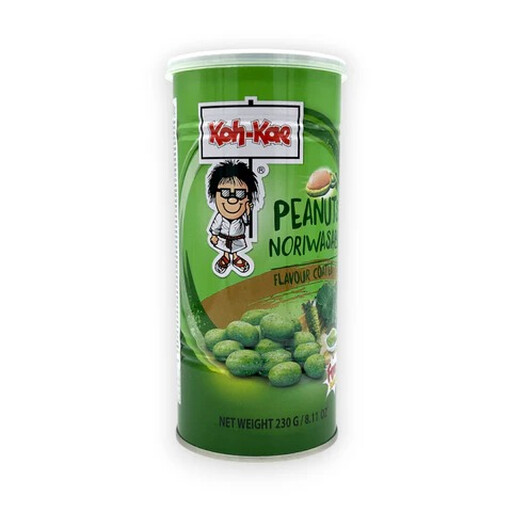
Why this choice suits this profile: Its 230 g size and wasabi-nori duo fit well into a more elaborate aperitif, offering several textures and a strong Asian signature.
The product page clearly lists peanuts, flour, wasabi seasoning and seaweed. The allergens peanuts, wheat and gluten are clearly stated.
A 230 g format, nori seaweed and 530 kcal per 100 g according to the labelling provided.
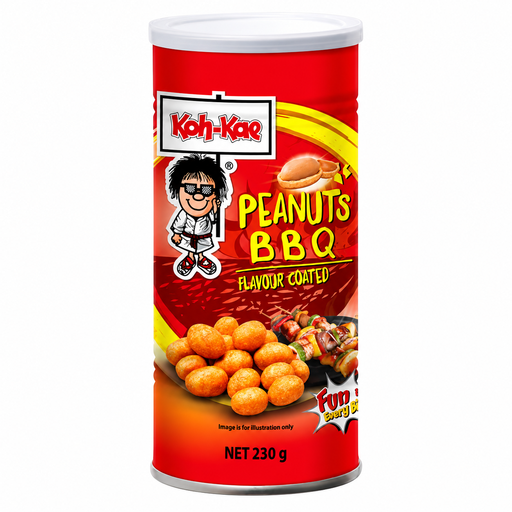
Why this choice suits this profile: At 230 g, this bag is ideal for gatherings, parties and regular aperitifs. Its BBQ flavour pairs easily with cold drinks and other savoury snacks.
The ingredients list details the BBQ seasoning, as well as the presence of soya and wheat, rather than just relying on a marketing name.
A family-sized format, 530 kcal and 1.5 g of salt per 100 g according to the available data.
For a milder taste, Koh-Kae coconut peanuts are available in 110 g and 230 g sizes. Their coating combines peanuts, coconut cream, sugar and salt. Those who prefer bolder flavours can turn to Thai Mix Spicy peanuts, HOT CHIP chilli peanuts or the Korean spicy chicken version.
Seaweed recipes, such as wasabi nori peanuts, are aimed at those looking for a more pronounced umami dimension. For a product made in France, BENENUTS seasoned peanuts come in a 120 g format with a recipe based on peanuts, salt, rice flour and spices.
We’ve put together a complete, real-time updated list of products that meet these strict selection criteria and European safety regulations.
It depends on the recipe and the manufacturer’s instructions. Seal the bag carefully and store it in a dry place at room temperature, unless stated otherwise. Some products recommend eating them within a few days of opening.
No, but many recipes use wheat flour or a preparation that contains gluten. Always check the allergen list before buying, especially for wasabi, BBQ, chilli or chicken versions.
A BBQ or coconut recipe usually offers a milder, more approachable profile. Thai Mix spicy peanuts, chilli or wasabi varieties are better suited to those who enjoy a kick of heat and bold seasonings.