
Livraison le jour même ou le lendemain

Qualité garantie

Débloquez vos offres de bienvenue: Livraison GRATUITE | Jusqu'à -80 % | 30 jours d'essai gratuits à JoyPlus
Téléchargez l'application
A climbing plant trellis net helps you make the most of vertical space, even in a small vegetable garden or on a balcony. Tomatoes, beans, peas and cucumbers can grow upwards, while the fruit stays off the ground. However, you need to choose a support that can keep up with plant growth, suit the layout of your space and be durable enough for the intended use.
Some listings highlight a generous length without clearly specifying the height, mesh size or the net’s dimensions once stretched. A 10-metre-long model will not necessarily be suitable for a tall structure, while a 20-metre roll may be difficult to install on a small balcony.
Before ordering, measure:
A net intended for tomatoes, beans or cucumbers must remain stable as the stems develop and fruit appears. The strength stated by the manufacturer is not the only consideration: the quality of the fixings, the tension of the net and the rigidity of the posts are just as important.
A lightweight net installed between two fragile supports may sag under the weight of the plants. For a heavy crop, make sure you use sturdy enough posts and several anchoring points.
Wood may require regular maintenance, while untreated metal can rust quickly. A polypropylene or polyethylene net is generally lighter and easier to handle, but check the manufacturer’s recommendations regarding exposure to sunlight, moisture and storage.
Also be wary of vague descriptions such as ‘ultra-strong’ when they are not accompanied by any details about the dimensions, material or installation method.
The height of a vegetable garden trellis depends on the plant being grown and how it is trained. Beans and cucumbers often need a vertical support that is tall enough to accommodate their growth. For decorative plants such as jasmine, ivy or climbing roses, the appearance and rigidity of the support should also be taken into account.
The mesh should be large enough for the stems to grip onto it or be guided using soft ties. If this information is not provided, examine the photos and product details carefully before placing your order.
Polypropylene (PP) is lightweight, does not rust and can easily be attached to posts, a fence or a greenhouse structure. Some nets also feature UV protection. However, bear in mind that a feature highlighted by the manufacturer does not necessarily guarantee a particular service life.
For a metal garden trellis, check the surface treatment, protection against the elements and whether the feet can be securely anchored in the ground.
A good vertical support should be easy to install, but simply placing the net against a wall is not enough. Tension it without distorting the mesh, secure it at several points and check the fastenings after the first few days of growth.
At the end of the season:
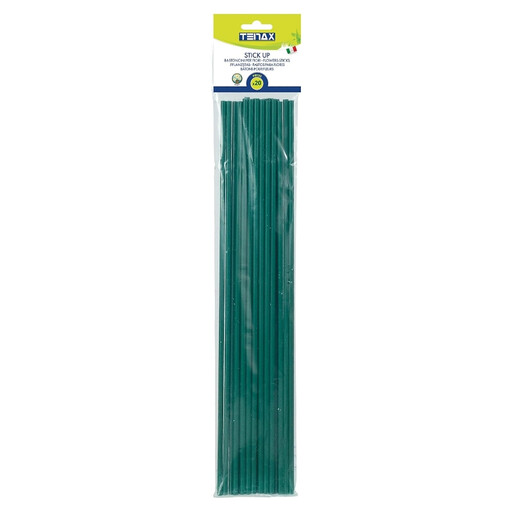
Why this choice suits this profile : This pack is suitable for young plants, window boxes and balcony crops that do not need a large climbing net.
The 20 supports allow you to distribute the points of support instead of relying on one unstable stake. At 60 cm high, however, this model is only suitable for smaller plants.
A compact format, plastic construction and a pointed end for easy insertion into compost or soil.
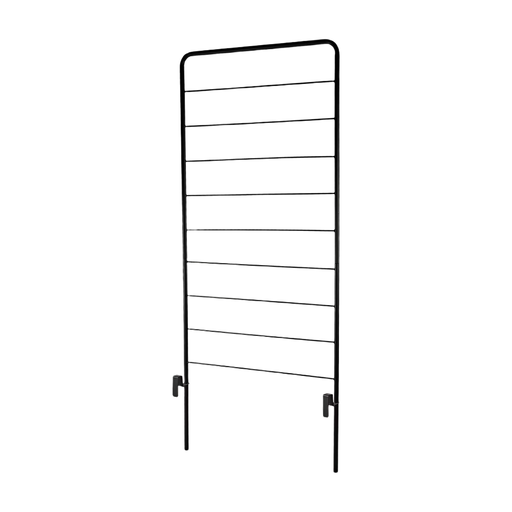
Why this choice suits this profile : Its graphite finish and mesh pattern fit easily into a garden looking for a decorative support for jasmine, ivy or climbing roses.
Its feet can be pushed into the ground, or the trellis can be secured against a wall. Anchoring is still essential to prevent it from tipping over in the wind or under the weight of the foliage.
A height of 163 cm, a treated metal structure and the option to use it as a garden screen or visual divider.
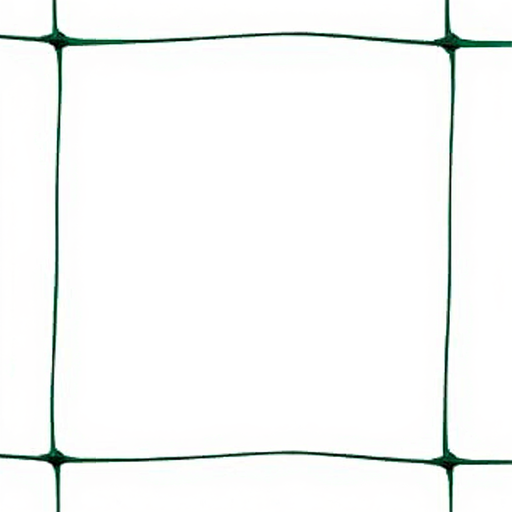
Why this choice suits this profile : The double roll is suitable for long vegetable garden rows, greenhouses or several growing areas that need a support net for beans and cucumbers.
The length available reduces the risk of running out of material during installation. However, the net must be secured to a framework capable of supporting the weight of the crops.
Two 20 m nets, a discreet green colour and the option to install them on posts, frames or fences.
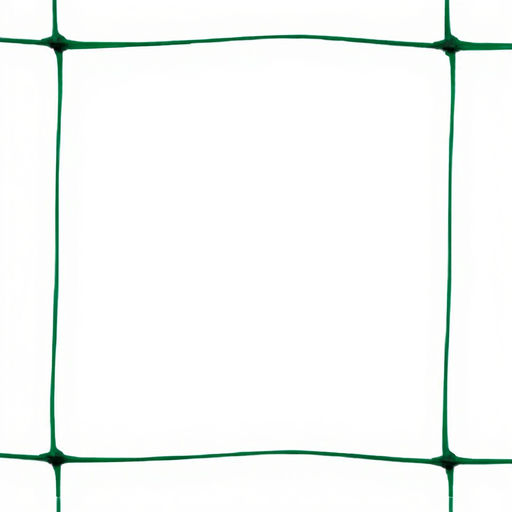
Why this choice suits this profile : At 1.70 m high, this net provides vertical support for a row of tomatoes, peas, beans or cucumbers, either in the garden or in a greenhouse.
The dimensions are given when the net is stretched, making it easier to plan where to install it. However, the fixing points must be close enough together to prevent it from sagging.
Polypropylene construction, a green colour, the option to cut it to suit your layout and reusable storage after the season.
Start by positioning the posts at regular intervals, then secure the top of the net. Gradually tension the sides and bottom without pulling so hard that the mesh becomes distorted. For tomatoes, guide the stems with soft ties that will not constrict them. Cucumbers, peas and beans can often attach themselves directly to the trellis.
On a balcony, check that the supports for potted plants are pushed firmly enough into the soil and that the container will not tip over when the foliage becomes more substantial. In a greenhouse, leave enough room to move around and access the fruit easily.
Secure it to posts, a frame, fence or greenhouse structure using suitable fastenings. The tension should be even, without overstretching the material. If the plants produce a lot of foliage or fruit, reinforce the anchoring points.
It depends on the variety being grown and the training method. A 1.50 to 1.70 m model is suitable for many garden installations, while a small balcony may require shorter supports. Measure the available space before making your choice.
Yes, some models can be removed, cleaned and stored after harvesting. However, their lifespan depends on exposure to sunlight, the tension applied, friction and the weight they support. Inspect the mesh and fastenings before each new installation.