
Livraison le jour même ou le lendemain

Qualité garantie

Débloquez vos offres de bienvenue: Livraison GRATUITE | Jusqu'à -80 % | 30 jours d'essai gratuits à JoyPlus
Téléchargez l'application
A climbing plant net helps save ground space and keep the vegetable garden organised—provided you choose a model suited to the weight of your crops and the layout of your garden. Tomatoes, beans, peas, cucumbers and climbing flowers do not all have the same requirements when it comes to height, tension or mesh width.
Before buying, three common pitfalls are worth avoiding:
Start by measuring the available space. For a row of vegetables, a 10-metre length will generally suit a family vegetable garden. A 20-metre roll, on the other hand, can cover several rows, a greenhouse or a large fence.
The height depends on the plant:
Also check whether the stated dimensions refer to the net when relaxed or stretched. The difference can significantly affect the actual area covered.
A tomato support net must remain stable as stems and fruit become heavier. Polypropylene and polyethylene are commonly used for their light weight and flexibility. For outdoor use, UV treatment or stabilisation is a significant advantage.
A reusable, rust-proof plastic net cannot corrode, but that does not make it indestructible. Avoid overloading it, allowing it to rub against sharp edges or leaving it near a heat source. To extend its service life, remove dry stems after harvesting, gently clean the mesh and store it in a dry place.
A sufficiently open mesh allows air to circulate and light to pass through, while giving stems plenty of points to grip. Wider mesh openings also make harvesting easier and simplify the removal of plants at the end of the season.
For a vegetable support net, make sure you have:
The net must never be used as a load-bearing structure for a person. Wear gloves when installing it and avoid overstretching, particularly if you are using a lightweight model.
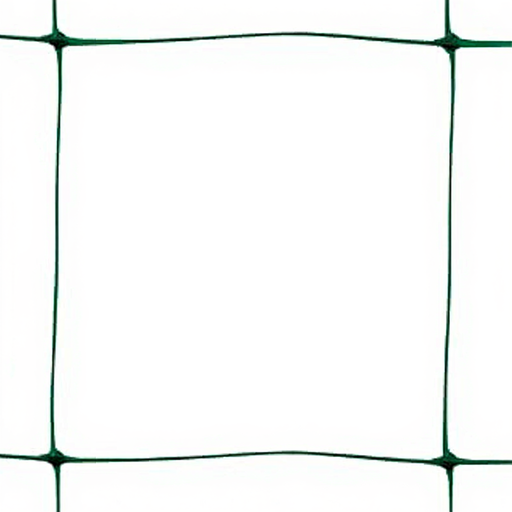
Why it suits this profile : Measuring 1.5 × 10 m, it is well suited to a family vegetable garden, a small greenhouse or a few plants growing along a fence. Its lightweight design makes it easy to handle and install.
The dimensions are clearly stated, so you will not end up with a roll that is disproportionate to the area you need to cover.
Rectangular format, stated weight of 0.1 kg and flexible material suited to garden supports.
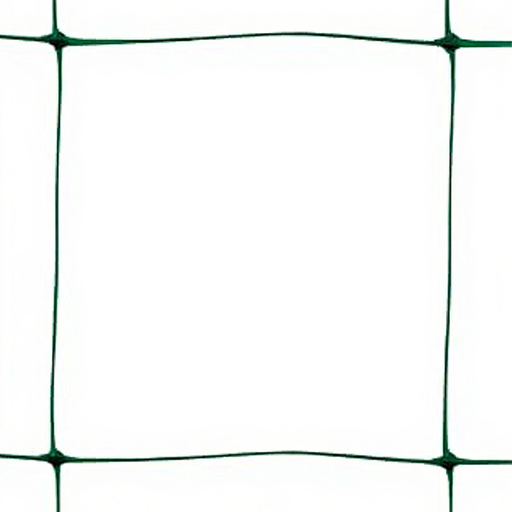
Why it suits this profile : With two 2 × 20 m rolls, this option is designed for gardeners setting up several rows, a greenhouse or a large plot, while looking for a solution they can keep from one season to the next.
Its generous length reduces the number of joins and makes it easier to create a continuous installation, which is often more stable than assembling several short sections.
Polypropylene construction, open mesh, stated tear resistance and no corrosion thanks to the plastic material.
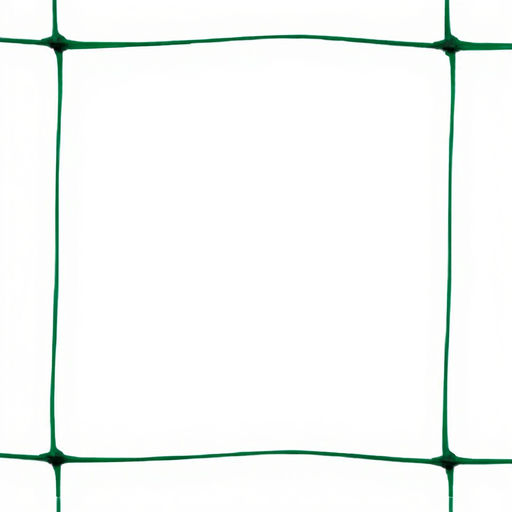
Why it suits this profile : At 1.70 m high, it is suitable for vertical crops of tomatoes, peas, beans and cucumbers, whether in the vegetable garden or under glass.
The instructions specify that it must be securely fixed and advise against overloading it. This makes it easier to size the support structure correctly and avoid unpleasant surprises.
Polypropylene netting that can be cut to suit your layout, presented as resistant to weather and rust.
We have put together a comprehensive, real-time updated selection of products that meet these demanding criteria as well as European safety standards.
Install the vertical growing net before the plants become too large. Begin by securing the stakes or frame, then attach the mesh without distorting it. For tomatoes, gradually guide the stems through the openings. Beans and peas will generally climb on their own, while cucumbers may need a few flexible ties.
A plastic garden trellis can be installed vertically between two posts or horizontally to support climbing flowers. At the end of the season, remove plant debris without pulling sharply on the mesh. Storing it away from moisture and rodents will help preserve the material.
For a tomato net or a bean and cucumber support net, choose a height suited to the variety you are growing, an open mesh and secure fixing. Models measuring 1.7 to 2 m are suitable for many vegetable garden installations, provided they are attached to a sufficiently stable support.
Tension it between stakes, along a fence or inside a greenhouse frame. Position ties at regular intervals and reinforce the centre on longer sections. The net should remain firm without being overstretched.
Its service life depends on the material, exposure to sunlight, crop weight and winter storage conditions. A UV-stabilised plastic net can last for several seasons if you avoid overloading it, remove the vegetation after harvesting and store it in a dry place.