
Livraison le jour même ou le lendemain

Qualité garantie

Débloquez vos offres de bienvenue: Livraison GRATUITE | Jusqu'à -80 % | 30 jours d'essai gratuits à JoyPlus
Téléchargez l'application
Growing tomatoes, beans, cucumbers or other climbing plants on a balcony, in a vegetable garden or in a greenhouse can help you make the most of your space. However, you need to choose gardening accessories for climbing plants that suit your setup.
Some purchases disappoint after just a few weeks: a net that is too short, mesh that loses its shape under the weight of the harvest, stakes that come out of the ground or an outdoor plant pot that cracks in freezing weather. Claims such as “durable” or “all-season” should therefore be considered alongside specific product features.
A 2 x 20 m trellis net may seem oversized for a small vegetable garden. However, its length is distributed according to the layout you choose: vertical installation, several rows or horizontal support. Conversely, a 1.5 x 10 m plant net may suit a fence or a small structure, but prove too short for a long row of beans.
Before ordering, measure the width, height and depth of the support. Also allow a few extra centimetres for fastening and slight tension.
Lightweight plastic is not necessarily designed for prolonged exposure to sunlight. For a net installed in the garden, look for the wording UV-stabilised and check the stated mechanical strength. For stakes, the diameter, length and presence of a coating are often more informative than a simple promise of durability.
A pot placed on a balcony must be able to drain rainwater. Conversely, a model used indoors or in a sheltered area may need to retain water. A pot with a removable plug allows you to change this setting without replacing the container.
For outdoor use in France, also consider resistance to frost and UV rays. A suitable container reduces the risk of damage caused by alternating rain, sunlight and low temperatures.
Vertical support in the vegetable garden is suitable for crops that grow quickly and frees up ground space. The net must be high enough to support the plants as they grow, while its width should match the row or planting frame.
Wide mesh generally makes it easier to guide stems through and harvest the crop. For tomatoes and beans, however, check that the structure can be secured at several points to prevent the net from sagging in the middle.
Polyethylene and polypropylene are commonly used for gardening nets. Their benefits depend on the product design, its UV stability and how the net is tensioned. A material that does not rust may be more practical than some metal supports, but the net should still be stored under cover when it is no longer in use.
For stakes for greenhouse tunnels, choose a length that is sufficient to ensure firm anchoring in the ground. A side hook can make it easier to secure a cover or protective net. Anchoring stakes for covers should be selected according to the type of soil and the tension created by the wind.
Wear gloves when installing a net to reduce the risk of scratches. Also avoid over-tensioning it: excessive tension can deform the mesh and place unnecessary strain on the anchor points.
At the end of the season, remove stems and plant debris, leave the net to dry, then store it in a dry, well-ventilated place. This simple routine supports sustainable gardening by encouraging reuse and reducing the need for replacements.
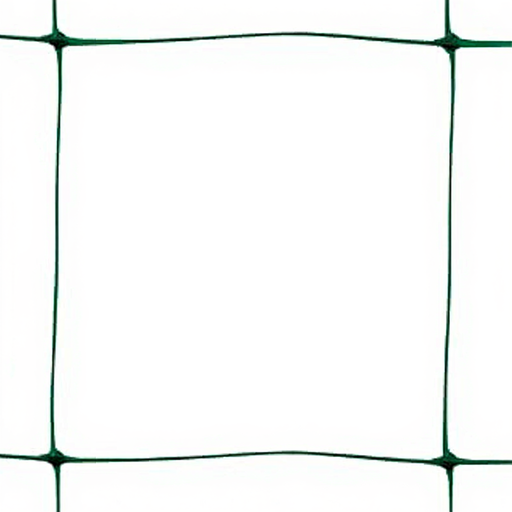
Why this choice suits this profile: Its 1.5 x 10 m format is suitable for small gardens, family vegetable patches and certain balcony installations.
The dimensions are clearly stated, making it easier to compare the net with the available space and avoid buying an oversized model.
Lightweight 0.1 kg net made from polyethylene and polypropylene, which can be secured to posts, fences or frames.
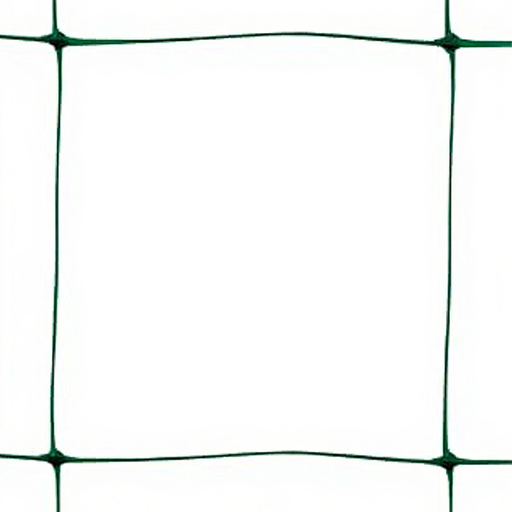
Why this choice suits this profile: Its 2 x 20 m format is designed for large vegetable gardens, multiple rows and installations intended for reuse.
The stated width and length make it possible to plan several fixing points instead of relying on excessive tension.
Polypropylene net described as tear-resistant, suitable for both vertical and horizontal use, and rust-free.
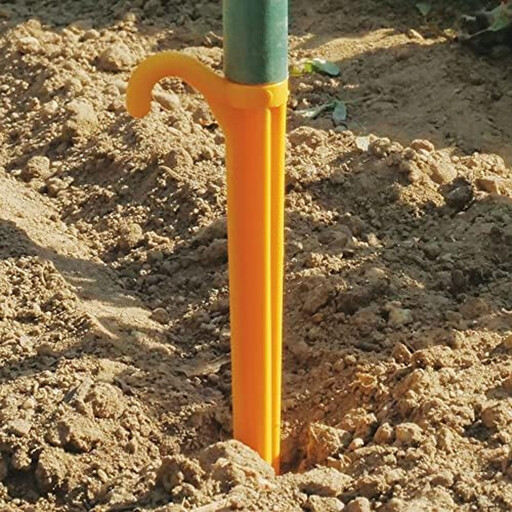
Why this choice suits this profile: This pack is suitable for greenhouses, tunnels, covers and protective nets exposed to outdoor conditions.
The 21 cm length, pointed tip and side hook provide clear, practical guidance for anchoring, unlike vague product descriptions.
3 mm high-carbon steel, UV-stabilised PVC coating, pack of 8 and a stated operating range of −30 °C to +80 °C.
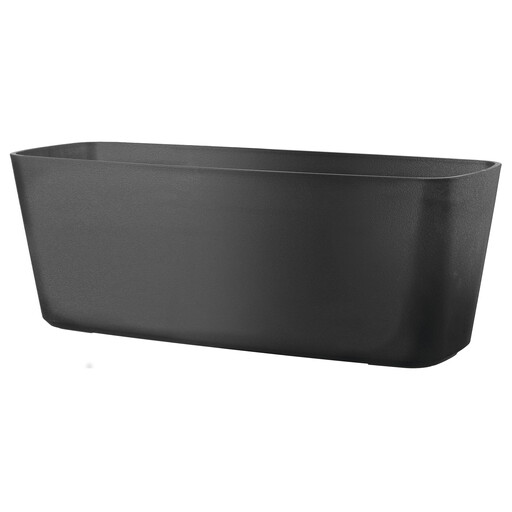
Why this choice suits this profile: This 59 cm container fits easily on a balcony or patio when the climbing plant is grown with a separate support.
The removable plug lets you choose between draining water outdoors and retaining it for indoor use.
Made from recycled and recyclable materials, with stated resistance to frost and UV rays for outdoor use.
We have put together a complete, real-time updated list of products that meet these strict selection criteria and European safety regulations.
Start by securing the net or trellis to a stable structure: stakes, a frame, fence or suitable wall. Leave enough space to guide the stems without compressing them. For a vertical installation, distribute the fastenings across the entire height and width rather than limiting them to the ends.
Its service life depends on exposure to sunlight, the tension applied, the weight of the harvest and how it is stored between seasons. A UV-stabilised net that is properly stored under cover can be reused for longer than a model left outdoors and covered in plant debris. Inspect the mesh and fastenings before each new installation.
The cost depends on the area to be covered and the components required: net, stakes, fastenings and, if necessary, a frame. For a short row, a 1.5 x 10 m net may be sufficient. A larger crop may require a 2 x 20 m net and several anchoring points. Always compare the price per metre covered rather than looking only at the price of the pack.