
Livraison le jour même ou le lendemain

Qualité garantie

Débloquez vos offres de bienvenue: Livraison GRATUITE | Jusqu'à -80 % | 30 jours d'essai gratuits à JoyPlus
Téléchargez l'application
Cleansing wipes aren’t all designed for the same purpose: removing make-up, cleaning a baby’s hands, freshening up without a shower, disinfecting a bathroom, or wiping dust from a floor. A convenient pack isn’t enough to guarantee the product is actually suitable for your intended use.
Three common mistakes crop up time and again when buying:
Here are the criteria to consider when choosing a product that suits your daily routine.
Start by deciding what you need the wipe for:
This distinction helps you avoid unsuitable purchases and reduces the risk of irritation or damage to materials.
For use on skin, read the INCI list and focus on the relevant details: presence or absence of fragrance, alcohol, preservatives, glycerine or other caring agents. A formula labelled as hypoallergenic doesn’t eliminate the risk of an individual reaction: stop using it if you experience redness, itching or discomfort.
Unscented cleansing wipes can suit people who want to limit fragrant substances. For babies, plant fibres or cellulose may be preferable, but “biodegradable” doesn’t mean the wipe can be flushed down the toilet.
The material also affects how comfortable the wipe feels. Plant fibres, cotton or viscose don’t feel the same as a synthetic non-woven fabric. As for biodegradable wipes, they must be disposed of according to local guidelines and the manufacturer’s instructions — usually in the bin, unless explicitly stated otherwise.
Compare the number of wipes, their dimensions and the type of closure. A small pack of 10 to 20 wipes slips easily into a bag, wash bag or desk drawer. At home, a pack of 48 to 72 wipes may be more practical for daily baby care.
A large, no-rinse body wipe covers more surface area and can sometimes reduce the number of wipes you need, particularly for bed baths or after exercise. To keep them moist, close the lid or resealable sticker carefully after each use. The expiry date and batch number should remain legible on the packaging.
For household cleaning, also check whether the wipe is dry, slightly damp or pre-soaked with a disinfectant. A floor wipe shouldn’t be used with an additional product if the instructions advise against it.
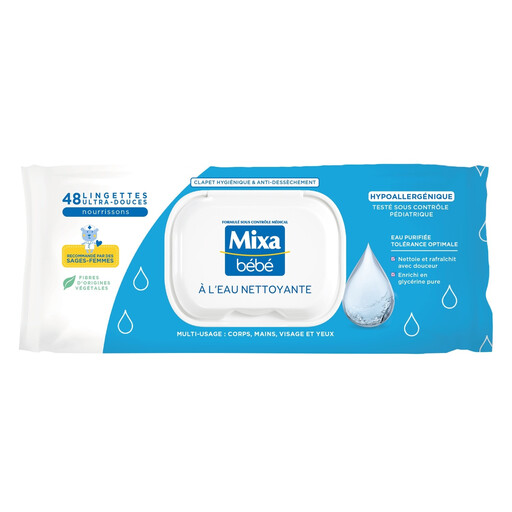
Why this suits this profile: With 48 wipes, this pack is ideal for parents looking for a versatile solution for baby’s face, hands and body, both at home and on the go.
The intended use is clearly stated, and the resealable flap helps prevent the wipes from drying out.
A formula based on purified water and glycerine, FSC-certified plant-based fibres, and a 48-count pack.
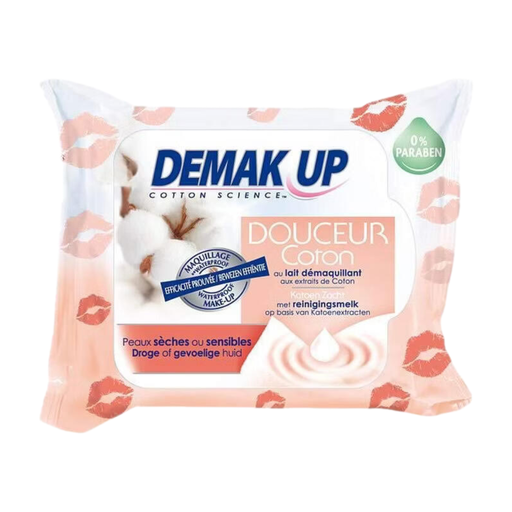
Why this suits this profile: This format is designed for those who want a make-up removing lotion, a pleasant texture, and a product specifically formulated for the face and eyes.
Its make-up removing function is clearly defined, so you won’t accidentally use a surface wipe or baby wipe instead.
A 25-count pack, cotton seed extract, a cleansing milk formula, and dermatologically and ophthalmologically tested claims.
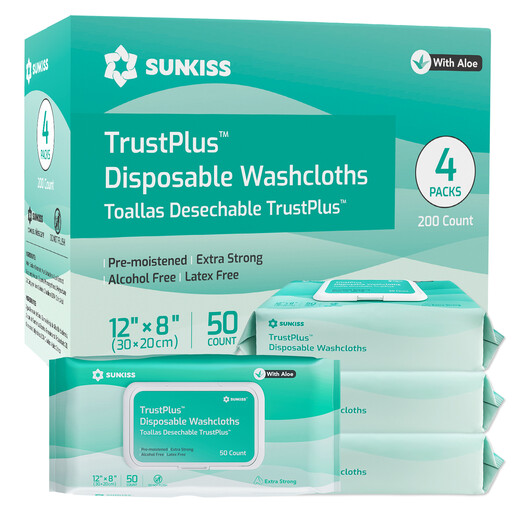
Why this suits this profile: The large pack and 20 × 30 cm size are ideal for frequent body cleansing, no-rinse care and extended travel.
The dimensions are clearly stated, and the fragrance-free, alcohol-free and latex-free formula meets the needs of targeted body cleansing.
200 wipes split across four packs, extra-large dimensions, plus aloe vera and vitamin E as mentioned on the product page.
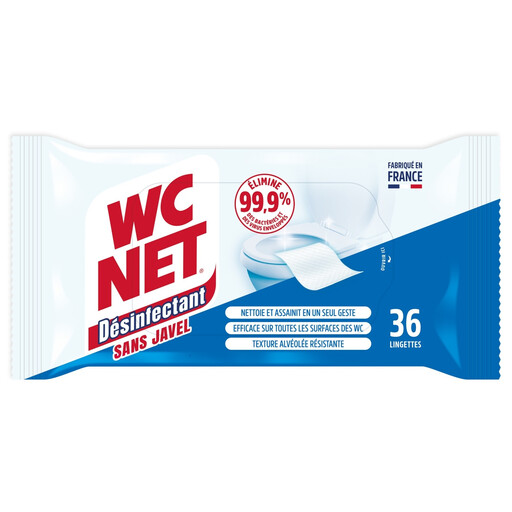
Why this suits this profile: This product is designed for toilets, sinks, showers and baths when you want to clean a surface quickly.
The product page clearly states it’s for sanitary surfaces and advises against applying it to skin.
A bleach-free formula, a textured surface and a 36-count pack. The claim to eliminate 99.9% of bacteria and enveloped viruses should be verified on the product label.
We’ve put together a full selection, updated in real time, of products that meet these demanding criteria and European safety standards.
Yes, as long as the product is intended for the purpose you have in mind and your skin or the surface in question tolerates it. For the face and sensitive areas, choose a suitable formula and stop immediately if you experience any discomfort. However, where possible, wipes don’t replace a proper wash with water.
This depends on the product and its packaging. Check the date on the pack and reseal the lid carefully after each use. A wipe that has dried out, smells unusual or comes from damaged packaging should not be used.
Not necessarily. Biodegradable means the material can break down under certain conditions, but that doesn’t guarantee it’s safe for plumbing. Unless the label explicitly says so, dispose of wipes in the bin.