
Livraison le jour même ou le lendemain

Qualité garantie

Débloquez vos offres de bienvenue: Livraison GRATUITE | Jusqu'à -80 % | 30 jours d'essai gratuits à JoyPlus
Téléchargez l'application
A cleaning brush may seem straightforward to choose. However, a model that is not suited to the task can leave marks, retain moisture or become uncomfortable to use over time. For the home, bathroom, kitchen, car or facial care, requirements can vary considerably.
Before you buy, three common pitfalls are worth bearing in mind:
The right choice therefore depends above all on the intended use, the surface to be cleaned and how easy the brush is to maintain.
For a household cleaning brush, the material should be selected according to the surface:
The words “non-abrasive” do not guarantee that the brush will be suitable for every finish. Before each use, also check that no particles or dirt are trapped in the head.
A grout brush should generally be slim, with a head designed to follow the lines between tiles. A non-slip handle helps you maintain even pressure without placing unnecessary strain on your wrist.
For a bottle brush, the length of the handle is crucial. It should reach the bottom of a water bottle or flask without bending uncontrollably. A small secondary head can also be useful for cleaning necks, caps and drinking spouts.
In the toilet, a flexible head and ventilated holder help water drain away. An adhesive hook can free up floor space, provided it is fitted to a clean, dry and sufficiently smooth surface.
A genuinely practical cleaning accessory should be easy to rinse and store. After each use:
For electric models designed for the face, check the charging type, stated battery life, water-resistance rating specified by the manufacturer and care recommendations. A facial cleansing brush should not be used on irritated skin or with excessive pressure. The manufacturer’s instructions should always be followed.
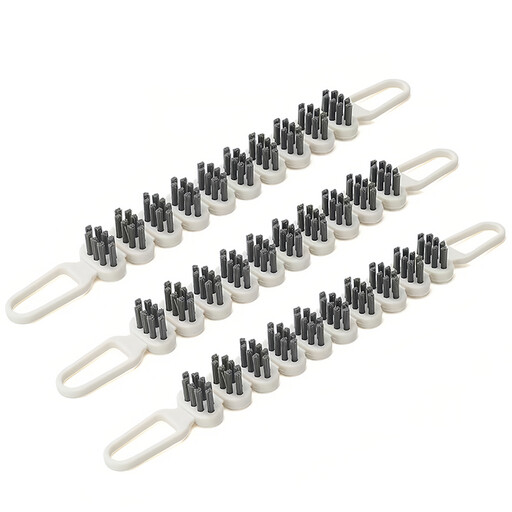
Why this choice suits this profile : This three-brush set is ideal for anyone who wants to tackle grout, taps, edges and small spaces without buying several separate products.
Its narrow, bendable heads target corners precisely instead of relying on unsubstantiated claims of versatility.
Three pieces, soft bristles and a design created for hard-to-reach areas.
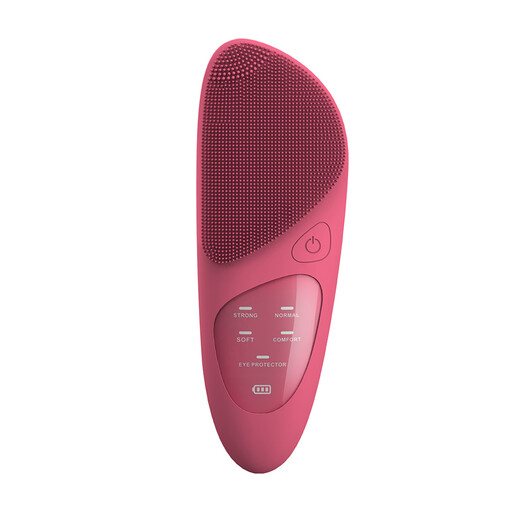
Why this choice suits this profile : This model combines several functions in a compact device, ideal for anyone looking to organise their at-home skincare routine.
The display shows the battery level and selected mode, making it easier to understand which functions are actually being used.
Cleansing, massage and warm compress modes, a 500 mAh battery and a stated one-year warranty.
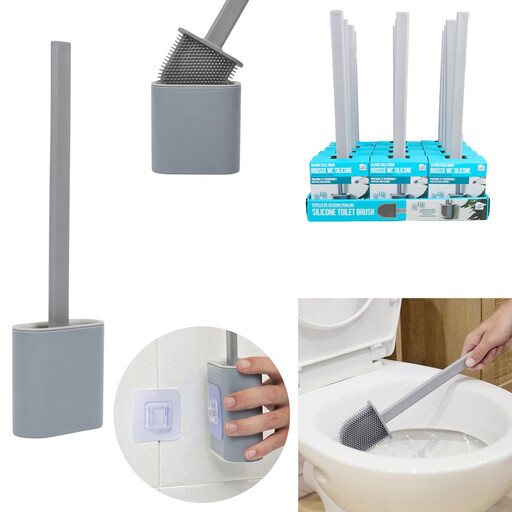
Why this choice suits this profile : Its slim design fits easily into a small bathroom or a compact toilet.
The silicone head and ventilated holder help reduce residue and drying issues often associated with certain enclosed models.
360-degree flexible head, drill-free adhesive hook and storage designed to let water drain away.
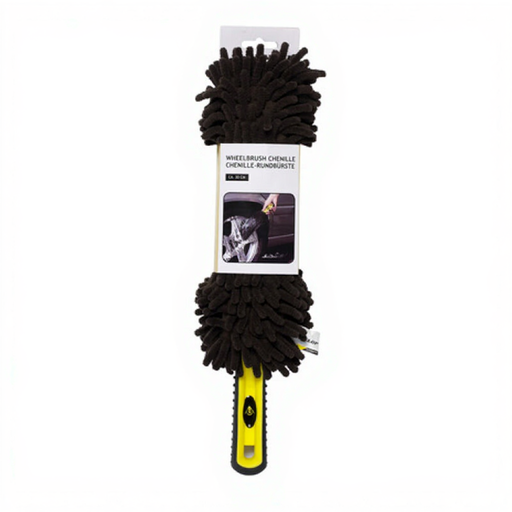
Why this choice suits this profile : This car brush is designed for alloy wheels, spokes and hard-to-reach areas on the inside.
The microfibre chenille is gentler than a hard brush, but you should always remove grains of sand before scrubbing.
33 cm length and a non-slip handle, practical even with wet hands.
We have brought together a complete, real-time updated selection of products that meet these selection criteria and European safety requirements.
This depends on how often it is used, the pressure applied and the material. Regularly inspect the bristles, head and handle. Misshapen bristles, a crack or a persistent odour despite washing are all signs that it may be time to replace the brush.
Rinse the brush after every use, remove excess water and leave it to air-dry. A ventilated holder or hanging storage helps prevent water from collecting. Never mix different cleaning products and follow the instructions on their packaging.
This is not recommended, both for hygiene reasons and for effective cleaning. Keep one brush for the toilet and another for the kitchen, car or facial care. Label them by area and choose a stiffness suited to each surface.