
Livraison le jour même ou le lendemain

Qualité garantie

Débloquez vos offres de bienvenue: Livraison GRATUITE | Jusqu'à -80 % | 30 jours d'essai gratuits à JoyPlus
Téléchargez l'application
Dust settles again within a few hours, pet hair finds its way under furniture and windows can still look streaky despite several passes. With the wide range of cleaning wipes and cloths available, it is easy to choose a product that is unsuitable for your home or too expensive to replace.
Before you add anything to your basket, bear these three common mistakes in mind:
The most suitable choice therefore depends on the surface to be cleaned, how often you use it and the level of dirt you need to tackle.
For windows, glass surfaces and mirrors, microfibre glass-cleaning cloths are generally popular thanks to their fine texture. They pick up water and grease marks with very little product, or even with water alone where the instructions permit this.
For floors, textured fibres or fibres with an electrostatic action are better suited to cleaning up dust and pet hair. They attract dry particles and help prevent them from being spread around as you clean.
However, microfibre is not suitable for every surface. Avoid using it where the manufacturer warns of incompatibility, particularly on certain oiled, waxed or unsealed wooden surfaces.
Before ordering, measure your mop or check its attachment system. A refill that is too small may come loose, while an unsuitable size can leave certain areas untouched.
Dry Swiffer wipes are designed to attach to a Swiffer Sweeper. Wet Swiffer wipes intended for washing systems must also be fitted according to the instructions on the packaging. A reusable refill may seem more economical, but it must be compatible with the mop head and remain securely in place during use.
For windows, a compact size such as 35 × 35 cm is easy to store and allows you to fold the cloth so you can use several clean sides.
The price of the pack is not enough to compare products. Take into account the number of pieces, how they are used and whether they can be washed:
Washing at a high temperature is not always recommended. The SPONTEX window cloth featured below, for example, can be washed at 60 °C, without fabric conditioner or tumble-drying, according to the information provided for this product.
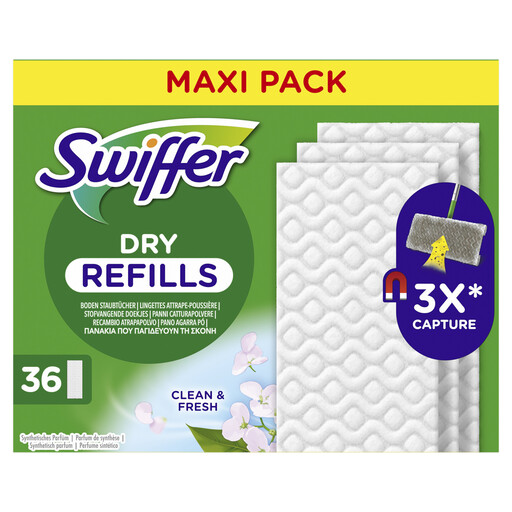
Why this choice suits this profile : this pack of 36 dry wipes is ideal for anyone who wants to clean hard floors quickly without having to rinse a mop after every use.
The product information clearly states that these are dry, single-use wipes. This helps you avoid reusing a saturated refill or using it with a liquid.
Its electrostatic action helps trap dust and hair, while its size makes it easy to reach under furniture, including sofas and beds.
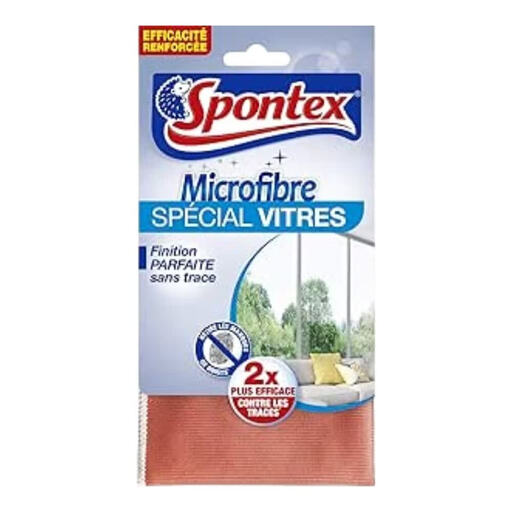
Why this choice suits this profile : it is designed for anyone looking for an immaculate finish on windows, mirrors, glass and fly screens, with a reusable accessory.
The product information states that it can be used dry or slightly damp. It recommends using water alone and washing at 60 °C without fabric conditioner to preserve the fibres.
35 × 35 cm size; microfibre advertised as 100% recyclable; the product information states that up to 99% of bacteria are removed from cleaned surfaces.
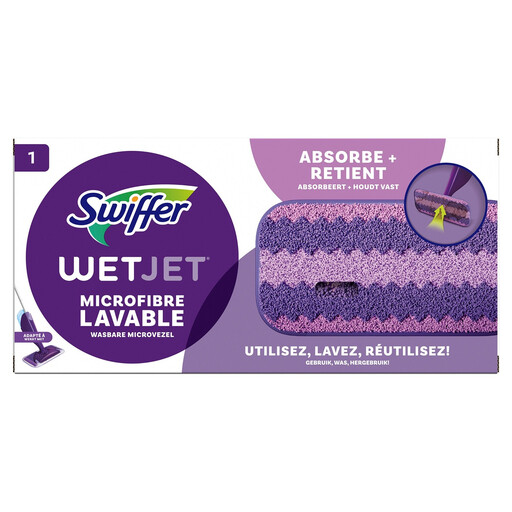
Why this choice suits this profile : this washable microfibre pad is suitable for households that clean their floors frequently and want to reduce their use of disposable refills.
Check that it is compatible with your mop head before buying. The restrictions relating to surfaces are also specified, particularly for unvarnished, oiled or waxed wood.
Machine-washable pad; use dry for dust and hair, or damp for marks and splashes.
We have put together a complete, real-time updated selection of products that meet these demanding criteria and European safety standards.
Start by removing dry particles before dampening the surface. This helps prevent dust from turning into a damp residue and reduces streaks on floors or kitchen worktops.
For windows, use a clean cloth, slightly damp if necessary, then turn it over and wipe with a dry side. When washing microfibre cloths, avoid fabric conditioner: it can coat the fibres and reduce their absorbency.
On a hard floor, check the finish before using homemade cleaning products. Wet wipes may contain alcohol, cleaning agents or fragrance. Never use a product on a surface excluded by the instructions, and do not mix several chemicals.
They are convenient for picking up hair and dust from hard floors, particularly under furniture. However, their effectiveness depends on the amount of dirt and the type of surface. For a large room or regular use, a reusable solution can reduce the number of refills needed.
It is best to follow the manufacturer’s instructions. For the SPONTEX Window Wonder cloth, the instructions advise against using fabric conditioner or a tumble dryer. Washing it separately or with similar fabrics can also help reduce fluff.
Disposable wipes save time and do not need rinsing, but their cost adds up over time. A reusable mop head requires washing and drying, but can prove more economical for frequent cleaning. Before choosing, compare the number of washes it can withstand, the price of refills and your cleaning habits.