
Livraison le jour même ou le lendemain

Qualité garantie

Débloquez vos offres de bienvenue: Livraison GRATUITE | Jusqu'à -80 % | 30 jours d'essai gratuits à JoyPlus
Téléchargez l'application
Convenient, fast, effective... On paper, cleaning wipes seem to have it all. Yet, in the supermarket jungle, the dream can quickly turn into a nightmare: wipes that dry out before the pack is even finished, formulas that leave greasy streaks, or eco-friendly promises that amount to greenwashing. As the Head of Product Recommendations at Joybuy, my mission is to help you cut through the noise, avoid the marketing traps, and find THE wipe that actually delivers on its promises.
To avoid throwing your money down the drain, here are the 3 most common disappointments to be aware of before you check out.
For a smart purchase, ignore the marketing hype and focus on what really matters: the technical specs.
This is the core of the product. The chemical formula determines what the wipe can (and cannot) do.
The solution isn't everything. The material of the wipe itself is crucial.
These are the details that make all the difference in daily use:
Here are a few products that passed our tests, meet specific needs, and successfully avoid the common pitfalls.
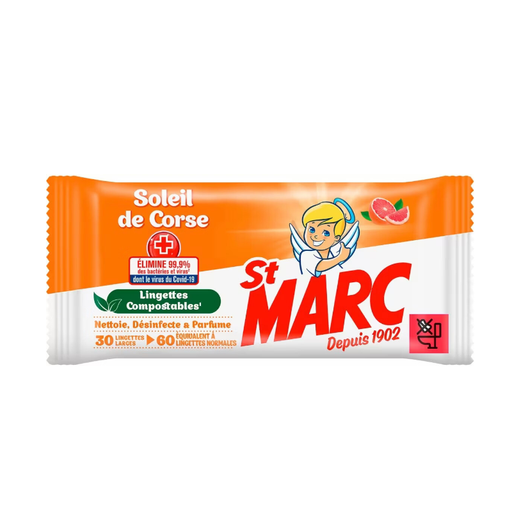
Why we chose it: The Swiss Army knife of wipes: it cleans, disinfects, and leaves a pleasant fragrance throughout the house. An essential for daily kitchen and bathroom cleaning.
No more frustration with tiny wipes: its XL format (30 wipes = 60 standard ones) covers more surface area. The protective lid ensures perfect moisture down to the last wipe.
It checks all the boxes: effective disinfection (goodbye to 99.9% of bacteria) and a compostable composition, blending hygiene with an eco-conscious approach.
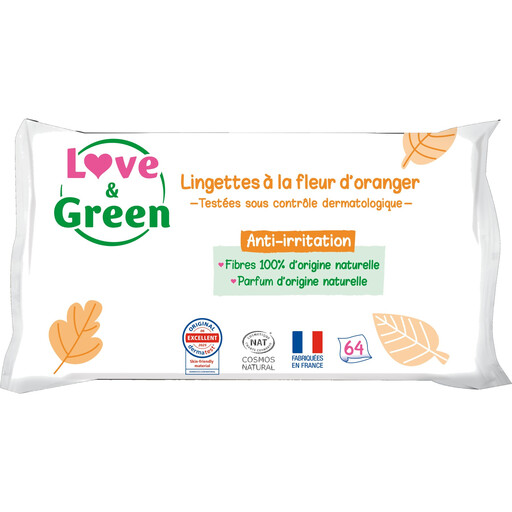
Why we chose it: Originally designed for babies, these wipes are perfect for gently cleaning everything: children's hands, the kitchen counter, or a small spill on the coffee table. All without a single harsh substance.
No greenwashing here: the fibre is 100% natural (FSC certified) and guaranteed plastic-free, while the formula is ECOCERT approved (COSMOS NATURAL). The transparency is total.
An ultra-clean formula with 98% natural ingredients, zero plastic, and no questionable preservatives. Even the mono-material packaging is designed for easy recycling.
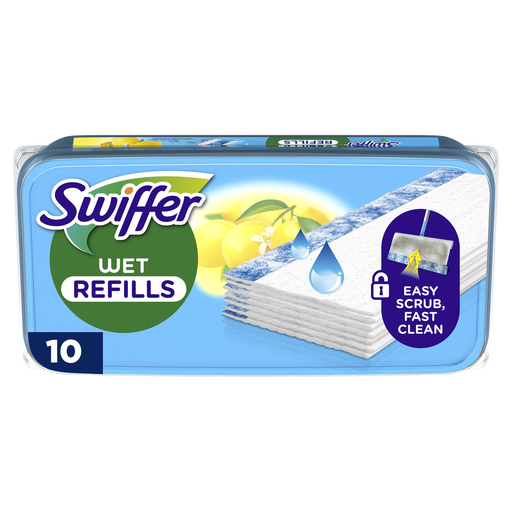
Why we chose it: The ultimate solution for a quick clean on hard floors (tile, linoleum, laminate). Designed for the Swiffer Sweeper, it makes floor cleaning less of a chore and much faster.
It doesn't pretend to do everything, and that's its strength. As a floor specialist, its textured design and specific solution trap dust and stains without leaving a greasy film.
No bucket or extra product needed: the wipe is pre-soaked with just the right amount of cleaner for a quick, streak-free dry. It's the very definition of convenient cleaning.
Discover our full selection of wipes tested and approved by our editors, all meeting our strict quality criteria.
Can you flush cleaning wipes down the toilet? The answer is simple: never. Even those marked "flushable" are a disaster for plumbing and water treatment plants because they don't break down quickly enough. The one and only correct action is to put them in the general waste bin.
What's the difference between an antibacterial and a disinfectant wipe? The terms are often used interchangeably, but the difference is significant. An antibacterial wipe, as its name suggests, only targets bacteria. A disinfectant wipe has a much broader spectrum of action: it is bactericidal, fungicidal (against fungi), and virucidal (against viruses). To be sure of its effectiveness against viruses, check that it meets the EN 14476 standard.
Are eco-friendly wipes really a better option? Yes, provided you know how to read the labels to avoid falling for the greenwashing trap. A true eco-friendly wipe must check several boxes: 100% plant-based fibres (with no plastic blend), a recognised label (e.g., ECOCERT, FSC), and recyclable packaging. And if you're aiming for home composting, only the "OK compost HOME" certification guarantees you can throw it in your garden compost bin.