
Livraison le jour même ou le lendemain

Qualité garantie

Débloquez vos offres de bienvenue: Livraison GRATUITE | Jusqu'à -80 % | 30 jours d'essai gratuits à JoyPlus
Téléchargez l'application
Stocking up on cleaning supplies can quickly become a headache. Caught between marketing promises and real-world results, it's easy to end up with cupboards full of ineffective tools or, worse, products that damage your surfaces. Before you fill your cart, it's best to know the most common pitfalls to make informed and truly sustainable choices.
The two most frequent mistakes are:
To avoid these setbacks, it's crucial to focus on a few technical criteria rather than on flashy packaging.
A good home cleaning routine relies on choosing the right tools. Here are the points to examine closely to build a high-performance and long-lasting cleaning kit.
The choice of material is the number one criterion for ensuring the effectiveness and safety of your cleaning accessory.
Be aware that not all scouring surfaces are created equal. Each is designed for a very specific use.
A good cleaning product is, above all, a reusable one. A key indicator is the number of guaranteed washes for washable cloths and sponges. A quality microfibre cloth can withstand up to 500 washes, making it an economical and ecological choice over the long term. Likewise, a flat mop with a sturdy steel frame and washable refills will last much longer than a low-end plastic model.
Rather than a generic list, here are products tailored to specific user profiles to help you find the tool that truly fits your daily life.
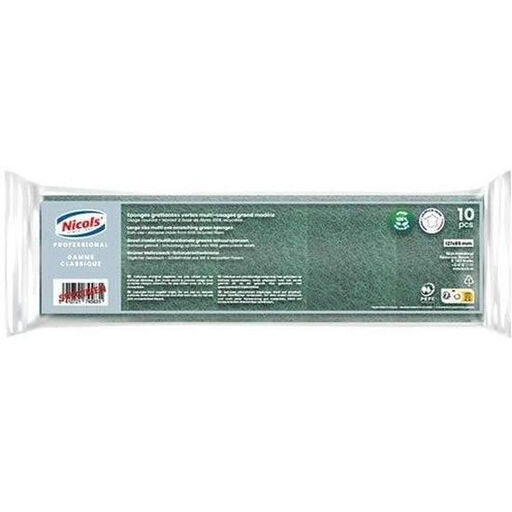
Why we chose it: For those looking for a reliable and budget-friendly solution for everyday dishes and surfaces. With this 10-pack, you'll be set for months.
This product doesn't market itself as a miracle solution. It's a classic dual-sided sponge where the distinction between the soft (yellow) and abrasive (green) side is clear, reducing the risk of using it by mistake on a delicate surface.
The economical 10-pack format offers excellent value for money for routine household cleaning.
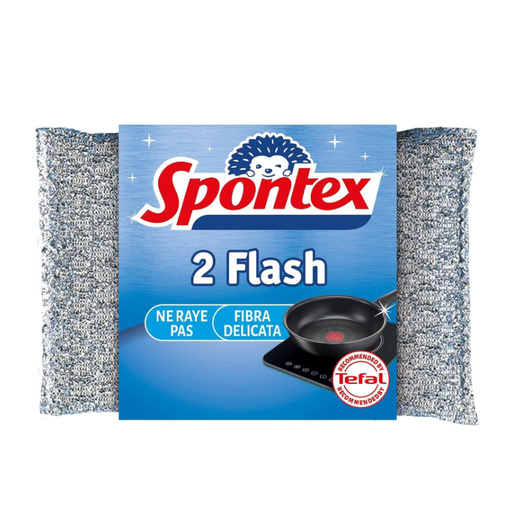
Why we chose it: Perfect for kitchens with ceramic hobs, Tefal pans, or stainless steel fixtures. This scourer is specifically designed to clean effectively without leaving micro-scratches.
It directly addresses the problem of scratching. Its technology, based on soft plastic fibres coated in aluminium, is engineered to scour without causing damage. The fact that it's recommended by Tefal is a seal of approval for non-stick coatings.
Its structure is easy to rinse, which prevents residue from building up and keeps the scourer cleaner for longer.
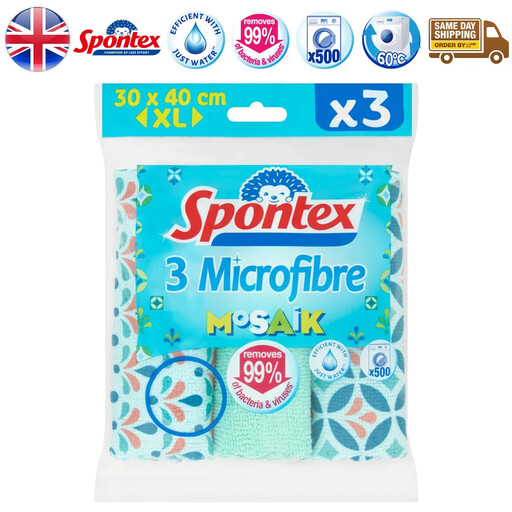
Why we chose it: For consumers who want to reduce waste and save money in the long run. These cloths are designed for intensive use, eliminating the need to constantly buy disposable products.
It directly tackles the pitfall of low-quality microfibre. The "washable up to 500 times" claim is a concrete commitment to durability, far from vague promises. Its effectiveness with water alone also reduces reliance on detergents.
Extremely versatile, it can be used dry for dusting or damp for degreasing, making it a cornerstone of any cleaning kit.
We've compiled a comprehensive list of products that meet our strict selection criteria.
To preserve its properties, wash your microfibre cloth in the machine at up to 60?°C, without ever using fabric softener or bleach. Fabric softener clogs the micro-grooves of the fibre and negates its ability to capture dirt. Let it air dry rather than using a tumble dryer for maximum durability.
Yes, because a magic eraser is micro-abrasive by nature. You should never use it on fragile, glossy, varnished, or surfaces painted with a satin or dark finish, as you risk dulling them or creating micro-scratches. Our advice: always perform a test on an inconspicuous area before using it on a new surface.
For hygiene reasons, it is advisable to replace a kitchen scouring sponge every two weeks to a month, depending on the intensity of use. To limit bacterial growth, rinse it well after each use, wring it out, and let it air dry. Tip: some sponges can also be run through the dishwasher or dampened and microwaved for one minute to be disinfected.