
当日/次日达

品质保障

开启新人专享福利: 全场免邮 | 低至 2 折 | 免费试用 30 天 JoyPlus 会员
下载 Joybuy
Between a multi-purpose cleaner, a household disinfectant, a facial cleansing gel or a cleansing balm, the differences in formulation and usage are far from trivial. A product that appeals because of its fragrance or a bold claim on the label may not be suitable for every surface or every skin type.
Here are the main pitfalls to avoid and the criteria to check before buying your cleaning products for the home and skin.
A kitchen or floor cleaner primarily removes dirt, grease and some odours. A household disinfectant, on the other hand, must provide precise information about the micro-organisms it targets, the contact time required and the conditions of use.
The presence of bleach does not automatically mean the product is intended for disinfection. The product sheet for LA CROIX Multi-Purpose Bleach Cleaner Liquid 1.5 L specifically states that it is not designed for this purpose. Instead, it is used to clean, whiten and remove stains from certain surfaces, with a dilution tailored to each use.
Claims such as "99.9%" or "100%" are manufacturer assertions, typically obtained under a specific protocol and set of conditions. They do not allow you to directly compare two products without considering the surface, the action time, the dilution and any rinsing required.
For professional or communal use, check the label, the product sheet and any relevant standards mentioned, such as EN 13697, EN 1650 or EN 14476 for certain biocidal activities.
A multi-surface cleaner, a limescale remover or a toilet gel must never be applied to the face or body. Conversely, a facial cleansing gel is not formulated for floors, worktops or sanitaryware.
For the skin, check the product type, the ingredient list, whether it contains fragrance and the usage recommendations. Sensitive or reactive skin may require a soap-free formula, less frequent use or a patch test on a small area first.
Before choosing a cleaner for the bathroom, kitchen or floors, identify the material involved. Marble, natural stone, treated wood, aluminium and certain painted surfaces can react to acids, chlorine-based agents or abrasive products.
A limescale remover is generally suitable for mineral deposits in showers, taps and compatible tiling. However, it should not be applied without checking on a surface that is sensitive to acids. The product ANTI-KAL Original Spray states it can be used on showers, sinks and tiling, but recommends following the safety precautions and not mixing it with bleach or other cleaners.
A spray bottle of 500 to 800 ml makes it easy to target a stain or a specific area. A 5 L container may be more economical for a large family, a business, a block of flats or a communal setting, provided you have a secure storage space.
Concentrated products, such as CAROLIN Multi-Purpose Cleaner 5 L, must be diluted according to the instructions on the label. Compare the actual usable volume, not just the price of the container. A dilutable formula can reduce the cost per application, but over-dosing increases expense and leaves more residue on surfaces.
Hazard pictograms should carry as much weight in your decision as the fragrance or the promise of effectiveness. Some products can cause skin irritation or serious eye damage. Wear gloves when the label recommends it, ventilate the room and keep bottles out of reach of children and pets.
Never mix bleach with an acidic product, a limescale remover or a cleaner containing ammonia. Dangerous gases can be released. For surfaces that come into contact with food, check whether rinsing with drinking water is required.
On the skincare side, a facial cleansing gel, a cleansing balm or an anti-blemish cleanser should only be used according to the manufacturer's instructions. Stop using it if you experience redness, itching or persistent discomfort.
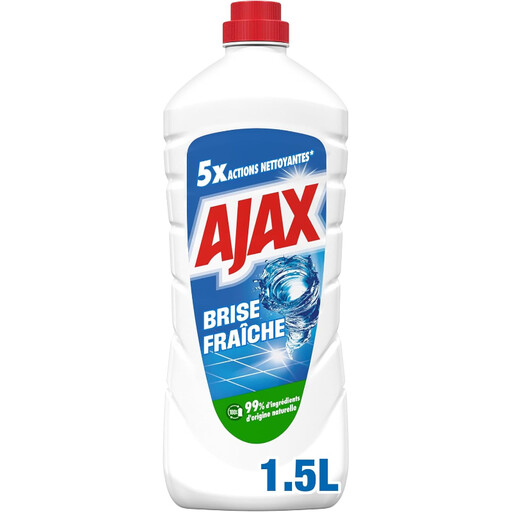
Why this choice suits this profile: its 1.5 L format and versatility on floors, in the kitchen and bathroom make it a practical option for everyday household cleaning.
It is clearly presented as a multi-surface product, without being mistaken for a chlorine-based disinfectant.
Can be used with cold water according to the product sheet, bottle made from recycled plastic and formula claimed to be 99% naturally derived.
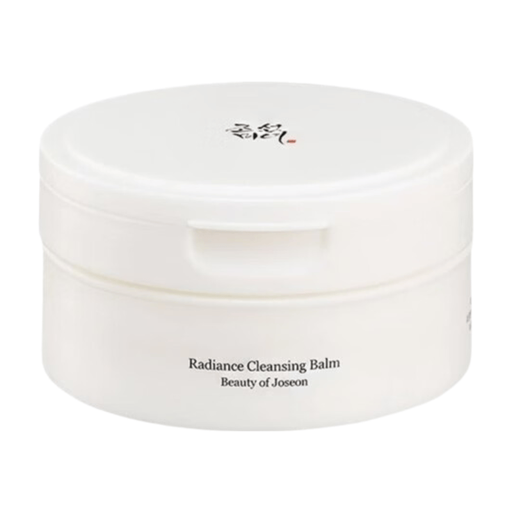
Why this choice suits this profile: its balm texture that transforms into an oil will appeal to those looking for a more sensory makeup removal step.
The product sheet clearly distinguishes its external cosmetic use and recommends rinsing the product, then stopping use if irritation occurs.
Balm-to-oil formula based on rice bran water, glycerin and plant extracts; 100 ml format.

Why this choice suits this profile: its large format is particularly well suited to frequent use in busy households, professional premises or communal settings.
Its bleach-free formula avoids confusing chlorine bleaching with disinfection, while the label specifies the dilution and contact time.
5 L container, bleach-free, with EN 13697, EN 1650 and EN 14476 standards mentioned on the product sheet.
We have compiled a comprehensive list, updated in real time, of products that meet these strict selection criteria and European safety regulations.
Not necessarily. A multi-purpose cleaner removes dirt, but only the label can confirm a biocidal action, specify the organisms targeted and indicate the required contact time. To disinfect, follow the instructions precisely and never mix products.
Compare the price per litre and the number of possible applications. A 5 L container may suit heavy use, while a 750 or 800 ml spray bottle limits storage and makes light work of small tasks. Dilution must always follow the manufacturer's instructions.
The frequency depends on the formula and your skin's sensitivity. Some products are designed for morning and evening use, but if you feel tightness, redness or irritation, you should space out your applications. If the problem persists, seek advice from a healthcare professional.