
Livraison le jour même ou le lendemain

Qualité garantie

Débloquez vos offres de bienvenue: Livraison GRATUITE | Jusqu'à -80 % | 30 jours d'essai gratuits à JoyPlus
Téléchargez l'application
Keeping your home clean and healthy is a top priority for everyone. Yet, once you're in the cleaning products aisle, the task becomes daunting and the headache begins. Between flashy marketing promises and a bewildering array of formats, it's easy to feel lost and end up with products you'll regret buying. As a product expert at Joybuy, my mission is to bring you clarity. The goal: to help you choose products that are genuinely suited to your needs, while avoiding the most common pitfalls.
Before you fill your basket, let's review the classic mistakes to avoid:
To make an informed choice, it's better to rely on a few key criteria rather than advertising slogans.
The jargon on labels may seem obscure, but it's crucial for deciphering a product's real purpose.
Every material in your home has its own requirements. Using the wrong product can cause irreversible damage. A floor cleaner for parquet flooring should obviously not be used on tiles, just as an acidic product can permanently dull marble or natural stone. Similarly, bleach should be avoided on certain stainless steel or aluminium surfaces. Pro tip: before applying to a new surface, always test it on a small, inconspicuous area first.
The format has a direct impact on ease of use and cleaning efficiency.
To help you see how these criteria apply in practice, here are a few products we recommend, each tailored to a specific user profile.
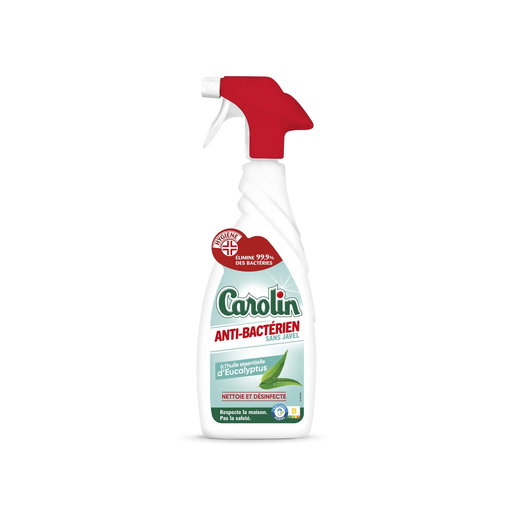
Why it's a match: Ideal for families seeking a reliable solution for the kitchen, a high-traffic area. It cleans, degreases, and disinfects food-contact surfaces, all without the harshness of bleach.
This isn't a vague "all-purpose" cleaner. It's a product targeted for the kitchen, with a clearly stated dual degreasing and antibacterial action. This helps avoid unpleasant surprises with stubborn grease.
Its bleach-free formula eliminates 99.9% of bacteria while leaving a fresh eucalyptus scent. Bonus: the bottle is 100% recyclable.
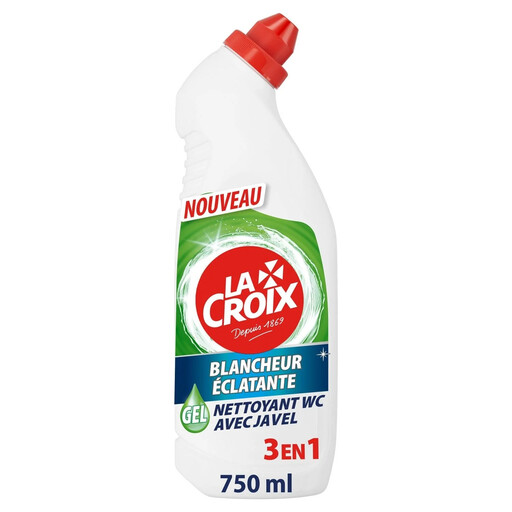
Why it's a match: For those who won't compromise on toilet hygiene, this gel is the heavy-duty solution: powerful and comprehensive. It tackles stains, limescale, and bacteria with a tried-and-tested formula.
This product doesn't just mask odours; it eliminates them at the source. Its bleach-based formula is upfront about its purpose, delivering disinfecting and whitening action without false promises.
Its gel texture clings perfectly to the toilet bowl, even below the waterline, ensuring prolonged action and a deep clean with every flush.
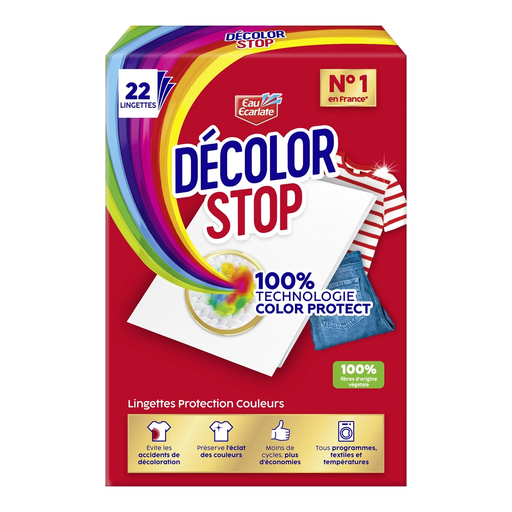
Why it's a match: For anyone who dreams of simplifying the laundry chore and saying goodbye to colour run accidents. This is the solution for mixing colours without fear and saving precious time.
Rather than relying on an "all-colours" detergent with sometimes vague promises, this wipe tackles a specific problem: capturing bleeding dyes. It's a real safeguard for your new clothes.
It allows you to reduce the number of laundry loads by mixing colours, leading to water and electricity savings. Plus, the packaging is made from 100% recycled materials.
We have curated a complete and up-to-date selection of products that meet our demanding selection criteria and UK regulations.
A cleaner is used to remove visible dirt (dust, grease, stains). A disinfectant, on the other hand, contains chemical agents (biocides) designed to kill microorganisms: bacteria, viruses, fungi, etc. A product can perform both functions, but a simple cleaner has no certified disinfecting action. The key is to read the label to check for active ingredients and efficacy standards (like EN 1276).
Absolutely not! You should never mix different cleaning products, especially bleach with acidic products (like limescale removers) or ammonia-based cleaners. Such mixtures cause dangerous chemical reactions, releasing toxic gases (like chlorine gas) that can be fatal. The golden rule: use one product at a time, and ventilate the room well.
For impeccable hygiene, it is advisable to replace your kitchen sponge every two to three weeks (or more often with heavy use). They are true breeding grounds for bacteria due to moisture and food residues. Remember to rinse and wring it out thoroughly after each use, then let it air dry to slow down microbial growth.