
当日/次日达

品质保障

开启新人专享福利: 全场免邮 | 低至 2 折 | 免费试用 30 天 JoyPlus 会员
下载 Joybuy
Navigating the cleaning products aisle can quickly become overwhelming. Between promises of lightning-fast results, attractive packaging, and eco-friendly claims, it's hard to separate marketing from actual performance. Many of us end up with a collection of half-empty bottles, disappointed by results that don't live up to our expectations.
I'm a Product Expert at Joybuy, and my role is to help you see things more clearly. Let's break down the common pitfalls to avoid and the key criteria for choosing products that deliver on their promises, without you having to throw your money down the drain.
The 2 most common pitfalls when buying cleaning products:
To make an informed choice, it's better to focus on a few key criteria rather than advertising slogans.
The cleaning base is the heart of the product. Understanding the main ingredients helps you better grasp their effectiveness:
The packaging should match your cleaning habits:
A label like the European Ecolabel guarantees compliance with strict standards for environmental impact and effectiveness. The Made in France designation, meanwhile, supports the local economy and often ensures better product traceability.
Here are a few options that stand out for their formulation and suitability for specific user profiles.
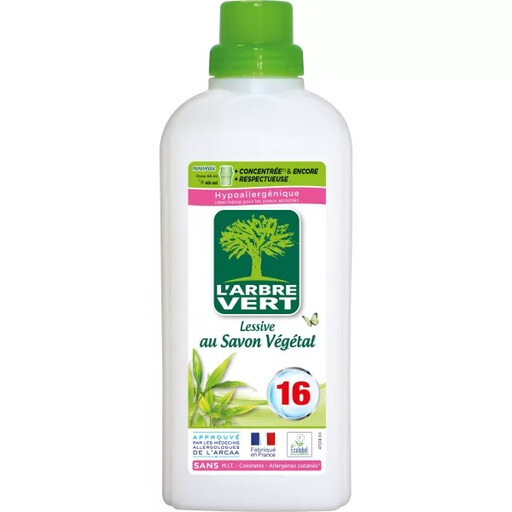
Why we love it: This detergent was designed for households where gentleness is key. It is ideal for baby clothes and reactive skin, which demand impeccable cleanliness without harsh ingredients.
It meets the need for natural ingredients without falling into vague marketing. Its hypoallergenic formula and Ecolabel certification are concrete guarantees of its respectful composition.
Effective even at low temperatures, it cares for your laundry and skin while helping you save energy. Its plant-based soap formula is a real asset.
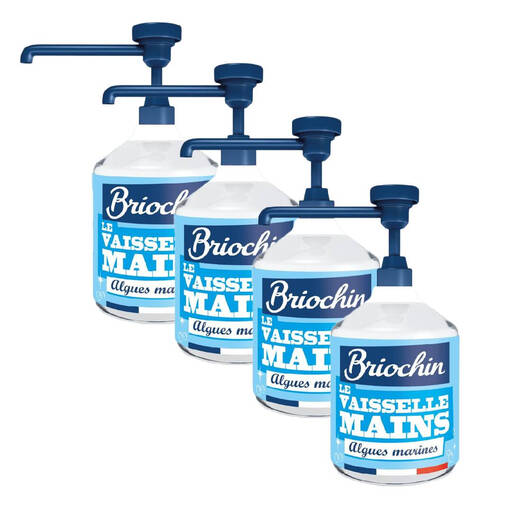
Why we love it: For large families or cooking enthusiasts, washing-up liquid runs out fast. This pack allows you to stock up on a high-performance product while keeping your budget in check.
This value pack is a genuinely good deal because its formula is concentrated. The power of black soap ensures impeccable degreasing with just a small amount of product, avoiding the trap of overly diluted formulas.
The pump dispenser is a real bonus: it prevents waste by delivering just the right amount, no more, no less. A Made in France product that combines tradition and practicality.
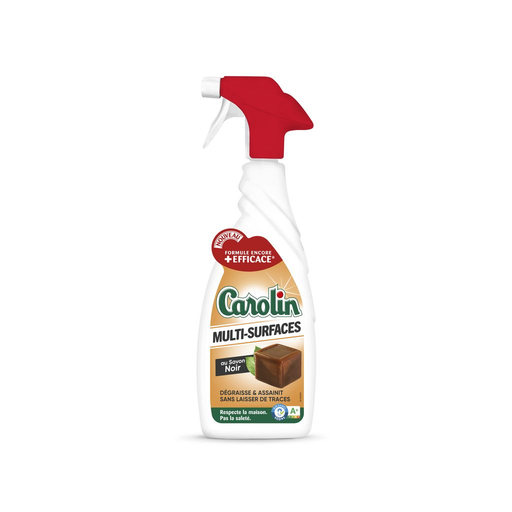
Why we love it: Perfect for maintaining your home daily without spending hours on it. A quick spray on the worktop after a meal, on the coffee table, or on door handles, and the job is done.
This all-purpose cleaner doesn't promise the moon. It's designed for a specific, effective use: the express cleaning of everyday surfaces. Its 100% plant-based black soap formula is a mark of quality.
Its spray format is ultra-practical, and its streak-free formula makes life easier. One wipe with a cloth, and it's clean! The Airlabel A+ certification indicates very low emissions into indoor air.
We have selected a full range of products that meet these criteria for quality and effectiveness.
Although both are traditional, natural cleaners, their composition and uses differ slightly. Black soap is generally liquid or paste-like, made from oils (often linseed or olive) saponified with potash. It is renowned for its powerful degreasing properties. Savon de Marseille, traditionally a solid bar, is made from vegetable oils (often olive or palm) saponified with soda. It is known for its gentle cleaning properties, making it popular for laundry and personal care, as well as for delicate floors.
The term hypoallergenic means the product has been formulated to minimise the risk of allergy. Manufacturers avoid using the most common skin allergens. However, this is not a 100% guarantee, as everyone's skin is unique and can react to specific ingredients. It's an important precaution, but it's always advisable to read the ingredient list if you have known sensitivities.
To get the most out of a concentrated product, the secret is to strictly follow the dilution instructions on the packaging. Using a measuring cap or a precise measurement is essential. For cleaning floors, a single capful in a 5-litre bucket of water is often sufficient. Using more not only wastes the product but also risks leaving a sticky film on your surfaces. This would require rinsing—an extra effort we could all do without.