
Livraison le jour même ou le lendemain

Qualité garantie

Débloquez vos offres de bienvenue: Livraison GRATUITE | Jusqu'à -80 % | 30 jours d'essai gratuits à JoyPlus
Téléchargez l'application
From DIY projects and car maintenance to facial care, the right cleaning or polishing accessory can make all the difference. But with an overwhelming number of options, it's hard to know where to start. From sponges that disintegrate after a few washes to polishing pads that damage your car's paintwork, a poor choice can be costly in both time and money. This guide is here to help you identify the essential criteria for selecting products that are both effective and durable.
Marketing is full of tempting claims that often don't stand up to real-world use. Here are the three most common pitfalls:
To avoid these traps, you just need to look at a few technical specifications. Though often overlooked, these details are what guarantee a product's performance and safety.
An accessory's power lies in its abrasiveness. It is therefore crucial to match it to the surface and the task at hand.
An accessory's material affects its effectiveness and durability.
Ergonomics should not be overlooked: a good tool is, above all, a practical one.
Here are a few products that cater to specific user profiles, in line with the criteria we've just discussed.
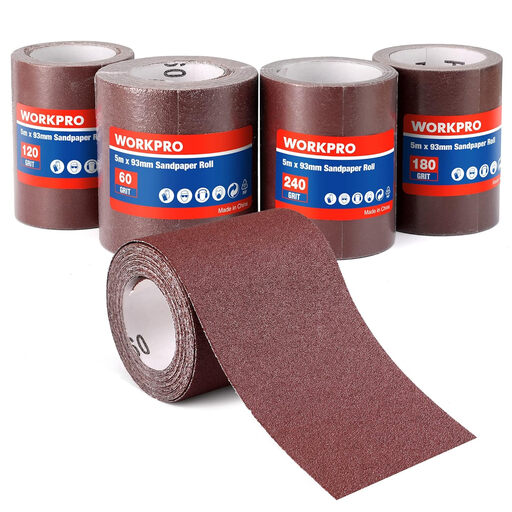
Why we chose it: Ideal for anyone undertaking various renovation projects, from coarse stripping to the finest finishing. This assortment covers the full spectrum of sanding on wood, metal, or paint.
It avoids the "one-size-fits-all" trap by offering four distinct grits (60, 120, 180, 240), allowing you to precisely adapt the abrasiveness to each stage of the job.
Its aluminium oxide composition ensures good durability and consistent sanding performance. Conveniently, the grit is printed on the back of each roll so you don't get them mixed up.
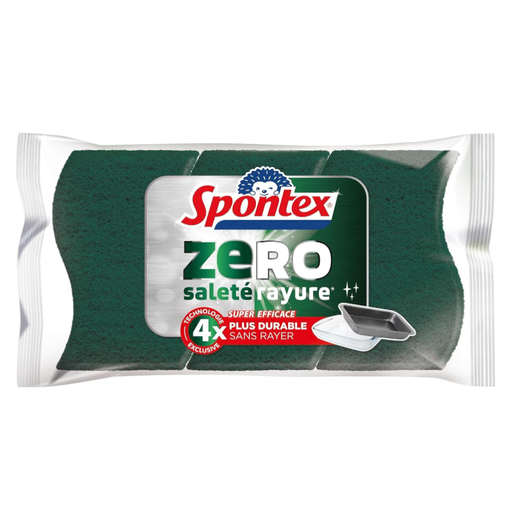
Why we chose it: For those who want to remove stubborn dirt without risking scratches on dishes, non-stick pans, or hobs. The perfect solution for demanding daily household cleaning.
It directly addresses the pitfall of uncontrolled abrasion. Its exclusive scouring fibre technology is designed to be effective without scratching, even on the most delicate surfaces.
According to Spontex, these sponges are four times more durable than a standard sponge, making them an economical choice in the long run. Its plant-based sponge side ensures excellent absorption.
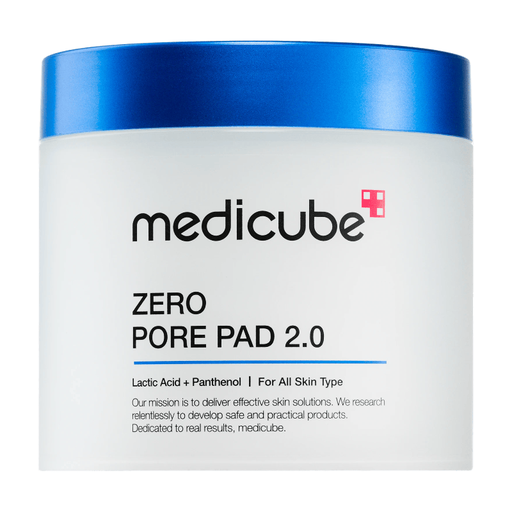
Why we chose it: For those looking to refine their skin texture, unclog pores, and control excess sebum with a convenient and clinically-proven skincare product.
It avoids the risk of excessive abrasion by combining exfoliating acids (lactic and salicylic) with soothing and hydrating ingredients like panthenol and centella asiatica.
The dual-sided exfoliating pad format is both hygienic and practical: an embossed side to gently exfoliate, and a smooth side to finish the treatment.
Explore our complete, updated selection of products that meet these strict selection criteria and current standards.
For kitchen sponges, it is recommended to replace them every 6 to 8 weeks for hygiene reasons, even if the sponge still looks to be in good condition. Some machine-washable models, like the Spontex Flex & Wash sponges, can last much longer. As for polishing pads, their lifespan depends on the intensity of use. Replace them as soon as they are visibly worn, torn, or no longer adhere properly to the backing plate.
It all depends on your goal. To quickly strip a surface (flaking paint, rough wood), start with a low grit (40-80). To smooth a surface that has already been roughed out and to prepare it for a primer, a medium grit (100-150) is ideal. Finally, for a perfectly smooth finish before the final coat of paint or varnish, opt for a fine (180-240) or extra-fine (320+) grit.
This depends entirely on the product's formulation and your skin type. Gentle pads formulated with PHAs (like the Medicube Zero Pore Pad Mild) are often designed for daily use. However, those containing higher concentrations of AHAs or BHAs (like the Medicube Zero Pore Pad 2.0) may require less frequent use (2 to 3 times a week), especially for sensitive skin, to avoid irritation. It's always best to follow the manufacturer's instructions and observe how your skin reacts.