
Livraison le jour même ou le lendemain

Qualité garantie

Débloquez vos offres de bienvenue: Livraison GRATUITE | Jusqu'à -80 % | 30 jours d'essai gratuits à JoyPlus
Téléchargez l'application
The cleaning cloth aisle can be overwhelming. Between promises of a perfect shine and materials with technical jargon, making the right choice can feel like a real challenge. The wrong purchase is a recipe for disappointment: streaky surfaces, stubborn lint, or a cloth that falls apart after just a few washes.
As the Head of Product Recommendations at Joybuy, my mission is to help you navigate this space. We’ve identified the two most common mistakes shoppers make:
To avoid these pitfalls, you just need to know the few criteria that really matter before you buy.
Forget the marketing slogans and focus on the technical specifications: that's the secret to a smart purchase. There are two key points to examine first.
It all starts with the material. This dictates the cloth's effectiveness and intended use. The three most common types have very distinct jobs:
Beyond the material, the weave and density (measured in grams per square metre, or GSM) are crucial for the cloth's effectiveness and durability.
You won't find an endless catalogue here, just a curated selection of products that meet specific needs. Our goal is to help you find the perfect solution for your daily routine.
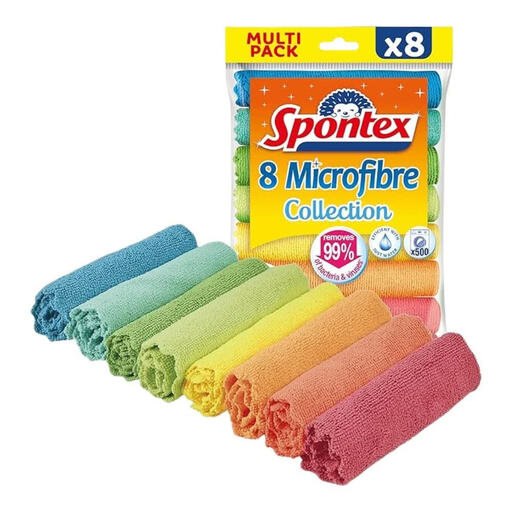
Why we chose it: For those looking for a reliable and versatile solution for cleaning the entire house. This eight-pack allows you to assign a colour to each area (kitchen, bathroom, dusting, etc.) for impeccable hygiene.
This product avoids the ineffective “multi-purpose” trap thanks to its high-quality microfibre, which performs well on most surfaces. Its resistance to machine washing tackles the problem of false durability.
An economical 8-pack of cloths that are machine-washable and effective with just water, reducing the need for detergents.
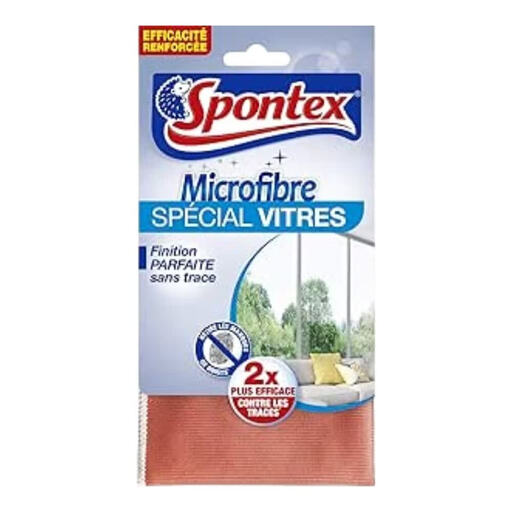
Why we chose it: For perfectionists who hunt down every last streak on their mirrors, windows, or shower screens. Its design is 100% dedicated to this purpose.
This specialised cloth directly counters the “ineffective multi-purpose” pitfall. It is designed with a specific microfibre to leave no streaks or lint, a promise that standard cloths can't keep.
Eliminates grease and water spots from glass surfaces for perfect transparency, without needing any cleaning products.
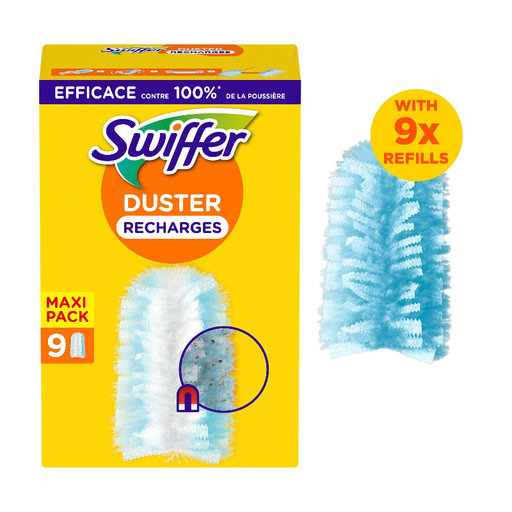
Why we chose it: For those who want to dust quickly and effectively, without any hassle. Ideal for delicate surfaces, electronics, and hard-to-reach corners.
This product doesn't pretend to be reusable, and that's its greatest strength. Its value lies in its single-use electrostatic effectiveness. It avoids the “wrong tool for the job” pitfall by being the absolute specialist in dust capture.
Its thousands of soft fibres attract and trap dust, hair, and allergens, preventing them from resettling elsewhere.
Durability varies by quality. Entry-level models may lose effectiveness after a few dozen washes, while high-quality cloths, like those from Spontex, can be machine-washed up to 500 times. A pro tip to preserve their properties: wash them without fabric softener. Softener clogs the microfibres and reduces their trapping power.
For a flawless result, use a dedicated streak-free glass cloth. Dampen it very lightly with plain water (no detergent) and wipe the surface. Then, use a dry section of the same cloth or a second clean, dry cloth to polish. The secret is to use minimal water and a perfectly suited cloth.
Why choose? Both are essential in the kitchen. The cotton kitchen towel is unbeatable for its absorbency, making it ideal for drying dishes or wiping your hands. Microfibre is more effective for cleaning and degreasing surfaces like cooktops, stainless steel worktops, or cabinet fronts, as its fibres are much better at trapping grease. So, it's ideal to have both on hand.