
Livraison le jour même ou le lendemain

Qualité garantie

Débloquez vos offres de bienvenue: Livraison GRATUITE | Jusqu'à -80 % | 30 jours d'essai gratuits à JoyPlus
Téléchargez l'application
A cleaning brush might seem easy to choose… until the bristles become misshapen, the handle feels uncomfortable or it scratches a delicate surface. Whether you’re cleaning the bathroom, car, barbecue or high windows, the right brush depends above all on the area you need to clean and how much pressure you need to apply.
Before you place your order, watch out for these three common mistakes:
Choose the type of bristle to suit the surface you’re cleaning:
Stiffness alone isn’t a sign of quality. The bristles should first and foremost be suited to the job.
An ergonomic handle with a non-slip grip helps you stay in control, even with wet or soapy hands. For a bathroom cleaning brush, an angled head can also reduce repeated bending of your back and knees.
A long-handled floor brush should remain sufficiently rigid when you press down on stubborn stains. For windows, conservatory roofs or solar panels, a telescopic window brush gives you useful extra reach. However, check that the sections are stable and consider the total weight when the brush is full of water.
A wet brush left in a cupboard will take longer to dry and may trap residue. Look for:
In the kitchen and when cleaning baby accessories, use separate brushes as needed. A bottle brush should never be used to clean the toilet or car wheels.
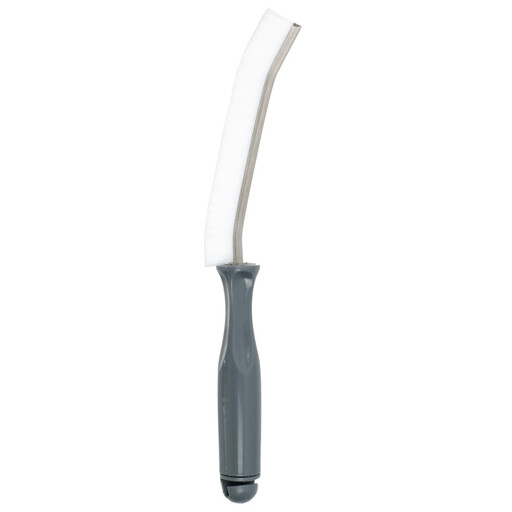
Why it’s a good choice for this shopper : This compact brush fits easily into tile grout, window tracks and small corners in the kitchen or bathroom.
Its specialised design means you don’t have to rely on one brush that could be too abrasive for every surface. We still recommend testing it on an inconspicuous area first.
Durable nylon bristles, an ergonomic handle and a head designed for tight spaces.
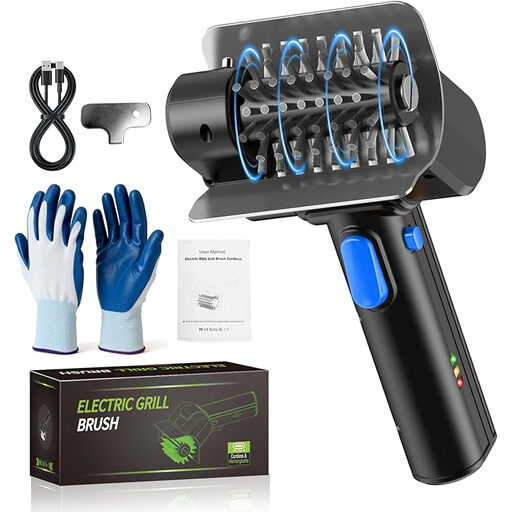
Why it’s a good choice for this shopper : This rechargeable cleaner is ideal if you barbecue regularly and want to cut down on manual effort.
According to the description, the braided steel roller replaces conventional wires. Still, inspect the grate after use and follow the manufacturer’s instructions.
Motor rated at 600 rpm, cordless design, cleaning roller and pad included.
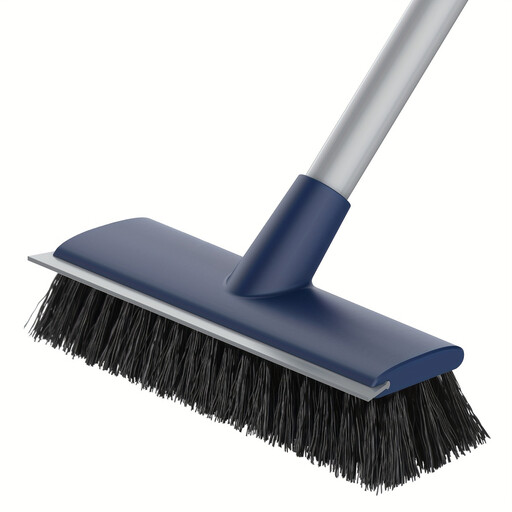
Why it’s a good choice for this shopper : Its adjustable length is handy for regularly cleaning floors, shower walls, garages, patios and tiled surfaces.
The adjustable handle and angled head help you avoid uncomfortable positions, while the squeegee stops water from pooling on the floor.
Adjustable handle from 49,2 to 124 cm, stiff bristles and a two-in-one design with squeegee.
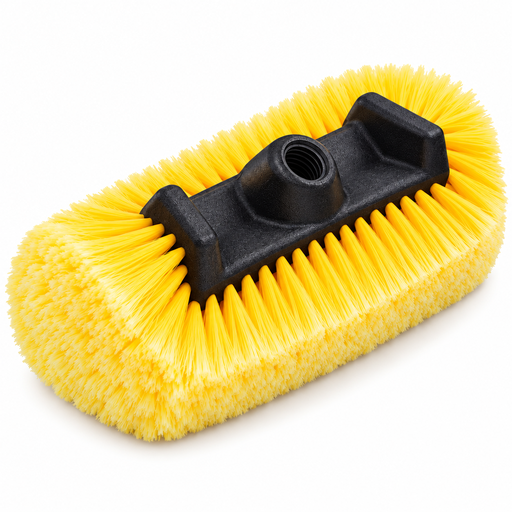
Why it’s a good choice for this shopper : This trio lets you use separate brushes for air vents, trim, wheels and interior surfaces.
The different head textures reduce the risk of using bristles that are too stiff on a screen, dashboard or delicate finish.
Set of three brushes, ergonomic handles and a combination of soft bristles, microfibre and natural fibres.
We’ve put together a comprehensive selection, updated in real time, of products that meet these demanding criteria and European safety standards.
A tile grout brush with stiff nylon bristles and a narrow head is suitable for grooves and corners. Avoid metal bristles on enamelled surfaces and always test the brush on an inconspicuous area first.
For the interior, a car air vent brush with soft or microfibre bristles removes dust without needing much pressure. For the wheels, a long, soft wheel brush makes it easier to clean between the spokes. However, use an all-purpose car cleaning brush with care, depending on the material.
It depends on how often you use it, how much pressure you apply and how well you look after it. Rinse the head after every use, leave it to air-dry and replace it when the bristles are flattened, the head comes loose or a lingering smell develops. For a bottle brush or toilet brush, also check the condition of the sponge, bristles and holder regularly.