
Livraison le jour même ou le lendemain

Qualité garantie

Débloquez vos offres de bienvenue: Livraison GRATUITE | Jusqu'à -80 % | 30 jours d'essai gratuits à JoyPlus
Téléchargez l'application
A cleaning brush seems easy enough to choose… until the bristles start to warp, the handle slips out of your hand, or it leaves scratches behind. With all-purpose models, promises of “intensive” cleaning and kits packed with accessories, it’s worth doing a few checks before you buy.
A stiff-bristled brush will easily tackle ingrained dirt in grout, but it can be too harsh on painted or glossy surfaces. Conversely, a very soft model is perfect for dusting, but may lack the bite needed for shoe soles or soap scum.
An accessory marketed as “multi-purpose” won’t necessarily replace a grout brush, a bottle brush or a car washing brush designed for a specific job.
Bristles that are too hard, a protruding metal staple, or a few grains of dust trapped in the head can mark glass, shiny plastic or car paintwork. When washing a car, it’s best to choose soft fibres and rinse the brush before each use.
For baby-care accessories, also check the stated composition, how easy it is to rinse, and the care instructions. Mentions of BPA-free or food-grade silicone, where stated by the manufacturer, tell you about the materials used, without being a health guarantee in themselves.
A brush left damp in a closed cupboard can hold onto residue and eventually start to smell. Models with a hanging loop, a ventilated holder, a removable head or a draining case are much easier to maintain day to day. This is especially useful for a washing-up brush, a baby accessory, or any tool used with water and detergent.
Shape matters just as much as material. A narrow head can get into grooves and corners, while a wide head lets you work faster on floors or large surfaces.
For a car cleaning brush, a non-slip handle makes it easier to work in air vents and tight nooks. For the bodywork, a telescopic or adjustable handle lets you reach the roof and high areas without extra effort.
At home, a dusting mop with a pivoting head glides more easily under furniture. A blind cleaner with separate slats offers more precision than a simple cloth. For windows, a squeegee should have a perfectly even blade and let you wipe without pressing too hard.
Rinse the head after each use, remove any visible residue and leave it to air dry. For accessories intended for baby bottles, follow the manufacturer’s recommendations for hot water, the dishwasher and sterilisation. Regularly inspect the bristles, foam and connections: as soon as any part is worn or coming loose, it’s time to replace it.
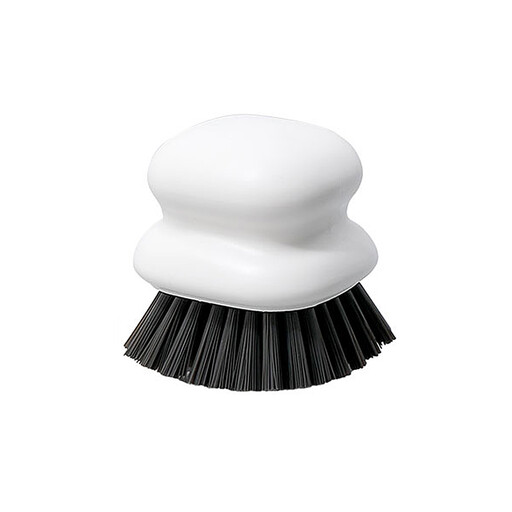
Why this choice suits this profile: Its short handle and compact size are well suited to everyday kitchen tasks, particularly cleaning pans, washing-up and stubborn residue.
It targets everyday household tasks rather than claiming to be a miracle solution for every surface.
A compact format, intuitive grip and a use perfectly suited to hand-washing dishes.
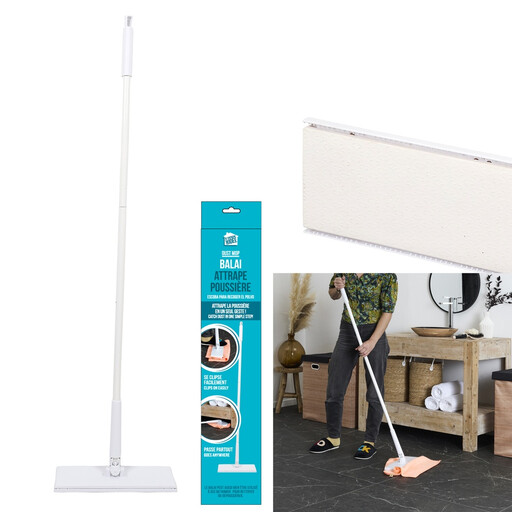
Why this choice suits this profile: Its flat profile and long handle are ideal for homes where you want to avoid bending down and be able to store the tool easily.
Its pivoting head and slim design are made to slide under furniture – far from a simple promise of versatility.
360-degree pivoting head, long handle and push-fit assembly.
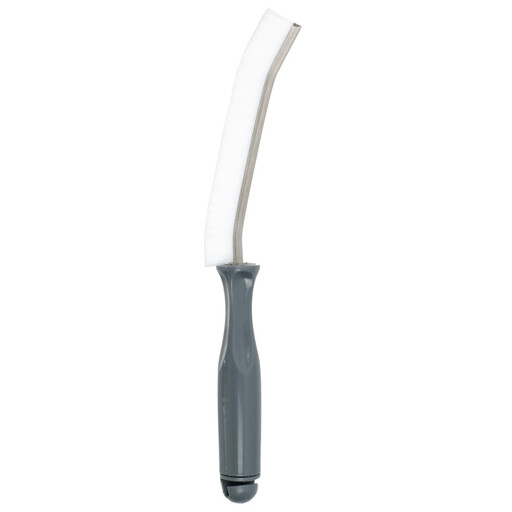
Why this choice suits this profile: Households that regularly clean the bathroom, kitchen and window tracks will appreciate its narrow head, designed to reach into gaps.
Its tough nylon bristles target grout and crevices, but it’s best to test the brush first on polished surfaces.
Firm bristles, an ergonomic handle and a head suited to grout, corners and narrow tracks.
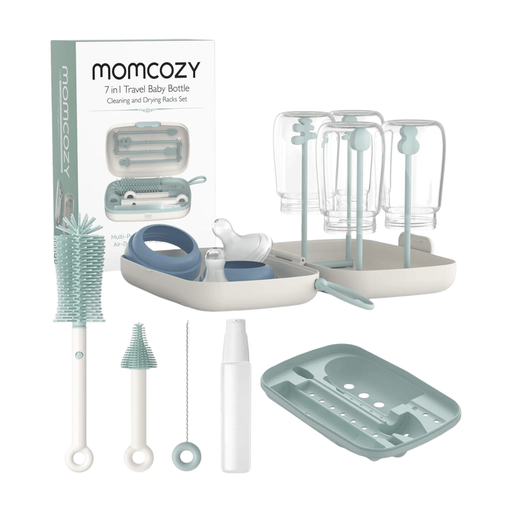
Why this choice suits this profile: The kit brings together several accessories for baby bottles, teats, straws and breast pump parts, with practical storage for travel.
Each head is dedicated to a specific area, and drying doesn’t rely solely on closed storage.
Seven items stated, BPA-free silicone and plastic indicated, foldable drying stand and draining case.
We’ve put together a comprehensive, real-time updated selection of products that meet these exacting criteria and European safety standards.
Go for a narrow head with firm nylon bristles and a handle that won’t slip. Always test the accessory on a small area first, especially if the tile is glossy or delicate. After use, rinse the grout brush thoroughly and leave it to air dry.
Rinse it straight after use to prevent milk or residue from drying. If the model allows, take it apart and let each piece dry separately. For a baby cleaning brush, follow the manufacturer’s instructions for water temperature, the dishwasher and sterilisation. Replace the head as soon as it cracks, frays or starts to shed particles.
It all depends on how often you use it, the detergent you use and the brush material. A model used every day will naturally wear out faster than an accessory you only bring out now and then for dusting. Regularly check the stiffness of the bristles, the condition of the handle and how the head is attached. To avoid damaging your surfaces, it’s better to replace a deformed brush than to compensate for wear by pressing harder.