
Livraison le jour même ou le lendemain

Qualité garantie

Débloquez vos offres de bienvenue: Livraison GRATUITE | Jusqu'à -80 % | 30 jours d'essai gratuits à JoyPlus
Téléchargez l'application
Choosing a cleaning brush isn’t just about grabbing the first one you see. The design, bristle stiffness and handle shape all directly affect performance, how long the accessory lasts, and the safety of your surfaces. A brush that’s too abrasive can leave marks on a sink or a wheel rim, while one that’s too soft may struggle to shift dirt from grout lines.
Whether it’s for the home, the car or reusable bottles, three mistakes crop up time and again:
Here are the criteria to consider before buying a cleaning brush for the home, so you can choose an accessory that truly suits your everyday routine.
Soft fibres, silicone and microfibre are generally suitable for delicate surfaces, washing-up, bottles and car interior plastics. They’re also ideal for dusting without having to press hard.
Stiff nylon fibres are better suited to tile grout, grooves and ingrained dirt. A grout brush with firm bristles easily reaches the narrow gaps in the bathroom or window tracks. However, it’s best to be cautious on polished surfaces, which can scratch.
In the kitchen, a non-scratch scouring sponge with a soft texture is usually enough for everyday grime. Even so, test it on an inconspicuous area first, especially on non-stick, painted or glossy finishes.
A short handle gives you better control for washing-up or cleaning pans. Conversely, a long handle stops you having to plunge your hands into water or cleaning products. It’s handy for toilets, deep bottles and hard-to-reach areas.
For a bottle brush, check the total length and the head diameter. A 36 cm model, like some bottle brushes, can reach the bottom of a narrow container. For baby bottles, teats and necks, a silicone head or soft filaments reduce the risk of marking the material.
In a car, a car cleaning brush needs to fit into air vents, between controls and around the dashboard. A removable, washable head makes cleaning easier and lets you reuse the accessory for longer. For wheel rims, a 33 cm length and a non-slip handle make it easier to reach inner areas without having to put your hands directly in there.
After each use, rinse the accessory to remove product residue and abrasive particles. Wring out sponges without twisting them too vigorously, then leave them to dry in a well-ventilated spot.
A toilet brush should be rinsed after use and placed back in a holder that allows water to drain. Replace it when the fibres become misshapen or cleaning becomes less effective.
For skincare accessories, like a facial cleansing brush, follow the manufacturer’s instructions, clean the surface that comes into contact with your skin thoroughly, and let it dry completely. Avoid using it on irritated or sensitive skin, and stop immediately if you have any adverse reaction.
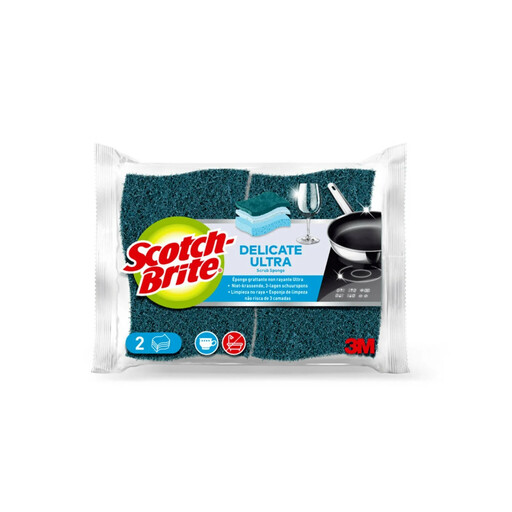
Why this choice suits this profile: This pack of two sponges covers everyday tasks in the kitchen and around the house, without forcing you to buy lots of accessories from the start.
Its three-layer design separates absorption, foam production and gentle scouring. However, test its compatibility on a small area before using it.
Two sponges included, with a synthetic sponge layer and an absorbent cellulose layer.
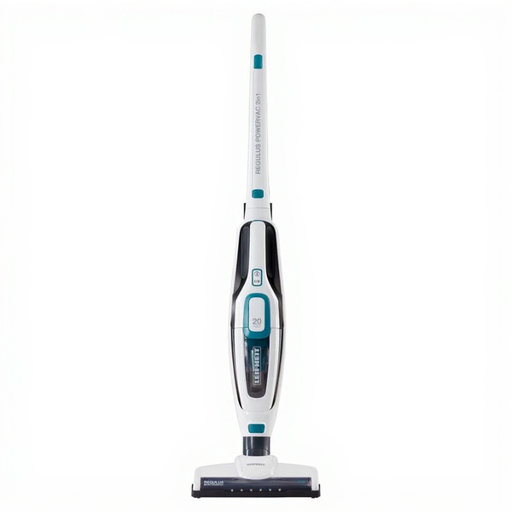
Why this choice suits this profile: Its versatile format suits households that want to use one tool on floors, tiles and windows.
Its ergonomic handle and claimed lightweight design reduce the discomfort often associated with awkward handles during repeated use.
Ergonomic handle, lightweight design and claimed compatibility with multiple surfaces.
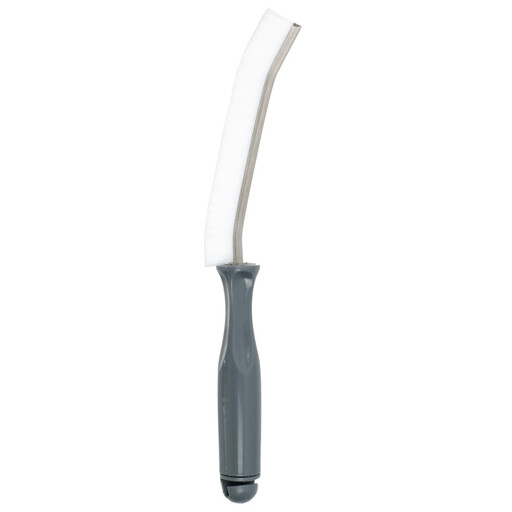
Why this choice suits this profile: This brush targets grout, corners, window tracks and nooks where a standard sponge lacks precision.
Its tough nylon bristles are designed for crevices. However, the recommendation to test the surface first avoids any nasty surprises.
Non-slip ergonomic handle and firm bristles suited to grout and corners.
For more targeted needs, you can round out your kit with a 33 cm wheel rim brush in chenille, a microfibre vent brush for the car and keyboard, or a Nuby silicone brush for baby bottles. Each accessory should be kept for its intended use to limit premature wear and scratches.
We’ve put together a comprehensive, real-time updated list of products that meet these demanding selection criteria and European safety standards.
A grout brush with firm nylon bristles and a narrow head is generally more practical than a large sponge. Apply moderate pressure and rinse the brush regularly to avoid redistributing dirt.
Rinse it after each use, remove any food debris and let it dry upright or in a ventilated holder. Replace it as soon as the bristles become misshapen, start falling out or continue to hold odours.
Yes, provided its length, diameter and material are suited to the bottle. Silicone and soft filaments are good for fragile containers, whereas a head that’s too rigid can leave marks. Always follow the manufacturer’s recommendations and dry the accessory completely after washing.