
Livraison le jour même ou le lendemain

Qualité garantie

Débloquez vos offres de bienvenue: Livraison GRATUITE | Jusqu'à -80 % | 30 jours d'essai gratuits à JoyPlus
Téléchargez l'application
A good cleaning brush can transform an endless chore into a quick, satisfying task. The problem? The market is saturated with models that make tempting promises but often disappoint in practice. To avoid wasting money, it's best to know the most common pitfalls.
As the Head of Product Recommendations at Joybuy, my job is to help you cut through the noise. Here are my tips and selection criteria for finding the perfect tool, whether it's for your home, car, or personal care routine.
To avoid these issues, here are the key features to look for before you check out.
The type of bristle determines your brush's effectiveness and lifespan.
An effective brush is, first and foremost, one that's well-designed for its specific task.
Enough theory—let's get practical. Here are a few models that caught our eye, each excelling in a specific area and meeting our quality standards.
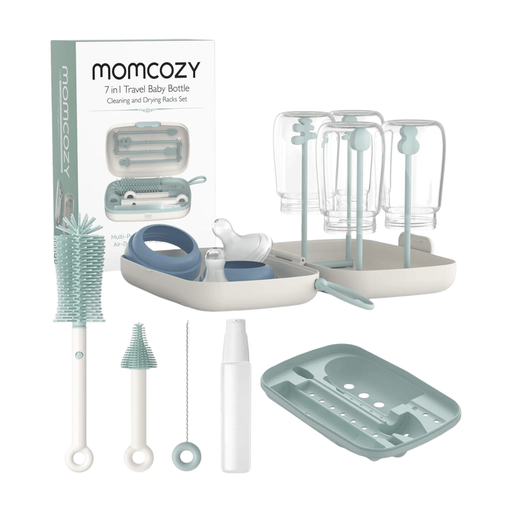
Why we chose it: This all-in-one kit was designed to simplify life for parents, both at home and on the go. It includes everything you need to clean bottles, nipples, and straws in a compact storage case that also doubles as a drying rack.
Its food-grade silicone heads won't scratch bottles. The all-in-one kit format ends the clutter of mismatched tools.
A complete, portable solution with a built-in drying rack. The silicone can be sterilized in boiling water for impeccable hygiene.
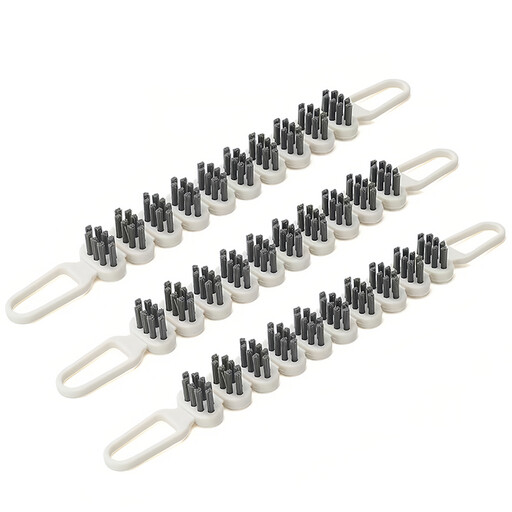
Why we chose it: This three-piece brush set is the secret weapon against dirt trapped in hard-to-reach areas. It's perfect for tile grout, window tracks, faucets, and all kinds of crevices.
It solves the ergonomic puzzle! Its thin, flexible head bends to reach the blind spots that a standard brush can't.
Its bendable design and bristles that are both flexible and sturdy allow you to deep-clean narrow areas without wearing yourself out.
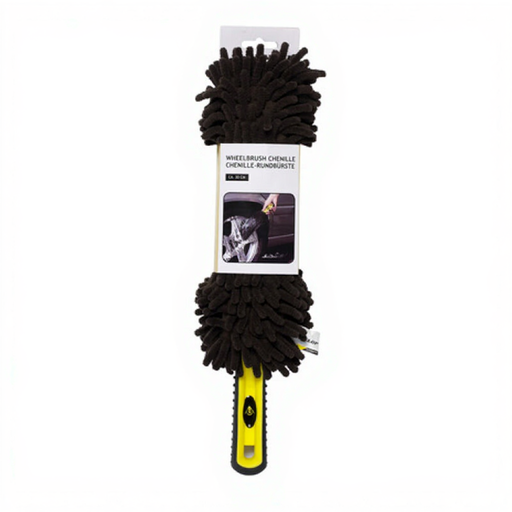
Why we chose it: Cleaning wheels, especially those with complex designs, requires a tool that won't scratch. This brush uses ultra-soft chenille microfibers to safely dislodge brake dust and grime.
It eliminates the risk of micro-scratches on alloy or painted wheels—a costly mistake that detailers who use overly harsh brushes know all too well.
Ultra-soft and absorbent chenille microfiber bristles. Its 33 cm length helps reach the back of the wheel, and its non-slip handle ensures an excellent grip.
We've curated a complete selection of products that meet our quality criteria and current safety standards.
The best practice: after each use, rinse it thoroughly with clean water to remove dirt and detergent residue. Shake out the excess water and let it air dry, ideally hanging or with the bristles facing up. This prevents moisture from pooling at the base of the bristles and damaging them. For kitchen or personal care brushes, a run through the dishwasher (if compatible) or an occasional soak in white vinegar will ensure perfect disinfection.
Yes, by far. Silicone is a non-porous material, which means it doesn't trap moisture, bacteria, or odours. It also dries much faster than plastic bristles. That's why it's the top choice for tools that come into contact with food (like bottle brushes for baby bottles) or skin (like facial cleansing brushes).
Go by visible wear and tear: flattened, deformed, or falling bristles are a sign that it's time for a replacement. A worn-out brush isn't just ineffective; it can also become a breeding ground for bacteria. For personal hygiene brushes (face, teeth), follow the manufacturer's recommendations, which usually suggest a replacement every 3 to 6 months.