
Livraison le jour même ou le lendemain

Qualité garantie

Débloquez vos offres de bienvenue: Livraison GRATUITE | Jusqu'à -80 % | 30 jours d'essai gratuits à JoyPlus
Téléchargez l'application
A good cleaning brush can turn a tedious chore into a quick, even satisfying task. The only problem: the market is flooded with models that look promising but often disappoint in practice. As the Head of Product Recommendations at Joybuy, I'm here to help you navigate the options and find the perfect tool, cutting through the marketing hype.
Before you fall for a particular model, let's review the deal-breaking flaws that make so many brushes ready for the bin after just a few weeks.
To avoid falling into this trap, focus on a few key points that determine a brush's performance and longevity.
This is the most critical factor. The bristle material must be perfectly suited to the surface you're cleaning and the type of dirt you need to remove.
The shape of the brush and its handle should be designed for its intended use.
With these guidelines, you're now equipped to sort through the options and focus on the models that will truly deliver on their promises.
To illustrate these tips in practice, here is a selection of products that meet very specific needs.
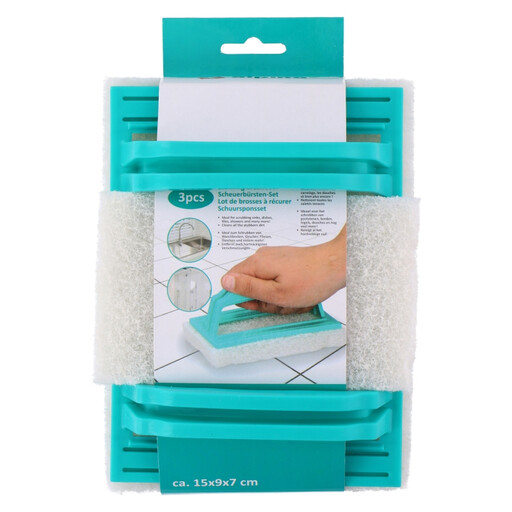
Why we chose it: Perfect for those looking for a simple, budget-friendly solution for common tasks. This set covers basic kitchen (dishes, sinks) and bathroom (tiles, showers) needs without the clutter.
The "mushroom" shape provides an ergonomic grip that makes scrubbing easier. The robust plastic bristles are designed to last longer than those on low-end brushes, preventing premature wear.
A versatile cleaning brush set that allows you to dedicate a brush to each area (kitchen, bathroom)—an excellent habit for impeccable hygiene.
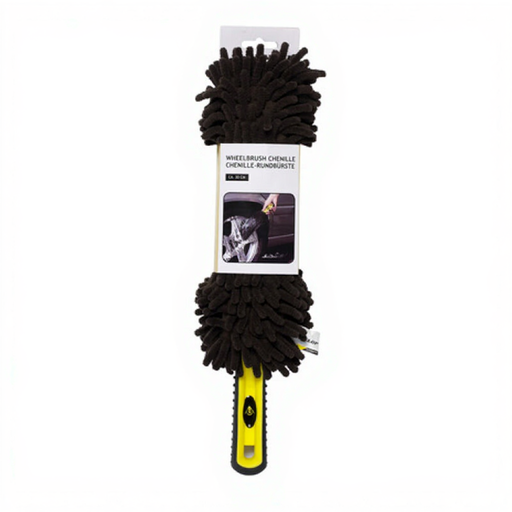
Why we chose it: For car enthusiasts who want to deep-clean their alloy wheels without risking a single scratch. A specialised tool for flawless results.
It debunks the myth of the universal brush. Its ultra-soft chenille microfibre bristles are specifically designed for painted and coated surfaces, unlike household brushes which can be abrasive.
Its 33 cm length allows it to reach the inner parts of the wheels, and its non-slip handle ensures an excellent grip, even with gloves or wet hands.
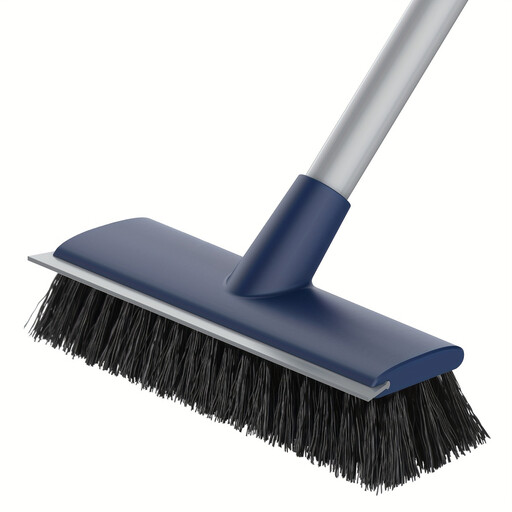
Why we chose it: For those who need to tackle tough, very dirty surfaces like a patio, garage, or a heavily soiled bathroom floor. A robust tool for deep cleaning without straining your back.
It solves the problem of sacrificed ergonomics. Its long, adjustable handle (up to 124 cm) and 45° angled head allow you to clean while standing, protecting your back and knees.
The 2-in-1 design with stiff bristles for scrubbing and a built-in squeegee to remove water makes it a complete and highly effective tool for bathroom or garage floors.
We have compiled a complete selection of products that meet our strict standards for quality and durability.
The lifespan of a brush depends on its quality and how often it's used. Judge by the condition of the bristles: if they are crushed, frayed, or no longer spring back into shape, it's time to replace it. For hygiene reasons, it's advisable to replace kitchen and bathroom brushes every 3 to 6 months.
This is strongly discouraged due to the risk of cross-contamination. The ideal practice is to use dedicated brushes for each area. A simple trick to avoid mixing them up: choose models in different colours.
After each use, rinse the brush thoroughly with clean water to remove dirt and detergent residue. Shake it out to remove excess water, then let it air dry. Ideally, hang it or place it with the bristles facing down to prevent moisture from collecting at the base, which can be a breeding ground for mould. Some plastic or silicone brushes are dishwasher-safe, but always check the manufacturer's recommendations before doing so.