
Livraison le jour même ou le lendemain

Qualité garantie

Débloquez vos offres de bienvenue: Livraison GRATUITE | Jusqu'à -80 % | 30 jours d'essai gratuits à JoyPlus
Téléchargez l'application
With the right cleaning brush, a dreaded chore can become a quick, even satisfying task. The problem? The market is saturated with models that promise the world but disappoint in practice. A brush whose bristles go flat after two uses, a handle that breaks your back, or worse, a tool that scratches your precious surfaces—these scenarios are all too common.
Before you buy, it's crucial to see through the marketing hype and focus on the features that truly make a difference. We'll explain how to avoid bad purchases and choose the perfect tool for every job, from home maintenance to caring for your vehicle.
To make the right choice, focus on a few technical criteria that determine the performance and lifespan of your cleaning accessory.
The type of bristle defines the brush's primary use. There are three main categories:
The handle design is crucial, especially for repetitive or lengthy tasks.
Instead of an exhaustive list, we've selected brushes that meet specific needs, matching a user profile with a product that avoids the most common pitfalls.
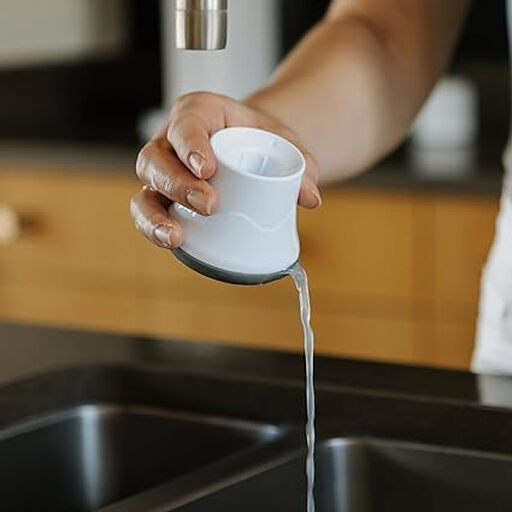
Why we chose it: For parents, cleaning baby bottles and cups is a daily task where hygiene is non-negotiable. This bottle brush checks all the boxes with its safe materials and smart design.
Its soft silicone bristles eliminate any risk of scratching bottles, whether they're plastic or glass. Unlike traditional bristles, silicone doesn't harbour bacteria and rinses clean in a flash.
The handle integrates a mini-brush for cleaning nipples, while its stand allows it to dry vertically, away from contaminants.
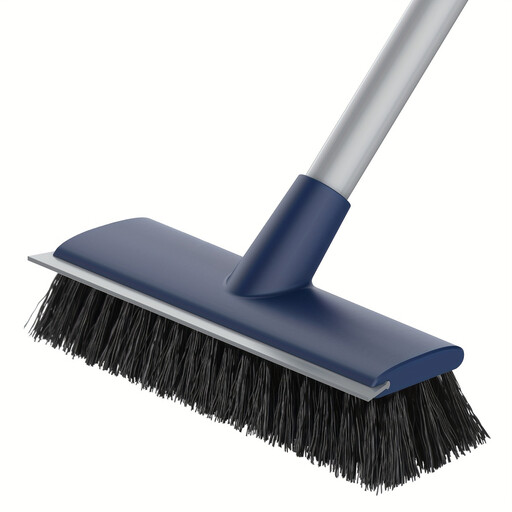
Why we chose it: Perfect for tackling large tiled areas, decks, patios, or garages. Its design is engineered for maximum efficiency with minimum effort.
It sidesteps the poor ergonomics trap with its long, adjustable handle (up to 124 cm) and 45° angled head, which save you from breaking your back. Its tough, durable bristles won't flatten at the first sign of a challenge.
Its 2-in-1 design is incredibly effective: a hard-bristled brush for deep scrubbing, and a built-in squeegee to whisk away dirty water. One pass is all it takes.
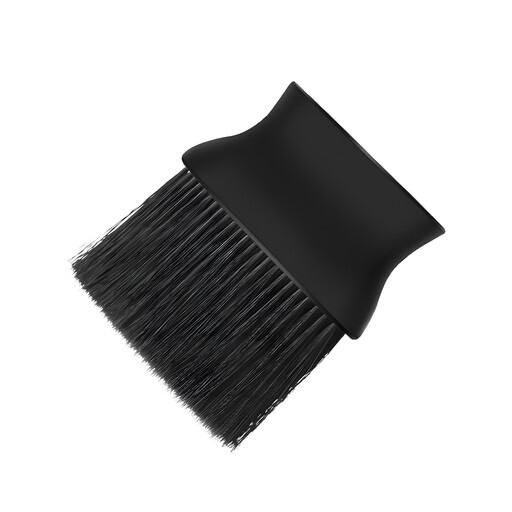
Why we chose it: Cleaning a car's interior requires pinpoint precision and a gentle touch to avoid damaging plastics, leather, and screens. This brush is specially designed to dislodge dust from the tightest corners.
It eliminates any risk of scratching thanks to its ultra-soft, dense bristles that capture dust without harming surfaces. Its 100% metal-free construction ensures no hard parts will scratch fragile materials.
Its ergonomic design and long, flexible bristles allow you to effortlessly reach air vents, crevices in the centre console, or seat seams—all the places where dust loves to hide.
We've put together a complete selection of products that meet our demanding selection criteria and current safety standards.
How do I clean and maintain a cleaning brush to extend its lifespan? After each use, rinse it thoroughly with warm water to remove dirt and cleaning product residue. Shake it out to remove excess water, then let it air dry. Ideally, hang it up or place it with the bristles facing down to prevent moisture from collecting at the base and damaging the bristles or handle.
Silicone brush or traditional bristle brush: which is better for bottles? For bottles, water bottles, and baby bottles, a silicone brush is generally the more hygienic option. Its nubs don't harbour bacteria, won't scratch surfaces, and are more resistant to wear and tear. A traditional bristle brush can be effective, but it needs to be replaced more often and dried carefully to prevent mould growth.
Can a hard-bristled brush scratch my bathroom tiles? Most ceramic or porcelain tiles are very durable and are not at risk from a hard-bristled brush made of polypropylene. As a precaution, always test on a small, inconspicuous area first before you begin. Caution is advised on natural stone (marble, slate) or high-gloss finishes, which are much more susceptible to scratching.