
Livraison le jour même ou le lendemain

Qualité garantie

Débloquez vos offres de bienvenue: Livraison GRATUITE | Jusqu'à -80 % | 30 jours d'essai gratuits à JoyPlus
Téléchargez l'application
Between promises of cleaning without products, low-cost multipacks and fabrics presented as universal, choosing cleaning accessories can quickly become complicated. A cloth that leaves streaks, an overly abrasive sponge or a wipe that tears after just a few uses can end up costing more than expected.
To make a more informed purchase, compare the material, format, intended use and care instructions. Here are the criteria to check before putting together a selection for your home, hotel, office, professional kitchen or vehicle.
A product described as versatile is not necessarily suitable for glass, stainless steel, screens or varnished surfaces. A scouring side may be suitable for a saucepan but scratch a delicate worktop. Conversely, a very soft cloth may lack the structure needed to remove dried-on residue.
The best approach is to check the usage recommendations and reserve each accessory for the right environment: glass-cleaning cloths for glass, multi-purpose sponges for washable surfaces and lint-free textiles for sensitive equipment.
A large multipack may seem economical, but its value depends on the format, fabric weight and durability. Wipes that are too small require several pieces to cover the same area. Low-density cloths absorb less and wear out more quickly.
For professional use, compare the cost per use, the number of possible washes and the ability to cover a given surface. For household use, a smaller but better-suited selection can help reduce clutter.
A washable cloth will not retain its properties if its fibres become clogged with fabric softener, grease or detergent residue. Some products must be washed at a controlled temperature, without fabric softener and without tumble drying.
Always read the instructions. An unsuitable washing routine can turn an absorbent microfibre cloth into a textile that simply spreads moisture around.
Microfibre, generally made from polyester and polyamide, contains numerous fine fibres that trap dust and moisture. It is suitable for dusting, cleaning windows and everyday cleaning, either dry or slightly damp.
Non-woven fabric can provide an even, low-lint surface that is practical for quick cleaning tasks. The W-Embossed Non-Woven Dry Wipes use 65 g/m² polypropylene non-woven fabric, with a W-shaped embossed texture designed to increase the number of contact points with dirt.
For sponges, check the composition of the absorbent section and the level of abrasiveness of the scouring side. Plant-based cellulose is suitable for many everyday tasks, while an abrasive surface should be tested on an inconspicuous area.
A 30 × 40 cm or 35 × 35 cm format is suitable for windows, mirrors, worktops and furniture. A longer format, such as 20 × 48 cm, covers more surface area and may be useful for cleaning large areas or professional equipment.
Fabric weight indicates the density of the textile, but it is not enough on its own to predict absorbency. Fibre structure, finish and the ability to retain liquids are also important.
A reusable cloth helps reduce waste when it is easy to care for and its service life matches your needs. Some products can be washed up to 500 times, provided the manufacturer’s recommendations are followed.
To protect the fibres:
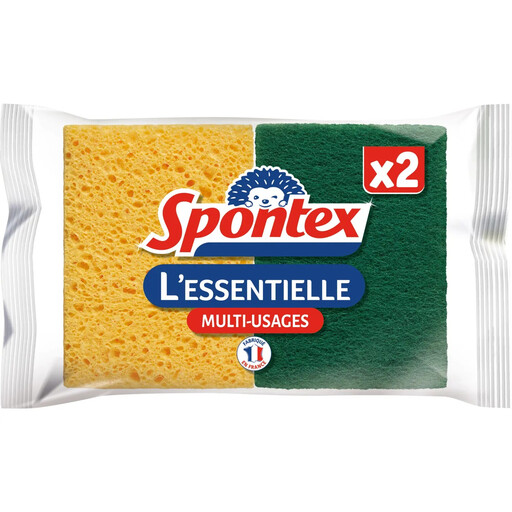
Why this choice suits this profile : This pack of two sponges handles everyday kitchen and bathroom cleaning tasks, while its compact format is easy to store.
Its two sides distinguish between scouring and gentle cleaning, helping you avoid using an abrasive surface everywhere.
PEFC-certified plant-based sponge, two pieces, stated to be made in France and replacement guidance of approximately two months.
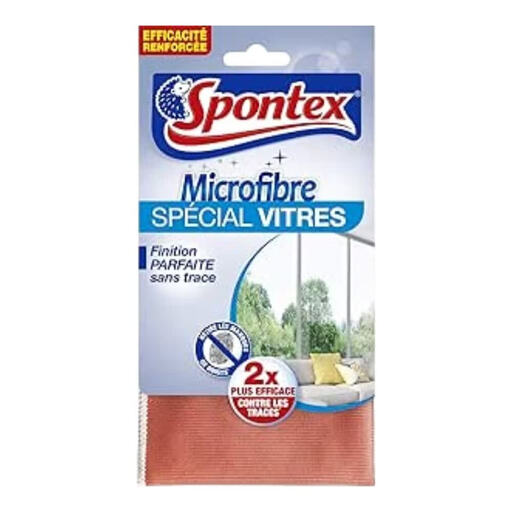
Why this choice suits this profile : Its 35 × 35 cm format is suitable for windows, mirrors and partition screens when a streak-free finish is the priority.
The product information states that it can be used with water only and recommends washing the textile at 60 °C without fabric softener.
Microfibre, compact format, dry or slightly damp use and a design stated to be 100% recyclable.
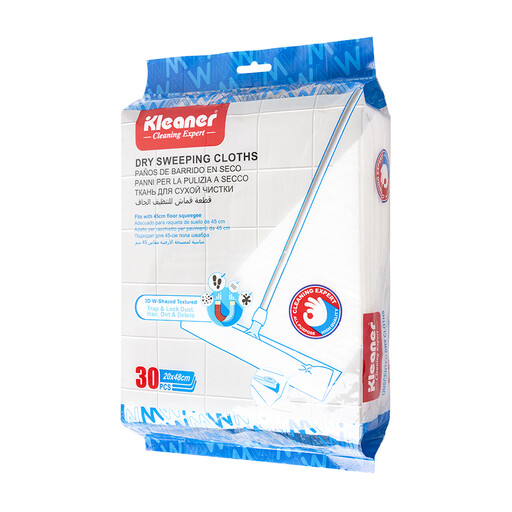
Why this choice suits this profile : Its large format and pack of 30 sheets meet the needs of commercial kitchens, offices, hotels, car workshops and industrial environments.
The 20 × 48 cm format reduces the need to constantly replace sheets when cleaning large surfaces, while the non-woven fabric is described as low-lint.
65 g/m² fabric weight, W-shaped embossing across the entire surface and dry use for dusting, wiping or polishing.
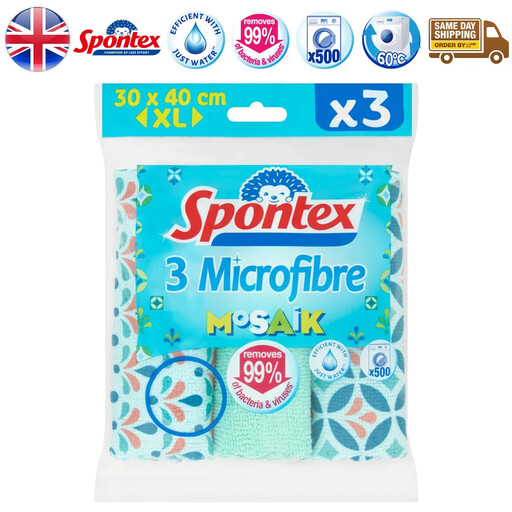
Why this choice suits this profile : This pack of three washable cloths lets you separate different tasks, such as kitchen cleaning, bathroom cleaning and dusting.
The stated ability to wash the cloths up to 500 times means you do not need to rely on disposable wipes for everyday cleaning.
Three 30 × 40 cm cloths, made from 85% polyester and 15% polyamide, suitable for dry or damp use with water.
We have put together a comprehensive, real-time updated list of products that fully meet these strict selection criteria and European safety regulations.
Assign a colour or area to each cloth to prevent items used in the kitchen, bathroom, on windows and on work surfaces from getting mixed up. For professional use, keep enough spare cloths available to allow for washing and drying without interrupting service.
Cleaning without products may be suitable for certain glass surfaces or light dust when the product instructions allow it. However, it does not automatically replace the hygiene procedures required in food-service or professional environments. For greasy stains, choose a method that is compatible with the surface and follow the manufacturer’s instructions.
A streak-free microfibre cloth, used dry or slightly damp, is generally suitable for glass. Use a clean side, avoid using too much water and do not use fabric softener when washing it. On very dirty glass, remove abrasive particles first to reduce the risk of scratching.
Its lifespan depends on how often it is used, the type of dirt it encounters and how it is cared for. A textile that can be washed up to 500 times has a stated reuse rating, but it should be replaced when it starts to fray, loses its absorbency or leaves more streaks.
That depends on their design and the manufacturer’s instructions. The non-woven model featured here is described as being for dry use, and its packaging contains 30 sheets per bag. It is therefore best to check the instructions before washing or reusing them, rather than assuming that they are reusable cloths.