
Livraison le jour même ou le lendemain

Qualité garantie

Débloquez vos offres de bienvenue: Livraison GRATUITE | Jusqu'à -80 % | 30 jours d'essai gratuits à JoyPlus
Téléchargez l'application
Navigating the vast world of cleaning and maintenance accessories can quickly become overwhelming. Between marketing promises and the reality of daily use, how many products end up forgotten in the back of a cupboard?? As the Head of Product Recommendations at Joybuy, my mission is to help you cut through the noise. Let's break down the most common pitfalls together so you can make choices that are genuinely useful and sustainable.
Equipping yourself with the right tools is the foundation of effective maintenance. But be warned, a few classic mistakes can turn a promising purchase into a completely useless expense.
To avoid falling into these traps, focus on a few objective technical criteria. These indicators will help you judge a product's real performance, far beyond the marketing claims on the packaging.
The material is the heart of the matter. Each type has its own strengths?:
A good tool should be comfortable and practical to use. Look for the shapes and details that make a difference?:
A reusable accessory is a smart investment. Check the following points?:
Instead of an endless list, here are our targeted recommendations by user profile, based on the selection criteria we've just covered.
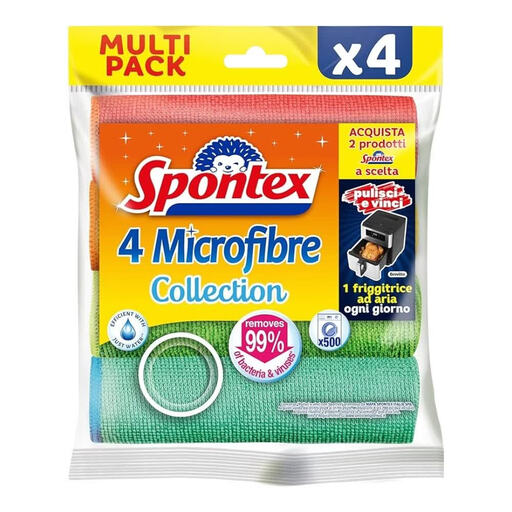
Why we chose it : This profile seeks solutions that reduce waste and chemical use. These cloths are designed to be effective with water alone and can be reused hundreds of times.
It avoids the disposable product trap. Washable up to 500 times, it's a sustainable investment that replaces hundreds of paper towel rolls or conventional sponges.
According to independent lab tests, these cloths remove up to 99 % of certain bacteria and viruses from glass or tiled surfaces using only water.
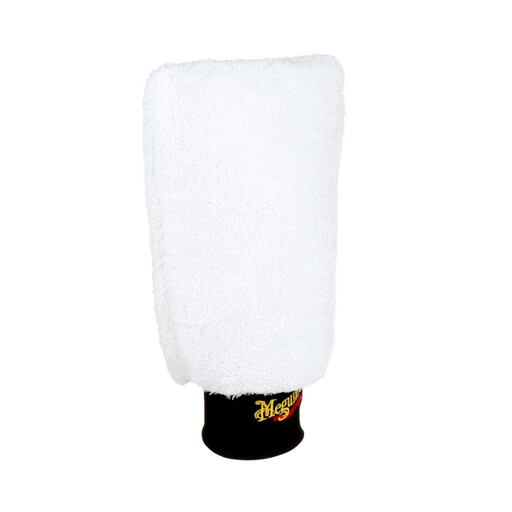
Why we chose it : When maintaining a vehicle, protecting the paintwork is paramount. This mitt is specifically designed for a gentle wash, with fibres that trap dirt to prevent micro-scratches.
It avoids the false 'scratch-free' promise trap. Its ultra-soft, thick microfibre structure is designed to lift dirt, minimising the risk of friction and swirl marks on the clear coat.
Its extremely high absorbency allows it to hold a large amount of soapy water, ensuring constant, safe lubrication during the wash.
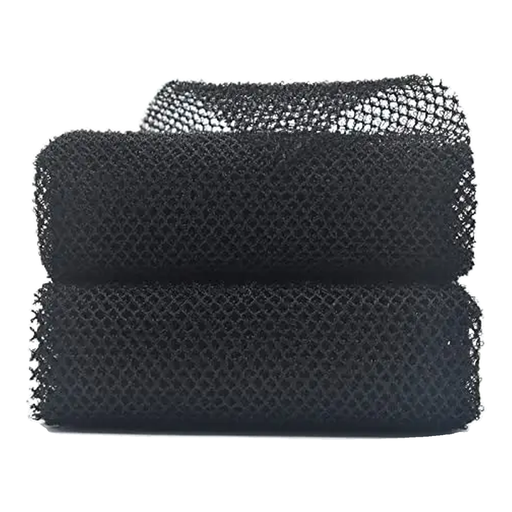
Why we chose it : This profile looks for a specific and effective care experience. The African exfoliating sponge is a traditional tool renowned for its deep exfoliating action, far superior to that of a classic exfoliating mitt.
It avoids the 'mediocre multipurpose' trap. This is a highly specialised accessory. Its nylon net structure dries very quickly, which prevents mould and bacteria—a common flaw in traditional shower loofahs.
Its elongated design with an integrated rope allows you to easily reach and exfoliate difficult areas like the back, providing a full-body treatment.
To preserve your washable sponge, rinse it thoroughly with clean water after each use and let it air-dry in a well-ventilated area. Avoid leaving it to soak in water. For a deep clean, most models can be put in the washing machine (usually at 40?°C or 60?°C) or the top rack of the dishwasher. Always check the manufacturer's instructions and avoid fabric softener, which reduces their absorbency.
Yes, that's one of the main advantages of a microfibre cloth. Its structure is made of fibres thousands of times finer than a human hair. This density creates a vastly increased contact surface that mechanically traps dust, dirt, and grease. For 90?% of common cleaning tasks, using only water with a good quality microfibre cloth is enough to achieve a clean, streak-free surface.
The difference lies in the material, texture, and purpose. A conventional cleaning sponge is usually made of cellulose or a synthetic polymer, designed to absorb and clean surfaces. An African exfoliating sponge (or bath net) is made of nylon, with a knotted net texture that does not absorb water. Its role is not to clean surfaces, but to exfoliate the skin by removing dead skin cells. It is much more durable and hygienic than a shower loofah because it dries almost instantly.