
Livraison le jour même ou le lendemain

Qualité garantie

Débloquez vos offres de bienvenue: Livraison GRATUITE | Jusqu'à -80 % | 30 jours d'essai gratuits à JoyPlus
Téléchargez l'application
By Joybuy, our product expert | Updated: August 26, 2026
Switching to LED lighting is an excellent way to lower your electricity bill. But be warned: the market is a jungle where marketing claims often fall short. Between unrealistic lifespan figures and misleading power ratings, it's easy to end up with buyer's remorse. This guide will help you avoid the common pitfalls and focus on the features that truly matter for a smart and sustainable investment.
Before you jump on the first deal you see, keep these common mistakes in mind, as they can be costly in the long run.
To make a truly cost-effective purchase, rely only on these three technical indicators. They are the true reflection of a bulb's performance and quality.
Since the overhaul of the energy label, achieving a Class A rating has become a real technical challenge, reserved for top-tier products. This classification guarantees minimum consumption for maximum brightness. To go a step further, look at the lumens/watt ratio: a high-performance bulb should ideally exceed 200 lm/W. For example, a 4W 840-lumen bulb offers a remarkable efficiency of 210 lm/W, which translates to direct savings on your bill.
An advertised lifespan of 50,000 hours is a sign of high-quality components. This figure doesn't mean the bulb will suddenly burn out after this period. It corresponds to the L70B50 standard, which indicates the time after which 50% of the bulbs in a batch will retain at least 70% of their original light output. It's the assurance of stable lighting over time, which postpones the chore (and cost) of replacement.
These two values are the pillars of your visual comfort.
No more endless lists. To help you see things more clearly, we've matched specific products to user profiles, so you can find the option that's truly right for you.
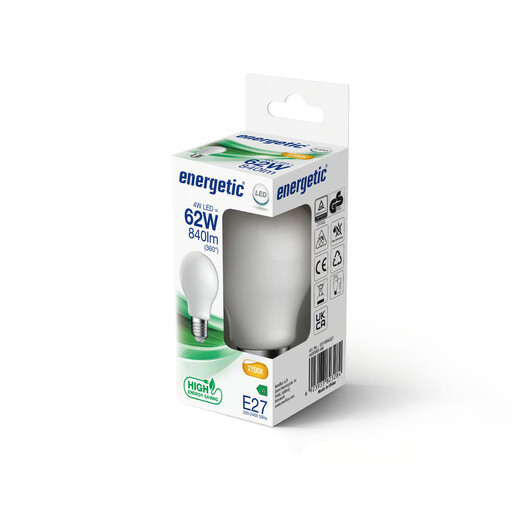
Why this choice? For those who want to cut their energy costs as much as possible. Ideal for property managers or individuals looking to equip their entire home with an ultra-economical solution built to last.
There are no empty promises here. Its specs are verifiable: Class A, 840 lumens for 4W, and a lifespan of 50,000 hours. It shatters marketing claims about efficiency and longevity.
One of the lowest running costs on the market thanks to its record-breaking efficiency (210 lm/W) and near-zero replacement frequency.
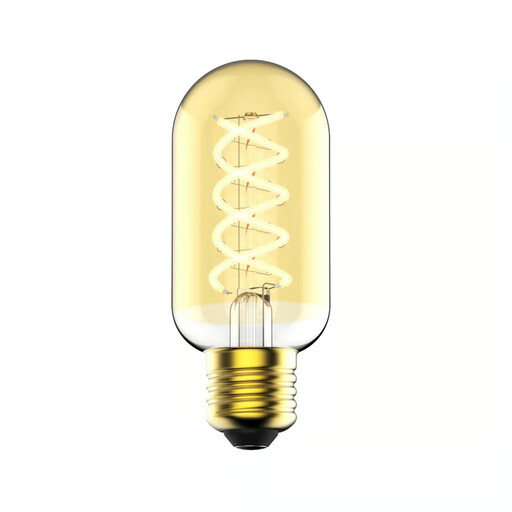
Why this choice? For those who prioritise aesthetics and atmosphere above all else. Perfect for open light fixtures, designer pendants, or bedside lamps where the bulb itself is a decorative object.
It avoids the trap of an unsuitable colour temperature by offering a very warm white (2200K) that is fully embraced for an intimate atmosphere. Its dimmer compatibility provides full control over the intensity, a rare feature on standard models.
Its decorative design with amber glass and a spiral filament, combined with dimming capabilities to sculpt a custom atmosphere.
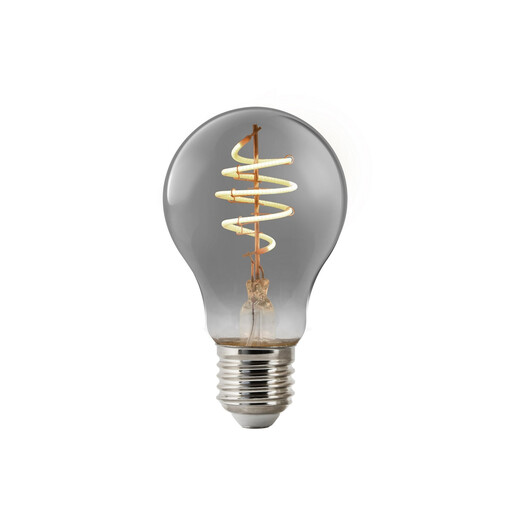
Why this choice? For the user seeking the convenience of remote control. Ideal for integrating lighting into home automation scenes, scheduling turn-on times, or simply dimming the lights from the sofa.
It meets a specific need that classic bulbs ignore. In addition to its refined aesthetic (smoked glass, 1800K), it adds the magic of control via the Nordlux Smart app for total command.
Remote control of on, off, and dimming via a mobile app, combining sleek design with intuitive technology.
We have selected a full range of products for you that meet our quality criteria and current safety regulations.
Yes, without a doubt. Although its purchase price is slightly higher, the savings on your electricity bill and replacement frequency make it far more advantageous. A Class A bulb consumes up to 60% less energy than a lower-class LED bulb for the same brightness. Over 50,000 hours, the savings amount to tens of euros per bulb.
Only if the packaging and product sheet explicitly state it. The magic word to look for is "dimmable" or "dimmer compatible". Trying it with a standard bulb can cause flickering, buzzing, and permanently damage both the bulb and your electrical system.
This is a nominal average lifespan, not an absolute guarantee for every single bulb. Calculated according to industry standards (like L70B50), it remains a very reliable indicator of component quality. Choosing a bulb with such a long lifespan is your assurance of investing in a product designed to last much longer than conventional alternatives.