
Livraison le jour même ou le lendemain

Qualité garantie

Débloquez vos offres de bienvenue: Livraison GRATUITE | Jusqu'à -80 % | 30 jours d'essai gratuits à JoyPlus
Téléchargez l'application
Between notepads, pocket notebooks and mixed-media paper, the range can quickly feel overwhelming. A student doesn’t necessarily need the same format as an architect, a teacher or a drawing enthusiast. To avoid buying something that doesn’t quite fit, it’s worth looking at four key criteria: paper weight, ruling, binding and portability.
This selection of Clairefontaine Rhodia paper pads and notebooks brings together models designed for note-taking, filing, drawing and creative hobbies. The aim: to help you tell the genuinely useful features apart from the vague marketing claims.
A notebook with a high page count may contain fewer detachable sheets than a comparable pad. So always check whether the manufacturer is referring to sheets or pages, and whether the paper is printed on one side or both.
The Rhodia pads featured here typically contain 80 sheets per pad. Thanks to the micro-perforation, these tear out cleanly – handy for handing in a lesson, filing a note or getting rid of a page you’ve messed up.
A compact notebook slips easily into a pocket, but naturally offers less room to write. Conversely, an A4+ pad gives you more space for tables, diagrams and lecture notes, at the cost of being bulkier to carry.
For a student bag or everyday use on the go, A6, A5 or intermediate sizes are often the most practical. For professional folders, plans and schoolwork, a stapled A4+ exercise book will be more comfortable.
Writing paper at 80 gsm works well with pens, pencils and everyday note-taking. It can’t replace a thick art surface for ink, gouache or acrylic. For those uses, a 250 gsm mixed-media paper does a better job of resisting moisture-related warping, though you should still follow the recommendations for each medium.
Paper weight refers to the weight of the paper per square metre. An 80 gsm paper is light and perfectly suited to school and office supplies. At 250 gsm, a paper like that in some Paint’ON pads is thicker and aimed more at drawing and mixed media.
The surface also matters. A smooth vellum paper gives a consistent feel under the pen, while a textured paper adds more grip for pencils, pastels or washes.
A 5 x 5 mm grid pad is especially useful for organising tables, calculations, diagrams, plans and technical sketches. A violet ruling stays visible while being relatively discreet on the page.
Micro-perforated sheets tear out along a pre-cut line. Before ordering, check the position of the binding: side stapling lets you write as you would in a notebook, while top stapling is better suited to a lecture-pad style of use.
A rigid cardboard back lets you write without a table – on the train or during a meeting. It’s a very welcome detail for a Rhodia notepad used on the move.
Also remember to check the exact dimensions. A standard A4 format measures roughly 21 × 29.7 cm, while an A4+ usually offers a bit of extra margin. Smaller sizes, such as 8.5 × 12 cm or 10.5 × 14.8 cm, are better suited to lists and quick notes.
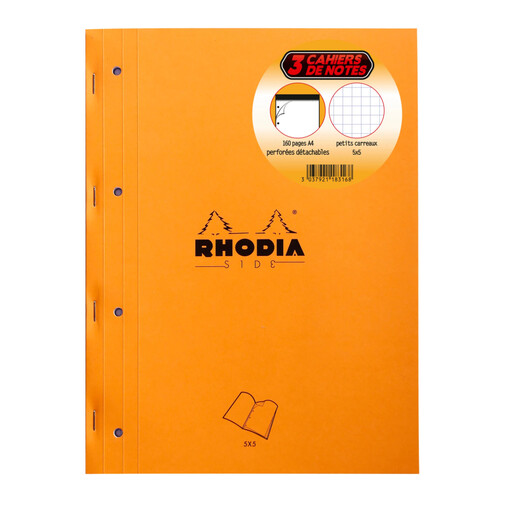
Why this choice suits this profile: This pack of three A4+ pads is ideal for students, families and anyone who wants to spread their notes across several subjects or work locations.
The number of sheets is clearly stated: 80 sheets per pad, with micro-perforation and a rigid back. Just make sure the size fits your folder or bag.
80 gsm Clairefontaine vellum paper, violet ruling, rigid cardboard back and PEFC certification stated.
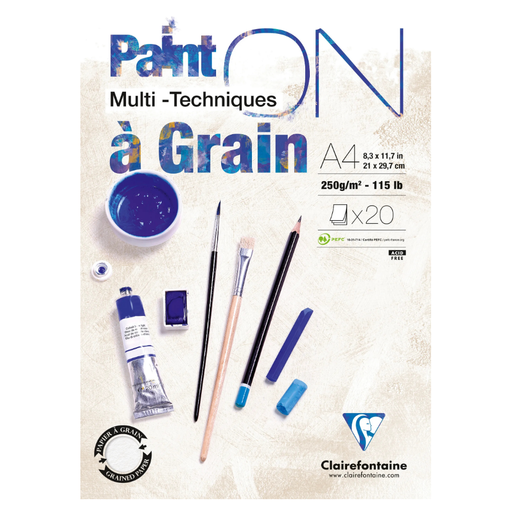
Why this choice suits this profile: This pad is aimed at artists and drawing enthusiasts who want to move from pencil to ink, gouache or acrylic without changing their surface.
With its 250 gsm weight, there’s no risk of mistaking it for a simple 80 gsm writing pad. The listing mentions two grain levels, so you can choose the finish you prefer.
100% cellulose paper, extra white, grain on both sides and stated compatibility with dry and wet techniques.
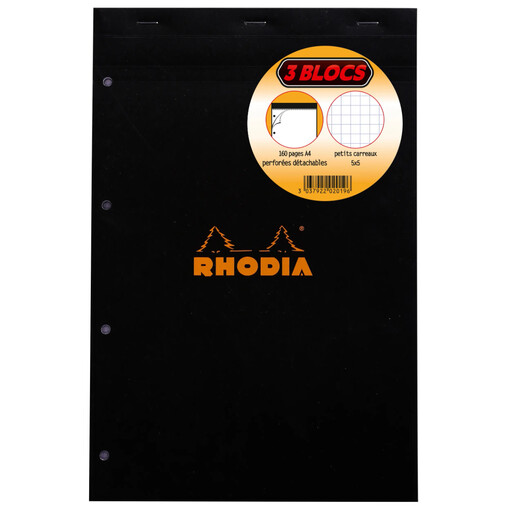
Why this choice suits this profile: Professionals, teachers and students who switch between notes, tables and diagrams will appreciate this well-structured A4+ format.
The 5 × 5 mm grid is clearly stated, as are the 80 micro-perforated sheets per pad. You can quickly check that it matches your filing or technical drawing needs.
Pack of three, 80 gsm Clairefontaine vellum paper, rigid back and orange and black covers as per the product listing.
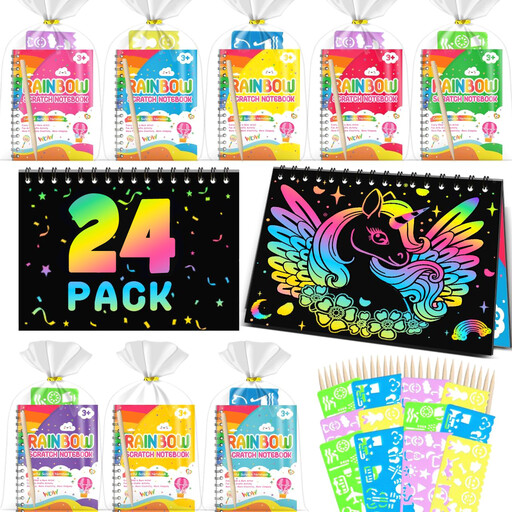
Why this choice suits this profile: This creative kit for children is great for workshops, birthday parties and quiet activities at home, with several notebooks to hand out.
The contents are detailed: 24 notebooks, 240 sheets of scratch paper, 24 wooden styluses, stencils and gift bags. Check the recommended age and ensure appropriate supervision.
Compact A6 format, no-water-no-glue activity and all materials included so you can get started straight away.
We’ve put together a full, real-time updated list of products that fully meet these strict selection criteria and European safety regulations.
An A5 or intermediate size offers a good balance between portability and writing space. For very short lists, a compact 8.5 × 12 cm notebook may be enough. If you need to draw tables or take detailed lecture notes, go for an A4 or A4+ format.
This ruling makes it easier to align writing, tables, geometric figures, plans and diagrams. It works well for students, professionals and technical drawing enthusiasts alike. For writing text, however, horizontal lines may feel more comfortable.
It is generally more suitable than 80 gsm paper for mixed media, ink, gouache or acrylic. The result still depends on the amount of liquid used, the drying time and the materials you choose. Always check the product specifications before starting your project.