
Livraison le jour même ou le lendemain

Qualité garantie

Débloquez vos offres de bienvenue: Livraison GRATUITE | Jusqu'à -80 % | 30 jours d'essai gratuits à JoyPlus
Téléchargez l'application
A notebook that buckles under ink, pages that tear out badly, or a size that’s too bulky for your bag can quickly turn a stationery purchase into a wasted expense. Whether you’re a student, teacher, professional or drawing enthusiast, choosing between an exercise book, notepad and notebook depends less on looks and more on a few practical features.
Clairefontaine Rhodia notebooks and pads cover a wide range of uses, from everyday note-taking to revision cards. Before you place your order, though, it’s worth steering clear of three common mistakes.
An A4 notebook gives you plenty of room for tables, diagrams and detailed lecture notes, but it naturally takes up more space in your bag. An A6 notebook, on the other hand, is easy to carry around, but its limited space makes it better suited to lists, reminders or quick sketches.
A5 is a good all-rounder for a notebook, journal or multi-purpose pad. Always check the exact dimensions: a size described as “close to A4” might measure 21 × 31.8 cm without matching a standard A4 sheet exactly.
A glued binding works well for a notebook that needs to stay compact and lie flat when open. A stapled binding is better suited to notepads whose pages are meant to be filed or handed out. A spiral-bound notebook makes it easy to flip through and can stay open on a single page, but it can take up more room in a folder.
Micro-perforated sheets are handy if you want to remove a page cleanly, file it in a ring binder or hand in an assignment. They’re unnecessary, however, for a personal notebook you plan to keep intact.
Paper weight alone isn’t enough to judge quality. Recycled 80 gsm paper can be perfectly fine for writing and light drawing, while 170 gsm paper is better suited to index cards or certain creative techniques. Remember to check the ruling, finish and compatibility with your intended use: fountain pen, felt-tip or pencil.
For everyday use, 80 gsm paper offers a good balance between lightness and writing comfort. The Clairefontaine paper used in several Rhodia products is known for its smooth surface, while some Zap Book notebooks are made with 100% recycled, acid-free, pH-neutral paper.
PEFC or FSC labels indicate that the raw materials come from responsibly managed forestry sources, according to the manufacturer’s information. They don’t guarantee that every component of the product is recycled. So check the cover, binding and paper separately.
An A4 or A4+ notebook is suitable for desk work, bulky course notes and documents that need filing. An A5 notebook slips more easily into a backpack. An A6 notebook can fit in a pencil case, a jacket pocket or a small bag.
If you also carry a laptop, check that a 15.6-inch laptop backpack can hold your notebooks and the rest of your gear. Well-separated compartments stop pages from getting bent against accessories or chargers.
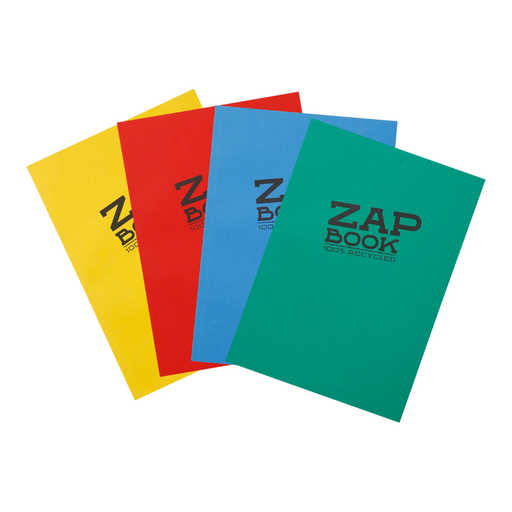
Why this choice suits this profile: The A5 size is versatile for a first purchase: writing, light drawing and organising daily tasks.
Its 160 sheets and glued binding mean you don’t need to buy lots of small notebooks for different uses.
80 gsm paper, 100% recycled, acid-free and pH-neutral.
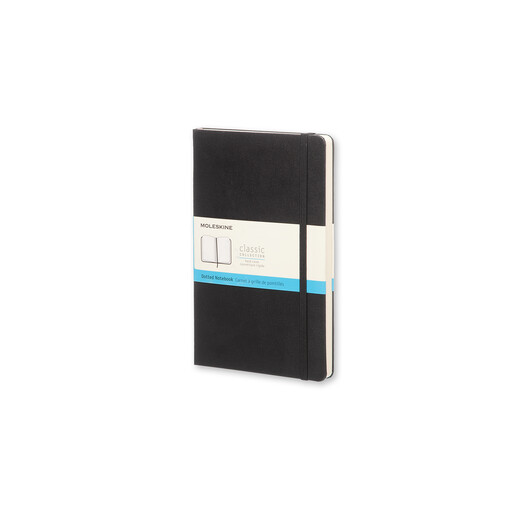
Why this choice suits this profile: Its hard cover and storage features make it a great companion for work, appointments and creative projects.
The hard cover protects the pages, while the elastic closure stops it from opening accidentally in your bag.
70 gsm acid-free ivory paper, elastic closure, bookmark and inner pocket.
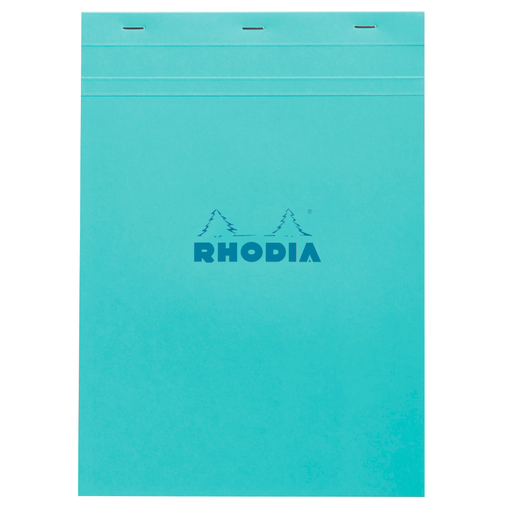
Why this choice suits this profile: Students, teachers and professionals working on diagrams or calculations benefit from a regular grid and pages that are easy to file.
The micro-perforation and four holes make it simple to file removed pages.
80 sheets of 5 × 5 mm grid paper, rigid card back and purple ruling.
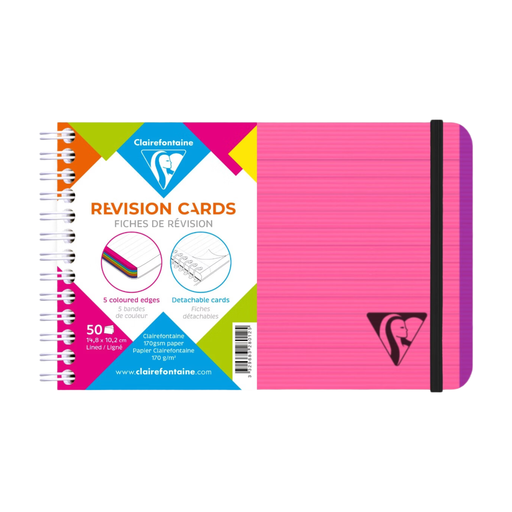
Why this choice suits this profile: Its compact size lets you revise on public transport, in the library or between classes.
The five coloured dividers stop you from mixing up subjects or chapters within the same pad.
50 lined cards on 170 gsm paper, lies flat and has a polypropylene cover.
We’ve put together a comprehensive, real-time selection of products that meet these strict criteria and European safety requirements.
Seyès-ruled notebooks are still the standard for school writing and structured note-taking. For maths, tables or diagrams, go for a 5 × 5 mm grid notebook. An A4 or A4+ size gives you more space for detailed lesson notes.
It works well for pencil, pen, sketches and light drawing. For wet techniques or heavily inked felt-tips, check the manufacturer’s recommendations and consider a thicker paper. A dedicated sketchbook will be more suitable than a standard notepad.
A stapled notepad generally lies flat and lets you remove pages, especially if they’re micro-perforated. A spiral-bound notebook makes it easier to turn pages over and open to a double-page spread. So the choice really depends on how you like to file things and how much space you have in your bag.