
Livraison le jour même ou le lendemain

Qualité garantie

Débloquez vos offres de bienvenue: Livraison GRATUITE | Jusqu'à -80 % | 30 jours d'essai gratuits à JoyPlus
Téléchargez l'application
Looking for a Clairefontaine Rhodia graph paper notebook for school, the office or technical drawing? Between notebooks, notepads and squared-paper pads, the differences go beyond the colour of the cover. Choosing the wrong format, an impractical binding or sheets that are difficult to file can quickly turn a promising purchase into a disappointment.
Before placing your order, here are the main pitfalls to avoid and the criteria to consider when looking for the paper product that really suits your needs.
A notebook described as “A4” may measure 21 × 29,7 cm, while a Rhodia pad measuring 21 × 31,8 cm offers a slightly longer writing area. This difference can be important when you need to draw a table, annotate a plan or organise your notes across several columns.
By contrast, a 5 × 5 mm graph paper notebook in A6 or pocket format is effortless to carry, but inevitably offers less room for complex diagrams.
A stapled binding works well for sheets you plan to detach, but the notebook does not always stay open flat. A glued or spiral binding makes it easier to write on both sides of the page, although it can take up more space in your bag.
Micro-perforated sheets are ideal for handing over a note or filing a page. Just check that the perforations match your lever-arch file, ring binder or filing system.
Paper weight alone does not define the writing experience. 80 g/m² paper is lightweight and perfectly suited to everyday pens. 90 g/m² paper feels denser and more pleasant, particularly when using a fountain pen or fine-tip felt pen. The surface finish, such as Vélin Velouté paper, also affects how smoothly the nib glides.
Small squares are ideal for structured note-taking, calculations, tables, diagrams and sketches. They make it easy to align headings and columns without imposing an overly rigid layout.
For school use, make sure the ruling is visible enough without overwhelming the page. The Rhodia models featured here notably use purple ruling across several pads.
An A4 notebook or large-format notepad will be more suitable for an architect or engineer than a compact notebook. For a bag used every day, an A5 notebook is generally easier to handle.
A hard cover or reinforced card backing lets you write without a table, whether in a meeting room, on a bench or directly on site. A spiral binding makes it easier to open the notebook flat, while a detachable notepad focuses more on filing and sharing.
The PEFC mark indicates that the paper comes from forests managed in accordance with the requirements of the relevant certification system. This information relates to paper sourcing and should be distinguished from its writing properties.
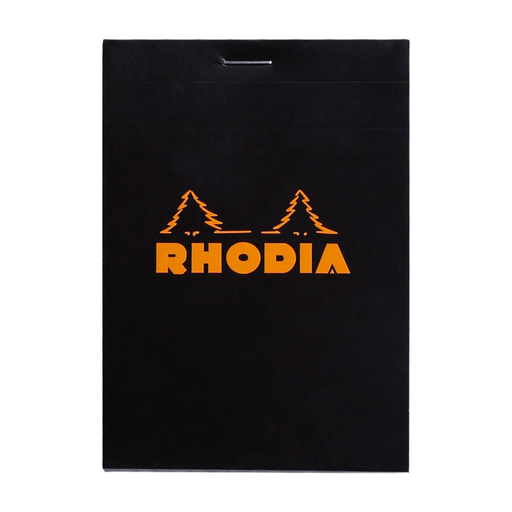
Why this choice suits this profile: Measuring 8,5 × 12 cm, it slips into a pocket or small pouch, keeping a list, reminder or a few calculations close at hand.
Its rigid backing lets you write without looking for a table, while the micro-perforated sheets tear out neatly.
80 sheets, 5 × 5 mm ruling, Clairefontaine vellum-finish paper weighing 80 g/m² and stated PEFC certification.
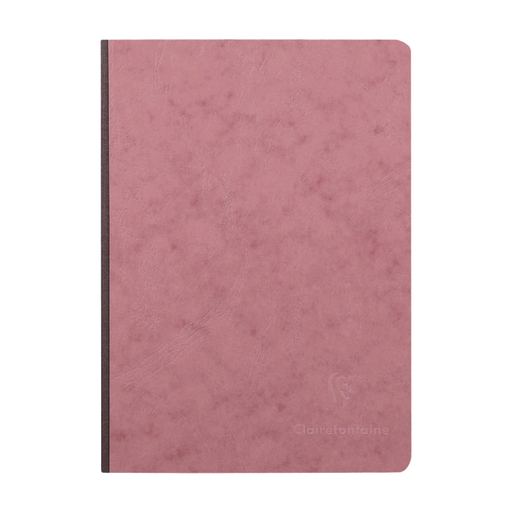
Why this choice suits this profile: This A5 notebook combines a textured cover, a matching fabric spine and a lay-flat opening, making it ideal for taking notes, drawing or organising your day-to-day life.
Its format remains easy to carry while offering 192 pages, so you will not need to replace a notebook used every day too often.
Clairefontaine Vélin Velouté paper weighing 90 g/m², 5 × 5 mm ruling, stated French manufacture and PEFC certification.
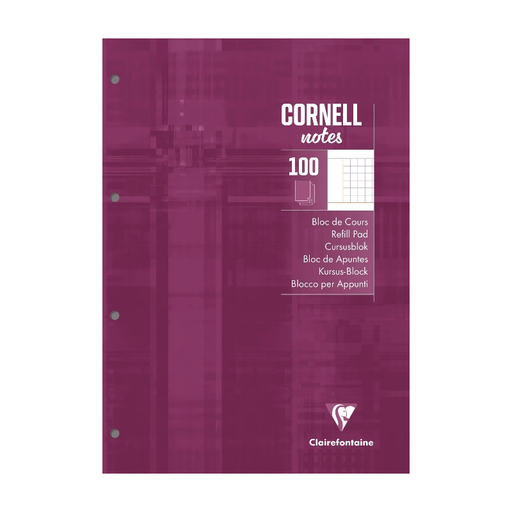
Why this choice suits this profile: Its A4 format and Cornell layout are designed for students, teachers, engineers and professionals who need to structure a large volume of information.
Its 200 detachable pages and four perforations spaced 80 mm apart make it easy to file in a compatible ring binder.
Vélin Velouté paper weighing 90 g/m², micro-perforated sheets, an ultra-rigid spine and a laminated card cover described as water-resistant.
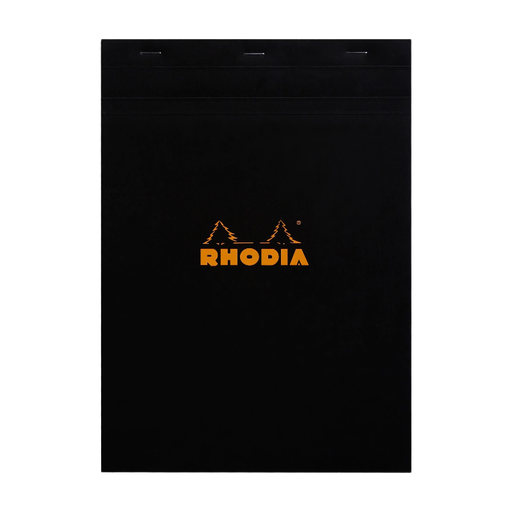
Why this choice suits this profile: This 21 × 29,7 cm pad provides enough space for plans, diagrams, calculations and notes that require a large squared writing area.
The A4 format prevents tables or technical drawings from being cramped onto a surface that is too small.
80 sheets, 80 g/m² paper, 5 × 5 mm ruling, rigid card backing and micro-perforated tear-out sheets.
We have brought together a complete, real-time selection of products that meet these exacting criteria while complying with European safety regulations.
A Rhodia graph paper pad generally stands out for its detachable sheets and rigid backing. It is particularly well suited to notes that need to be handed over or archived. A bound Clairefontaine notebook offers greater continuity when you want to keep a complete set of lessons or follow a project over time.
For use on the go, a spiral notebook or a notebook that opens flat can be more comfortable. The A5 Nomaddict models notably feature a binding designed to stay open, with 90 g/m² Vélin Velouté paper. However, they do not meet the same need as a four-hole pad intended for filing.
Before buying, check:
A5 is practical for travelling and everyday note-taking. For detailed lessons, tables or diagrams, an A4 notebook provides a considerably more comfortable writing area. The right choice also depends on how much room you have in your bag and on your filing method.
80 g/m² paper can work well for moderate writing, but the result depends on the ink, nib and pressure applied. To reduce the risk of show-through or ink bleeding through the page, choose a suitable pen. If you regularly write with a fountain pen or felt-tip pen, 90 g/m² paper will generally offer greater peace of mind.
It all depends on how many pages you use each day, how often you travel with it and how well the cover is protected. An 80-sheet pad is suitable for a one-off project or separate notes. A 192-page notebook or a 200-page model will be better suited to regular use, provided you keep it dry and avoid dog-earing the pages.