
Livraison le jour même ou le lendemain

Qualité garantie

Débloquez vos offres de bienvenue: Livraison GRATUITE | Jusqu'à -80 % | 30 jours d'essai gratuits à JoyPlus
Téléchargez l'application
A Clairefontaine Rhodia notebook can be used for taking notes in class, organising a project, preparing for exams or keeping sketches. But with so many sizes and binding types available, the choice is less straightforward than it seems. A grid notebook doesn't offer the same comfort as a Séyès one, while a micro-perforated notepad doesn't meet the same needs as a bound journal.
Before placing an order, three mistakes often crop up:
The right size depends above all on your daily use:
A large format isn't necessarily the most suitable. Think about measuring the space available in your bag, your folder and on your desk.
The ruling directly affects the comfort and legibility of your writing:
Also remember to check the colour of the lines. Some models use a violet grid, while Séyès notebooks may feature multi-coloured lines.
Clairefontaine 80 gsm paper is suitable for everyday writing, pencils and many pens. 90 gsm Vélin Velouté paper is thicker and offers a different writing feel. For revision cards that are handled frequently, a 170 gsm weight provides welcome rigidity.
Here are the features to consider:
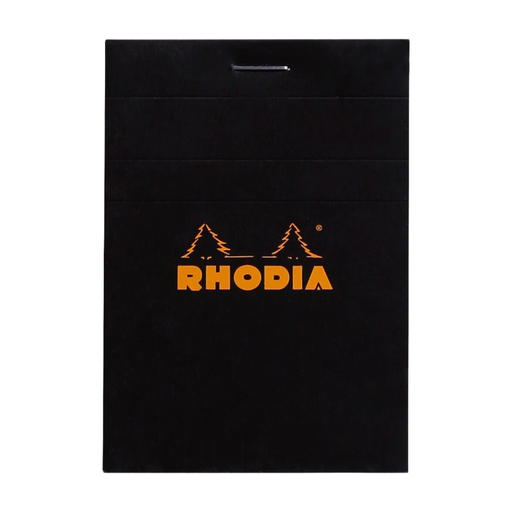
Why this choice suits this profile: At 7.4 × 10.5 cm, this little notebook slips easily into a pocket or compact bag for jotting down an address, a list or an idea on the go.
Its compact size stops you paying for a large unused surface, while its 80 micro-perforated sheets tear out cleanly.
5 × 5 mm grid, 80 gsm paper, rigid cardboard back and PEFC certification indicated.
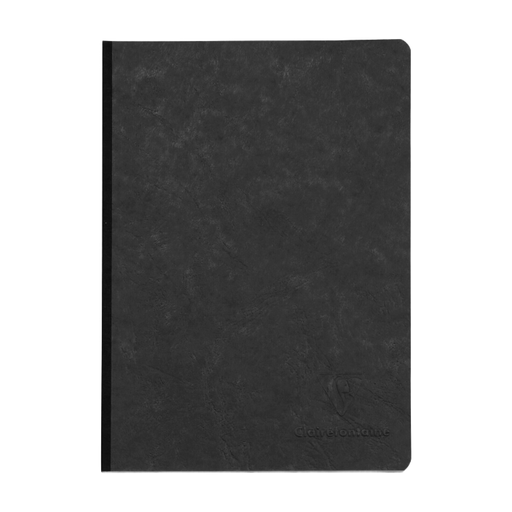
Why this choice suits this profile: This A5 notebook combines a textured cover, matching cloth spine and 192 pages for regular use at work, while travelling or at home.
The lay-flat binding reduces the annoyance of the centre crease, while the format is still much easier to carry than an A4 notebook.
90 gsm Vélin Velouté paper, 5 × 5 mm grid and 192 pages.
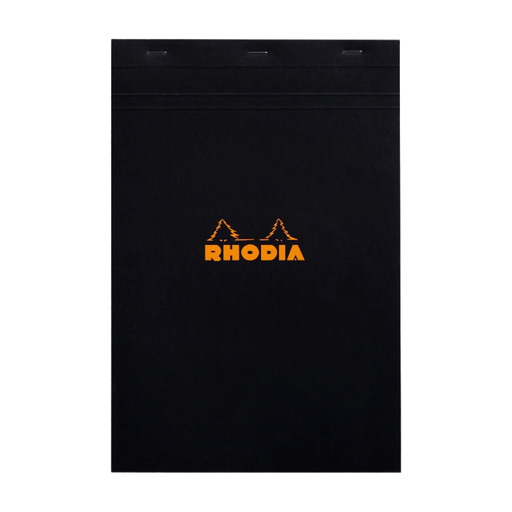
Why this choice suits this profile: Its 21 × 31.8 cm format is suitable for architects, students, teachers and professionals who work on large grids, tables or diagrams.
The violet 5 × 5 mm grid helps structure your layouts, while the rigid back lets you write without needing a desk.
80 micro-perforated sheets, Clairefontaine 80 gsm paper and rigid cardboard support.
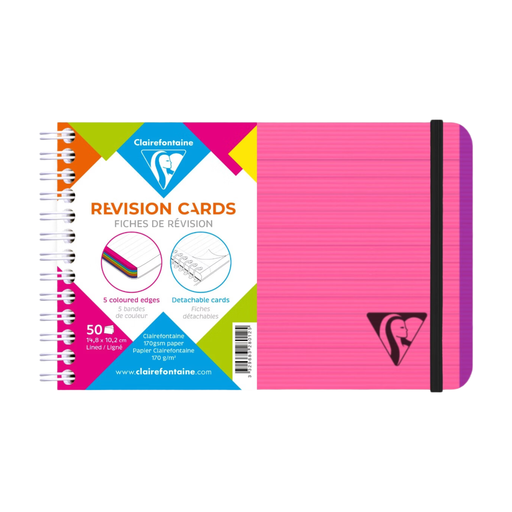
Why this choice suits this profile: The 50 lined cards and five coloured dividers make it easy to prepare revision cards organised by subject or topic.
The 170 gsm weight is clearly stated for the cards, which avoids confusing a simple notebook with a proper revision tool.
Full opening, polypropylene cover and five coloured sections.
We've put together a comprehensive, real-time selection of products that fully meet these demanding criteria and European safety regulations.
A Séyès notebook is suitable for writing exercises and lessons that require presentation in line with French school habits. For maths, tables and diagrams, a 5 × 5 mm grid notebook offers a more regular framework.
80 gsm paper is designed for everyday writing, but the result depends on the pen, the ink and the amount deposited. For a thicker feel, some references use 90 gsm Vélin Velouté paper. It's best to test the result on a page before committing to heavy use.
A lay-flat binding makes it easy to write on both sides and is suitable for notebooks used daily. A micro-perforated notepad is more practical if you regularly need to pass on, file or remove sheets. For a sketchbook, a spiral binding offers a clear surface once open and more flexible handling.