
Livraison le jour même ou le lendemain

Qualité garantie

Débloquez vos offres de bienvenue: Livraison GRATUITE | Jusqu'à -80 % | 30 jours d'essai gratuits à JoyPlus
Téléchargez l'application
By Joybuy Product Recommendation Officer
Choosing an exercise book isn’t just about grabbing the first one you see. The size, cover, binding and paper all affect writing comfort and how long it lasts. For a pupil, student or professional, a poorly sized book can make storage tricky, while a cover that’s too flimsy or unsuitable paper may wear out quickly.
The Clairefontaine 24 x 32 cm squared exercise book meets a very specific need: offering a larger writing surface than an A4 book, while keeping the Séyès ruling that French school habits are built on. Here are the points to consider before buying, along with a selection of models for different uses.
A 24 x 32 cm book gives you more space than a standard A4 format, but it also takes up more room in a bag or locker. Check the internal dimensions of your storage, especially if you need to carry several subjects.
For everyday use, this size is particularly handy for taking detailed notes, adding diagrams or slipping sheets into the flaps. If you prefer something more portable, a lined A5 notebook will be easier to fit into a small bag.
A colourful or glossy cover isn’t necessarily a sign of durability. Friction, bent corners and moisture are usually the first things to cause wear after a few weeks.
An exercise book with a polypropylene cover offers simple, effective outer protection. On Koverbook models, the cover also includes two large flaps for keeping sheets, cards or bookmarks safe without needing a separate folder.
The term “grands carreaux” often refers to Séyès ruling, but it’s best to confirm this on the product page. The number of pages and paper weight also affect writing comfort. For everyday note-taking, 90 g/m² paper works well with most pens and pencils. A weight of 140 g/m² is more suitable for drawing and certain wet techniques.
For lessons at primary or secondary school, go for Séyès ruling, with horizontal lines and spacing suited to school handwriting. A 96-page Séyès exercise book offers a comfortable capacity for a subject you study regularly, without becoming too bulky.
The 24 x 32 cm size leaves plenty of room for headings, annotations and tables. It’s also practical when you need to stick in documents that are close to A4 size.
Lightweight and easy to clean with a dry or slightly damp cloth, polypropylene is a practical everyday solution. The built-in flaps let you keep a few loose sheets to hand, but they won’t replace a folder if you need to carry a full set of documents.
When choosing a sturdy school exercise book, also check the binding. Stapled models stay compact and work well for everyday use. A sewn binding, like on some sketchbooks, is better if you often open the book flat.
For lessons, note-taking or a diary, the 90 g/m² Vélin Velouté paper on the Clairefontaine models featured here offers, according to the manufacturer, a particularly smooth surface. For drawing, it’s better to go for a 140 g sketchbook. This weight suits dry techniques and light watercolour, as long as you work gradually to limit paper warping.
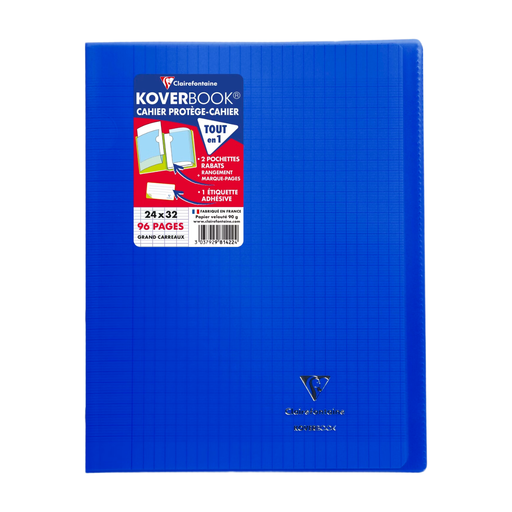
Why this choice suits this profile: This exercise book is ideal for pupils and students who want to combine note-taking and storage in one product. Its 24 x 32 cm size, 96 pages and Séyès ruling are perfectly suited to everyday school use.
The transparent polypropylene cover protects the pages, while the two flaps reduce the need for an extra folder.
96 pages, 90 g/m² Vélin Velouté paper, two storage flaps and a customisable label.
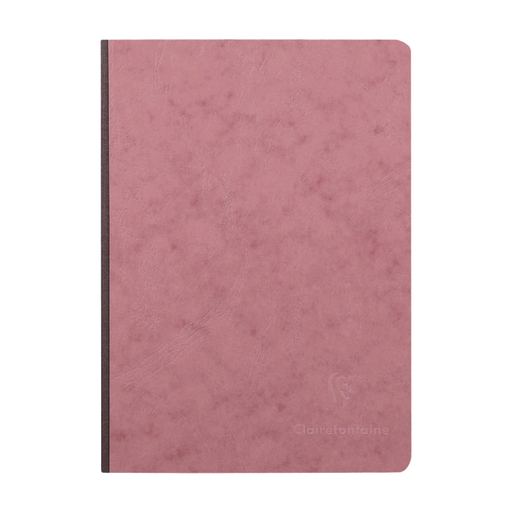
Why this choice suits this profile: With its 14.8 x 21 cm size, this notebook is aimed at those looking for a note-taking companion with a soft, stylish cover – perfect for keeping a diary, planning your day or taking professional notes.
The fabric spine and tinted cardboard cover give it a look that’s different from a standard school exercise book, without claiming to be waterproof.
192 pages, 90 g/m² Vélin Velouté paper, lays flat thanks to the fabric spine and made in France.
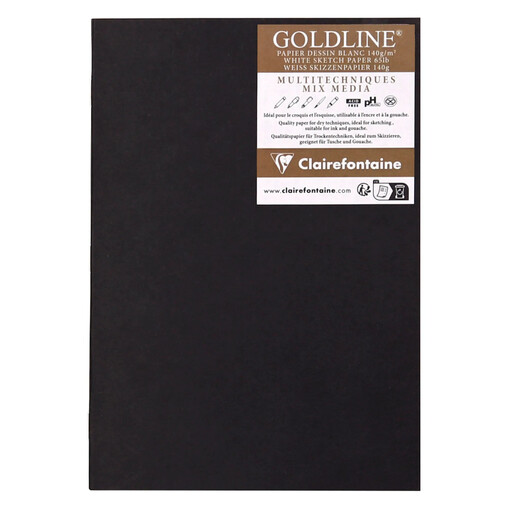
Why this choice suits this profile: This sketchbook is aimed at artists, art students and sketching enthusiasts who need paper that’s different from a Séyès exercise book for working with pencil, charcoal, pastel or watercolour.
Its 140 g/m² paper is clearly intended for dry techniques and watercolour. This stops you from using an ordinary school exercise book for art projects.
20 sheets of 140 g/m² white paper, sewn binding and lays flat for drawing.
Your bag is just as important as your exercise book. A 25 to 30 L cycling backpack is suitable for trips between home and school or work, especially if you need to carry books, clothes and A4 documents. The Inateck RollTop model featured here offers an adjustable volume of 25 to 30 L, a padded compartment for laptops up to 17 inches and several pockets.
Its polyester construction with a water-repellent film and splash-resistant zips are designed to limit exposure to moisture, without guaranteeing full waterproofing. Check the details of the 17-inch laptop backpack to make sure it’s compatible with your equipment.
We’ve put together a complete, real-time updated selection of products that meet these demanding criteria and European safety standards.
Yes, it’s perfect for school note-taking if you want more surface area than an A4 exercise book. Just remember to check your school’s requirements and the space available in your bag.
It depends on how often you use it, how you transport it and how you store it. The polypropylene cover and flaps help limit external wear, but it’s best to avoid prolonged exposure to water and overfilling the pockets.
For keeping a diary, organising your day or writing, a lined or grid A5 notebook is ideal. For watercolour and dry techniques, go for a 140 g/m² sketchbook like the GOLDLINE model rather than a Séyès exercise book designed for school note-taking.