People having a snack after exercise
If they’re going to the cinema after a workout, they can compare the protein per 100 g with the amount they plan to eat, without assuming all nuts and dried fruit provide the same amount.


If protein is your top priority when choosing a cinema snack after exercise, compare the values per 100 g before choosing between plain almonds and a dried fruit and nut mix. Auchan and E.Leclerc list 26 g for Seeberger almonds with no added salt and 11.4 g for a Tokapi mix, respectively. Taste, sugars, salt, allergens and pack size matter too; a protein content alone does not automatically qualify a product as “high in protein”.
If they’re going to the cinema after a workout, they can compare the protein per 100 g with the amount they plan to eat, without assuming all nuts and dried fruit provide the same amount.
Whether you’re choosing unsalted almonds, a seasoned option or a mix containing dried fruit, check the ingredients and the “salt” and “sugars” figures to find the flavour you’re after.
Before offering it to others, check the ingredients, allergens and any “may contain” warnings on the exact pack, then follow the storage instructions if there’s any left.
To compare plain nuts, salted options and mixes with dried fruit, start with what matters most for your trip to the cinema: protein, ingredients or sharing.
| What to consider | What to check | Who is it for? |
|---|---|---|
| Protein | Compare the protein per 100 g and check the ingredients. For nutritional values, the DGCCRF notes that figures per 100 g make comparisons easier. | After exercise, I want to choose my snack based on its stated protein content, rather than relying on the name “nuts and dried fruit” alone. Around 42% of consumers prioritise this. |
| Salt and sugars | Check the “salt” and “sugars” figures per 100 g, then look for seasonings and dried fruit in the ingredients. | For a film snack, I prefer to know what’s in the product before choosing salted almonds or a mix with dried fruit. Around 33% of consumers put limiting salt and sugars first. |
| Sharing and storage | Check the net quantity, allergens and any “may contain” warnings. If the pack has been opened, follow the product’s storage instructions. | If several people are sharing from the same pack, I want to be able to check the allergens and store any leftovers properly. This is the top priority for around 25% of consumers. |
E.Leclerc’s product listing for the Tokapi mix of nuts, almonds and dried fruit gives 11.4 g of protein and 35.7 g of sugars per 100 g. Its ingredients are not the same as those in a pack of almonds on their own.
If protein is guiding your choice, compare the values per 100 g and read the ingredients before choosing a mix for its variety.
According to its product listing, Auchan roasted almonds may contain traces of peanuts, other nuts, gluten, soya, sesame and sulphites.
Before sharing a product with someone who has an allergy, check the information on the pack itself, even if the recipe looks simple.
For its 400 g pack of roasted almonds with no added salt, Auchan advises resealing the pack after opening and consuming the almonds within 15 days.
Choose a pack size that suits the number of people and follow the storage instructions for the pack you buy.
Carrefour offers a 200 g pack of roasted almonds with no added salt.
E.Leclerc offers, among other products, a 250 g pack of Couleurs Vives peeled roasted almonds with no added salt.
Auchan offers roasted almonds with no added salt in 200 g and 400 g packs.
Monoprix offers a 120 g pack of Monoprix Bio roasted and salted almonds.
ALDI offers a TRADER JOE'S® roasted almond product with no added salt.
These packs of unsalted cashews and flavoured almonds offer different tastes and sizes for a trip to the cinema. To compare their protein content or allergens, check the information for the product you’re considering.
 Image unavailable
A pack to consider if you’d prefer unsalted cashews to flavoured almonds while watching a film. Check the nutritional information to compare protein content. Before sharing with someone who has an allergy, read any “may contain” warnings on the pack.
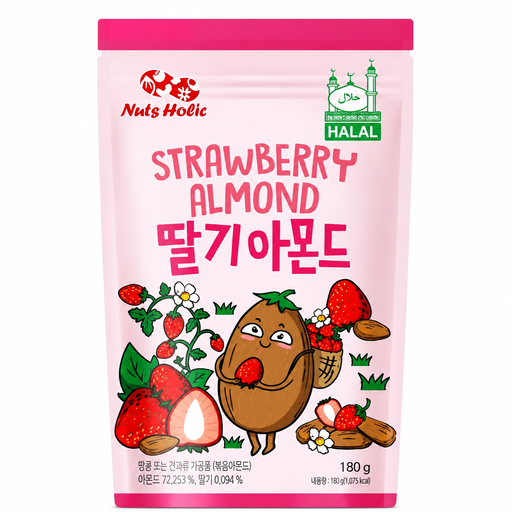 Image unavailable
This size could work well as a sharing pack if you’re after a strawberry flavour rather than plain almonds. The sweet coating may affect your choice if you’re looking to limit sugars; check the allergens before sharing, too.
 Image unavailable
This 30 g pack makes an individual almond snack with a honey butter flavour. It’s a seasoned option rather than a plain or no-added-salt choice; check the ingredients and allergens if these matter to you.
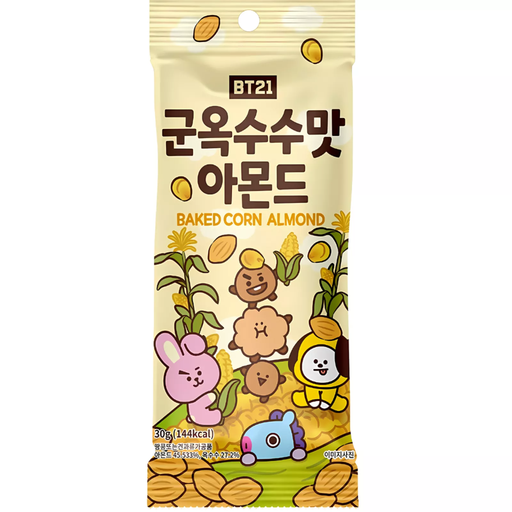 Image unavailable
Another 30 g individual pack, this option combines almonds with a roasted corn flavour. As it isn’t plain, compare the ingredients and protein per 100 g if you’re deciding between this and unseasoned nuts.
Not automatically. “High in protein” is a nutrition claim governed by European Union regulations, not another way of saying “contains protein”. When choosing a product, read its nutrition declaration and check the claim actually shown on the packaging.
Look for an unsalted option, then compare the “salt” figure for the exact product. Manger Bouger recommends unsalted and unsweetened nuts. To compare two product listings, Auchan gives 0.02 g of salt per 100 g for Seeberger almonds with no added salt, compared with 0.56 g per 100 g on the listing for Monoprix Bio roasted and salted almonds.
Don’t assume they have the same protein content. The Tokapi mix featured by E.Leclerc includes nuts, almonds, cranberries and raisins, among other ingredients, and lists 11.4 g of protein and 35.7 g of sugars per 100 g. Compare the protein per 100 g with the pack of almonds you’re considering. If ingredient variety is your priority, take the mix’s ingredients into account too.
Read the ingredients, allergens and any “may contain” warnings on the pack you’ll be sharing. The DGCCRF highlights the importance of the information shown on prepacked foods. Auchan’s roasted almond listing notes that traces of peanuts, other nuts, gluten, soya, sesame and sulphites may be present.