People hosting at Christmas
Whether you’re putting together a dessert platter or serving them with hot drinks, the pack size and number of pieces can help you plan how to serve them.


For a sharing platter, look at thin waffles in a gift tin. For individual portions, compare soft all-butter waffles with Liège waffles that can be warmed through. The recipe name or presentation alone won’t tell you which to choose: check the ingredients, allergens, number of pieces and nutritional information per 100 g.
Whether you’re putting together a dessert platter or serving them with hot drinks, the pack size and number of pieces can help you plan how to serve them.
The recipe matters more than the gift tin: check the stated butter content, other ingredients and nutritional values for the product you’ve chosen.
Before serving your guests, check the allergens and any ‘may contain’ warnings on the packaging, then compare the sugars and fat per 100 g.
First decide whether you want a sharing platter, individual portions or something to serve warm. Then look at the recipe for each product.
| Criteria | What to check | Who it’s for |
|---|---|---|
| Recipe and texture | Type of waffle, fats used and the proportion of butter, if stated. | If I’m looking for a soft all-butter waffle, the recipe matters more than how the pack looks; around 36% of consumers put recipe and texture first. |
| Size and portions | Net weight, number of pieces and pack format, depending on the number of guests and other desserts. | When putting together a Christmas platter, I want to know how many pieces I can serve; pack size is the main priority for around 29% of consumers. |
| Ingredients and nutrition | Allergens and ‘may contain’ warnings on the packaging; sugars and fat per 100 g. | When guests have dietary requirements, I need to check each pack before serving; around 21% of consumers make ingredients their priority. |
| Serve warm or straight away | Reheating instructions and equipment needed, or whether the waffles can be served as they are. | If dessert needs to arrive at the table warm, I need to allow time to prepare it; ease of serving is the top priority for around 14% of consumers. |
To give you an idea of how recipes can differ, Auchan lists 25% butter for its Le Chalet des Gaufres soft waffles, while Carrefour lists 22% for its La Dunkerquoise thin waffles in a gift tin. Liège waffles aren’t necessarily all-butter: the Lotus and P’TIT DELI product listings at E.Leclerc specify vegetable oils and margarine respectively.
The name describes a type of waffle, not all the fats used in it. The Lotus and P’TIT DELI products listed by their retailers have different ingredients from an all-butter recipe.
Read the ingredients list for the exact product you’re considering.
Carrefour’s listing for La Dunkerquoise waffles mentions wheat, milk and eggs, as well as possible traces of almonds. The presentation of the gift tin won’t tell you whether it’s suitable for your guests’ dietary requirements.
Check the packaging you receive, including any ‘may contain’ warnings, before serving.
Net weight alone doesn’t tell you how many waffles are in the pack. For example, Auchan lists 16 pieces in its 400 g pack of Le Chalet des Gaufres.
Count your guests and consider the other desserts, then compare the stated weight and number of pieces.
A product listing doesn’t guarantee that the item will be available at your chosen store on the day of your meal.
Check the product, store and collection date before finalising your menu.
Listings that let you compare thin waffles in a gift tin with sugar-topped Liège waffles.
A retailer where you can look at soft all-butter waffles as well as thin waffles.
P’TIT DELI listings let you distinguish between Liège waffles and sugar-dusted waffles, among other varieties.
The retailer’s listing includes a 500 g pack of ten LES PÂTISSADES Liège waffles.
Worth considering if you’d rather make waffles at home than buy ready-to-serve ones.
These products suit different ways of serving: waffles to warm up, Brussels waffles to keep in the freezer, and wafers in a gift tin for a platter. Wafers aren’t a substitute for soft waffles.
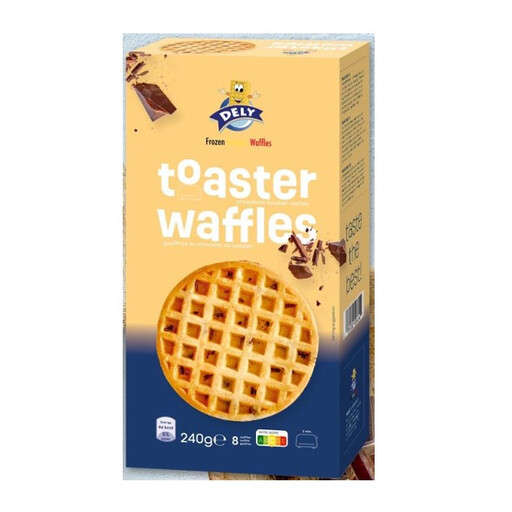 Image unavailable
For warm, chocolatey portions, these waffles can be reheated in a toaster or oven. The ingredients include vegetable oils and fats rather than an all-butter recipe. They contain wheat, eggs, milk and soya: check the packaging before serving.
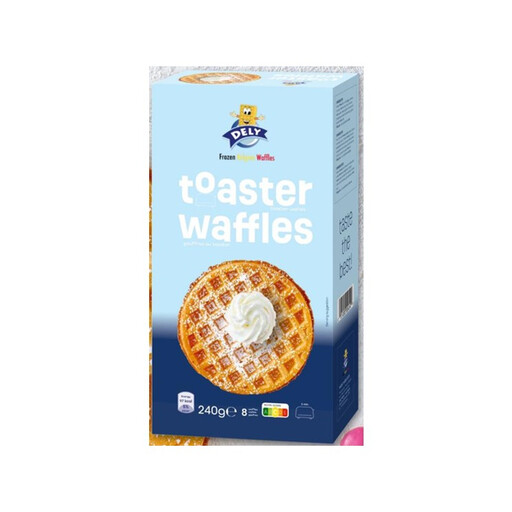 Image unavailable
The plain variety lets you choose what to serve with them at dessert time, and the listing says they can be reheated in a toaster or oven. The recipe includes vegetable oils and fats. The product contains wheat, eggs, milk and soya: check the packaging you receive.
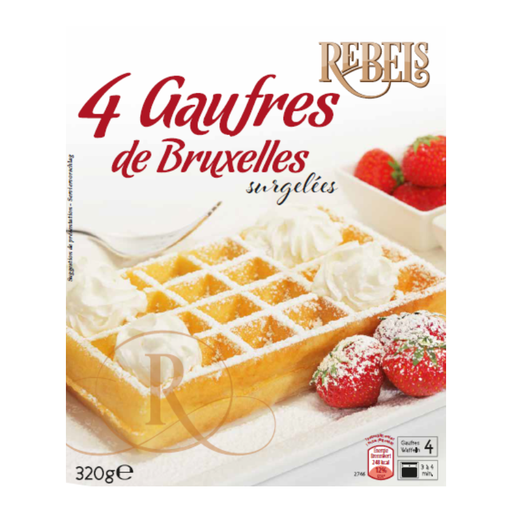 Image unavailable
To serve these Brussels waffles warm, use an oven or toaster. They must be stored at −18 °C, and the recipe includes vegetable oil and liquid margarine. They contain wheat, egg and soya: check the packaging before serving.
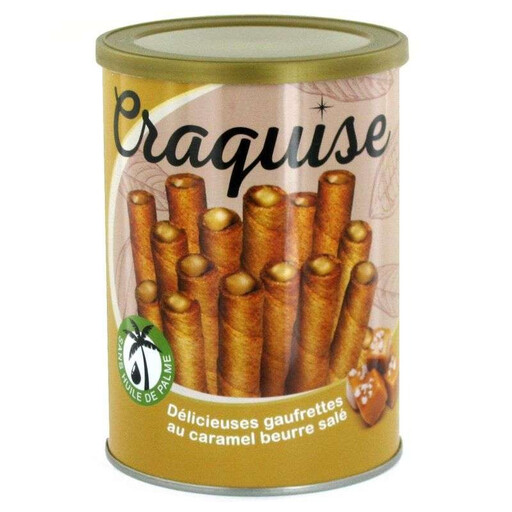 Image unavailable
For a sharing biscuit platter, this gift tin contains filled wafers that are ready to serve, rather than soft waffles to warm up. The recipe includes concentrated butter and vegetable oils. They contain wheat, milk and soya; the listing also warns that they may contain traces of tree nuts, peanuts, sesame and eggs.
Start with how you plan to serve them: on a sharing platter, as individual portions or warm. Then compare the type of waffle, ingredients, number of pieces and nutritional information. Words such as ‘premium’, ‘artisan’ or ‘regional’ don’t tell you what’s in the recipe on their own.
No. The listings for Lotus Liège waffles at Carrefour and P’TIT DELI Liège waffles at E.Leclerc specify vegetable oils and margarine respectively. Check the fats listed for each product.
Follow the instructions on the pack you’ve bought. For its Liège waffle with pearl sugar, Lotus recommends briefly putting it in the toaster. Make time for this when planning how to serve dessert.
Check the label on the prepacked waffles: the DGCCRF says allergenic ingredients must be highlighted. It also states that, where a nutrition declaration is required, it is given per 100 g for solid food, making it easier to compare packs of different sizes.