Hosts who like to create their own toasts
If the bread is part of the presentation, start by choosing a slice size that suits your toppings. Then allow time to slice it and, if you like, toast it before serving.


To make Christmas toasts your way, choose a loaf you can slice. For small bites with your choice of toppings, try plain mini toasts. A ready-filled party loaf is better if you need to serve a set number of pieces quickly, provided the fillings, collection time and storage instructions suit your meal.
If the bread is part of the presentation, start by choosing a slice size that suits your toppings. Then allow time to slice it and, if you like, toast it before serving.
A filled party loaf can save you assembling every bite yourself. Compare the stated number of pieces with the number of guests, then check the collection time and storage instructions for your chosen product.
Plain bases let you choose the toppings separately, but you’ll still need to read the labels. Check the bread, each topping and the preparation arrangements if any guests need to avoid certain allergens.
How much preparation you want to do will guide your choice: bread to customise, small bases to top, or ready-assembled bites.
Choose this if: you want to decide the size of your toasts and what goes on them.
Bear in mind: slicing and assembling everything takes time before serving.
Choose these if: you’d like to make several kinds of small bites.
Bear in mind: you’ll still need to prepare the toppings, and the selection varies by product.
Choose this if: having a set number of pieces and cutting down on assembly time are your priorities.
Bear in mind: the fillings are fixed, so check collection and storage details for your chosen product.
| What matters | What to check | Who is this for? |
|---|---|---|
| Bread format | Slice size, and whether you can cut or toast the bread. | If the bread will be a prominent part of the plate, I want to be able to match each toast to its topping. Around 31% of consumers would prioritise this customisable approach. |
| Quick serving | The stated number of bites and the collection time for the filled product. | For a buffet where there’s little time to assemble everything, I’d rather know in advance how many pieces I’ll be serving. Around 25% of consumers would make speed their priority. |
| Ingredients and allergens | The labels on the bread and toppings, and whether they’re kept separate during preparation. | If my guests need to avoid certain ingredients, I want to check each part of the bites separately. Around 19% of consumers would put this check first. |
| Quantity and collection | How many pieces you can serve and whether they’re available at your chosen collection point. | When planning my Christmas menu, I want to know whether the format I choose will provide enough bites and be ready to collect in time. For around 25% of consumers, being able to get what they need would be the main priority. |
This label tells you neither the size of the slices nor whether they’ll suit your planned toppings. The term ‘traditional French bread’, on the other hand, is subject to manufacturing rules set out by Légifrance, including no additives and no freezing during production. It doesn’t tell you how the bread is best served.
First decide whether you’ll be serving larger toasts or smaller bites, then look at the bread and how it’s presented.
A pack of plain bases and a ready-filled party loaf involve different amounts of work: the bases still need toppings and assembly.
Compare the number of pieces you’ll actually be able to serve and make a note of anything you still need to prepare.
Choosing plain bases adds preparation time and means you’ll need separate toppings.
A ready-filled product may need to be kept chilled. The instructions for the product you buy determine how to transport and store it, as well as when to eat it by.
Arrange collection to suit your meal and follow the temperature and other instructions on the label. The French Ministry of the Economy reminds shoppers to follow the storage temperature shown on the packaging.
‘Plain’ doesn’t mean allergen-free. The product details for EPI D'OR plain thin toasts, for example, list wheat, barley and soya.
Read the label on the product you actually buy, as well as those on the toppings. Anses advises that substances which can cause allergies or intolerances must be highlighted in the ingredients list.
These examples cover different bread and bite-sized formats. Check the range available at the retailer where you plan to shop.
A brand to look at for bread to slice, through a baker, caterer or retailer that stocks its professional range.
An option to consider for a buffet of ready-filled bites.
Mini toasts and canapé bases to consider if you’d like to prepare the toppings yourself.
A retailer where you can compare toast formats for serving with drinks.
A source of ideas for festive toasts to make at home.
A retailer to explore if you’re looking for brioche toasts for your own toppings.
These two products are bases you can top to make Christmas toasts or bites to suit your recipes. Check the slice size and label before choosing your toppings.
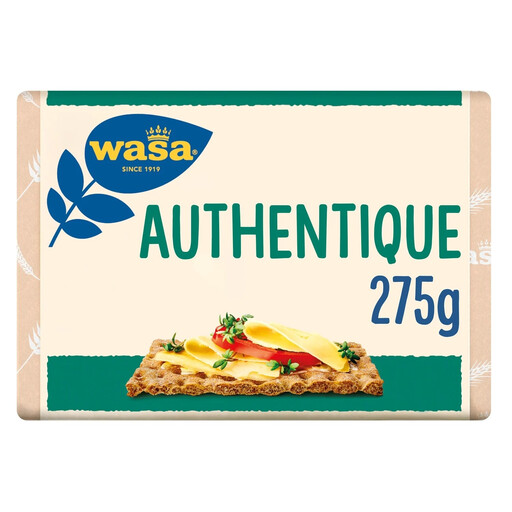 Image unavailable
A crisp base to top if you’d like to choose the ingredients for your bites separately. The pack is listed as 275 g. Check that the slice size suits how you plan to serve them, and look on the label of the product you receive for rye gluten and any possible traces of other allergens.
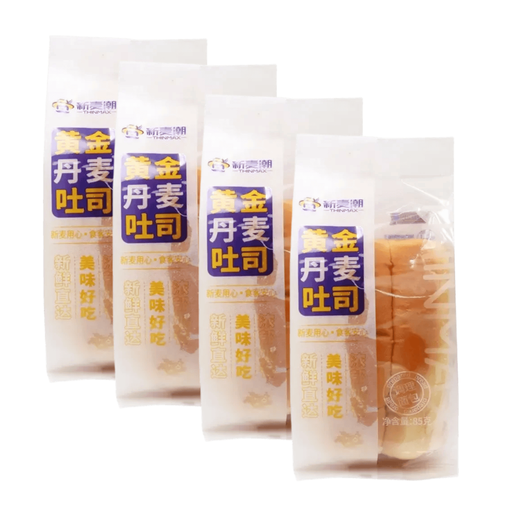 Image unavailable
Toasts to top if you’d prefer a base described on the product page as ready to eat or suitable for light toasting. The pack contains four 85 g portions. Check the number and size of the slices, then read the label on the product you receive, particularly for wheat, milk, egg, soya and sesame.
No. The term is covered by a decree listed on Légifrance, including requirements for no additives and no freezing during production. It doesn’t guarantee that the slices are the right size or suit the toppings you’ve chosen.
Read the ingredients list for the product you buy, then check the list for each topping you add. Anses says substances that can cause allergies or intolerances must be highlighted in the ingredients list, so the words ‘plain toast’ are no substitute for checking the label.
First follow the instructions on the product you choose, especially if it’s sold defrosted. Also observe its use-by date and the storage temperature shown on the packaging, as advised by the French Ministry of the Economy.
Check the lead time for the product and collection point before finalising your menu. Carrefour Traiteur says its party loaf with 60 toasts for 10 people is available within five days; other products may have different lead times.