Hosts looking for the ‘sugar-free’ claim
For your Christmas drinks, you want to tell the difference between sweets carrying this claim and products simply described as lower in sugar.


If ‘sugar-free’ is a must for your Christmas drinks, choose a product labelled as such and check the ‘of which sugars’ line: in the European Union, this claim is limited to 0.5 g of sugars per 100 g or 100 ml. If you simply want sweets to share, a reduced-sugar recipe or a small portion of classic sweets may suit a different need, but they are not equivalent to ‘sugar-free’. In every case, compare the serving format and ingredients, and check for any warnings relating to polyols.
For your Christmas drinks, you want to tell the difference between sweets carrying this claim and products simply described as lower in sugar.
You’re looking for fruity or caramel flavours to offer your guests, and need to choose between a bag to tip into a bowl and individually wrapped sweets.
Before serving several people, you want to check the polyols, sweeteners, milk, gelatine and any allergen warnings for each product.
For Christmas drinks, first decide whether the ‘sugar-free’ claim is essential, then choose a format and ingredients to suit how you plan to serve the sweets.
| What to consider | What to check | Who it’s for |
|---|---|---|
| ‘Sugar-free’ claim | Look for the exact claim and check ‘of which sugars’ per 100 g. In the European Union, this claim requires a maximum of 0.5 g of sugars per 100 g. | If I’m looking for sweets carrying this specific claim, simply having less sugar isn’t enough. Around 38% of consumers make this their top priority. |
| Sharing format | Compare the bag size and how the sweets are presented: individually wrapped or ready to serve in a bowl. | If I’m putting sweets out for several guests, I want to know how to serve them and store them once opened. Format comes first for around 25% of consumers. |
| Ingredients and warnings | Read the ingredients list, allergen information and any warnings about polyols. | When guests have different dietary requirements, I need to check the recipe before serving the sweets. Around 25% of consumers prioritise this check. |
| Nutrition information | Compare the nutrition information per 100 g, particularly sugars, carbohydrates and energy; use the Nutri-Score if shown. | When choosing between two bags, I want to compare their values on the same basis rather than rely on the front of the pack alone. This is the main concern for around 12% of consumers. |
On its product page for sugar-free caramel sweets, Auchan lists less than 0.5 g of sugars, but 90 g of polyols per 100 g. So the claim alone doesn’t tell you everything about the nutritional values.
Compare the ‘of which sugars’, ‘carbohydrates’ and, where listed, ‘polyols’ lines side by side, always per 100 g.
HARIBO describes Croco Baby as lower in sugar, but lists 35 g of sugars per 100 g on its product page. This product doesn’t meet a strict requirement for sugar-free sweets.
If this distinction matters to you, check the exact claim and sugar content of the product you choose.
According to the DGCCRF, Nutri-Score is voluntary in France. Its absence isn’t enough to judge the ingredients in a sweet.
If it is shown, consider it alongside the ingredients list and the product’s nutrition information.
The recipes listed by Auchan, Carrefour and E.Leclerc differ, particularly in whether they contain milk or gelatine, or carry warnings about excessive consumption.
Check each pack before serving the sweets, and keep different products clearly separate if the ingredients matter to some of your guests.
Auchan lists two sugar-free hard sweets: caramel in a 120 g pack and tutti frutti in a 150 g pack.
Carrefour Original fruit-flavoured sweets offer a chance to examine the nutrition information for a product described as sugar-free.
E.Leclerc lists a 120 g pack of sugar-free caramel hard sweets.
Croco Baby helps illustrate the difference between sweets HARIBO describes as lower in sugar and a product carrying the ‘sugar-free’ claim.
These Joybuy products are described as sugar-free and offer a choice of flavours and formats for Christmas drinks. Before serving them, check the nutrition information, ingredients and packaging for the product you buy.
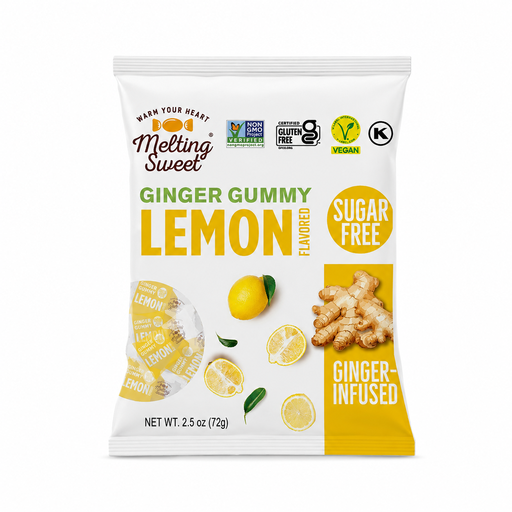 Image unavailable
Worth considering if you’d like to serve a ginger and lemon flavour and check out sweets described as sugar-free. If you’re serving several guests, check the packaging for how the sweets are presented, the ingredients and any warnings.
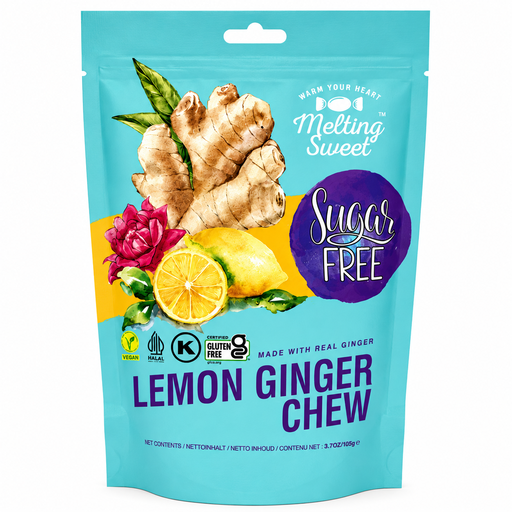 Image unavailable
This soft variety combines lemon and ginger in a 105 g pack. If you plan to put it out for guests, check the packaging, ingredients list and nutrition information for this product.
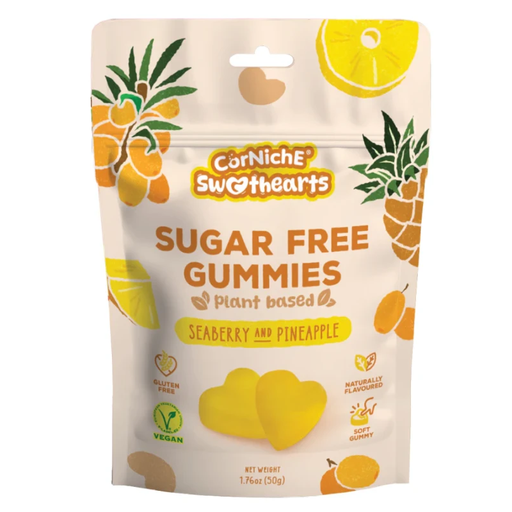 Image unavailable
The 50 g pack offers another fruity flavour combination for Christmas drinks. Check how many packs you’ll need for the occasion, along with the ingredients and nutrition information for this product.
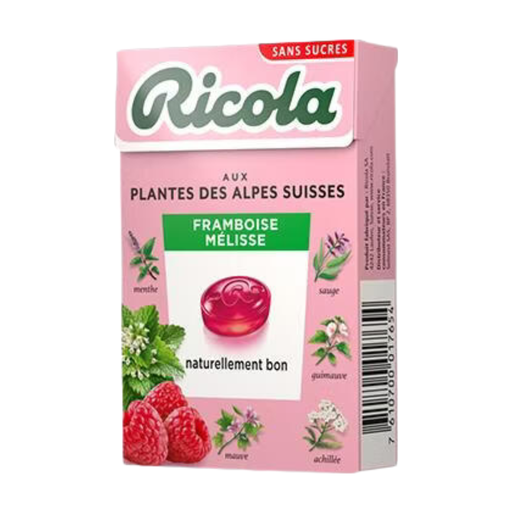 Image unavailable
The pocket tin is worth considering if guests should be able to take sweets individually rather than share from a communal bowl. For a get-together, check whether this size will be enough, and read the ingredients and nutrition information.
In the European Union, this claim is reserved for products containing no more than 0.5 g of sugars per 100 g or 100 ml, under the European regulation on nutrition claims. It doesn’t mean ‘carbohydrate-free’, so check the product’s other nutrition values too.
No. The DGCCRF explains that Nutri-Score is voluntary in France, while nutrition labelling is generally compulsory for prepacked foods. So if there’s no Nutri-Score, you’ll still need to check the nutrition information.
Some recipes contain polyols. E.Leclerc states that excessive consumption of its CONFISEO caramel sweets may have a laxative effect. Check the warning on the product you plan to serve.
First, check the exact ingredients: the products mentioned in this article may differ in whether they contain milk, gelatine or traces of allergens. If any of these ingredients matter to your guests, keep the packaging to hand and serve different products separately.