If you want to stock up on several portions to keep in the cupboard until you open them, carton soup is a more direct fit than individual sachets or frozen soup. Sachets are handy for separate portions, while frozen soup requires freezer space. Whichever format you choose, compare the usable quantity, the label and the storage instructions.
Who are these formats for?
Households planning several portions
If you’re stocking up before Christmas, compare the total volume of the cartons with the space you have in your cupboard. With a larger pack, you’ll also need to think about what to do with any leftovers once it’s been opened.
People who prefer individual portions
Dehydrated soup sachets let you make one portion at a time. Check how much soup each sachet makes and follow the preparation instructions for that particular recipe.
People who pay attention to ingredients
Compare nutritional information on the same basis, then check the ingredients and allergens for each recipe. For soup that needs reconstituting, make sure you distinguish between the values for the dry product and those for the prepared soup.
What should you look out for?
First, decide whether you want soup to keep in the cupboard or in the freezer, then work out how many portions you need. Carton soup, soup sachets and frozen soup can’t be compared on the volume shown on the front of the pack alone.
| What to compare | What to check | Who this matters to |
|---|
| Total quantity |
Volume in the cartons or volume made up from the sachets; number of portions you need. |
If I’m stocking the cupboard for several meals, I want to know how much soup each pack will serve. Around 33% of consumers would put this quantity first. |
| Individual portions |
Volume per unit and any preparation needed, such as adding water to a sachet. |
If I’m only making one bowl at a time, I’d rather not open a large container and leave some unused. Around 25% of consumers would prioritise this flexibility. |
| Ingredients |
Salt per 100 ml or 100 g, using the same basis; ingredients and allergens in the recipe. |
Before buying several units, I want to compare the salt content and read the ingredients list. Around 25% of consumers would put ingredients and allergens first. |
| Storage |
How to store the product before opening, the date shown, and the temperature and storage time after opening. |
I need to choose a format that fits in my cupboard or freezer, and make sure I can store any leftovers as instructed. Around 17% of consumers would put storage first. |
Mistakes to avoid
-
Comparing packs without comparing quantities
A 1 L carton, two 30 cl cartons and sachets that need reconstituting won’t all make the same amount of soup.
Look at the total volume. For sachets, compare the volume once prepared rather than just the weight of the dry product.
-
Assuming all formats can be stored in the cupboard
Sachets need to be prepared with water, while frozen soup needs to be kept in a freezer. These requirements matter just as much as the number of portions when you’re planning your shopping.
Choose a storage method that suits your home, then check the preparation instructions for your chosen recipe.
-
Judging ingredients by the format
France’s food safety agency, Anses, lists soups and broths among the foods that contribute to salt intake. Neither the packaging nor the brand is a substitute for checking the label of the specific recipe.
Compare the salt content on the same basis, per 100 ml or 100 g, and check the ingredients and allergens before buying several units.
-
Forgetting the instructions for after opening
The date on an unopened pack doesn’t mean you can ignore the storage instructions once the soup has been opened.
Before choosing a larger pack, check the manufacturer’s instructions for the temperature and length of time you can keep any leftovers.
Brands to know when comparing formats
ROYCO
Royco makes dehydrated soups in sachets, worth considering if you want to prepare individual portions.
- Carrefour stocks, among other products, a Royco recipe in a pack of three 25.4 g sachets.
- The weight of the sachets doesn’t tell you how much soup they make, so check the yield for your chosen recipe.
CARREFOUR CLASSIC'
Carrefour’s range includes soups in cartons, including vegetable recipes.
- A carton lets you plan several portions from one container.
- Compare the nutritional information and ingredients for each recipe, then follow the storage instructions after opening.
RÉGAL SOUPE
E.Leclerc’s Marque Repère range includes 1 L cartons of soup, as well as other pack sizes.
- The 1 L volume is handy when planning several portions.
- Check the total volume if a recipe is available in a different pack size.
LES PRINTANIÈRES
ALDI’s soup and velouté range includes products in 1 L packs.
- This volume gives you a useful reference point when planning several portions.
- Check which recipes and pack sizes are available at your local shop before making your shopping list.
LIEBIG
Liebig is one of the liquid soup brands you can compare with supermarket own-label options.
- Its recipes give you another point of comparison for pack size and ingredients.
- The brand name alone won’t tell you about the ingredients or the number of portions in a particular product.
Soups available on Joybuy
These products show three options for your Christmas shopping: soups to reconstitute, cartons in individual portions and a frozen soup. The frozen option needs to be kept in a freezer, so it isn’t suitable for stocking up the cupboard.
 Image unavailable
Knorr Thai Noodle Soup with Mushrooms, 69 g
A soup to reconstitute, worth considering if you want to prepare individual portions.
The product name gives a weight of 69 g and says it makes 0.70 L of prepared soup. Check the preparation instructions and allergens on the pack.
View on Joybuy
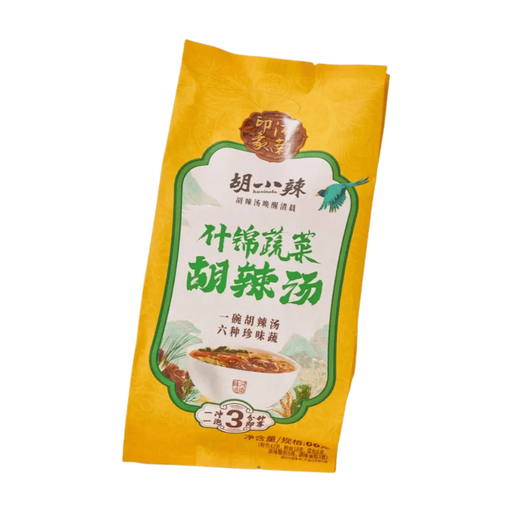 Image unavailable
Haoxiangni Assorted Vegetable Spicy Soup, 66 g
This soup to reconstitute is suited to making a quick, individual portion rather than serving straight from a carton.
The sachet weighs 66 g. To compare its nutritional information with that of a liquid soup, check whether the values are for the dry product or the prepared soup.
View on Joybuy
 Image unavailable
Liebig 12 Vegetable Blend, 2 × 30 cl
Two small cartons let you open one portion without opening the full 60 cl pack.
This pack contains 2 × 30 cl, not a 1 L carton. Check the recipe’s allergens and storage instructions.
View on Joybuy
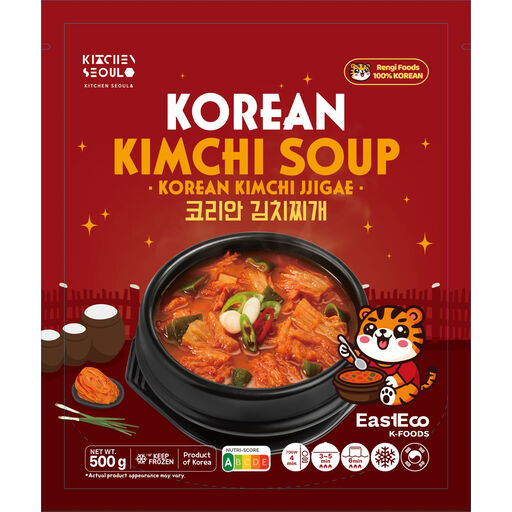 Image unavailable
EastEco Rengi's KOREAN KIMCHI SOUP (JIJIGAE), 500 g
This frozen soup is worth considering if you have a freezer; it isn’t a product to keep in the cupboard.
The stated pack size is 500 g. Store at −18 °C and check the cooking instructions and allergens before use.
View on Joybuy
Frequently asked questions
How do I compare carton soup with soup sachets?
Compare how much soup each format serves: the volume in the carton and the amount made up from the sachet. The weight of the dry product alone doesn’t tell you how much ready-to-eat soup you’ll get.
What should I look for on the nutrition label?
Compare nutritional values on the same basis, per 100 ml or 100 g, paying particular attention to salt. Also read the ingredients list and highlighted allergens. A Nutri-Score rating, if shown, doesn’t replace this information.
Do the DDM and DLC mean the same thing?
No. The French Ministry of the Economy distinguishes between the best-before date (DDM) and the use-by date (DLC). The latter applies to highly perishable foods. In either case, follow the temperature and storage-time instructions on the pack after opening.
Can frozen soup replace a carton you keep in the cupboard?
Not if you’re looking for something to store in the cupboard: frozen soup needs to be kept in a freezer, following the storage instructions. When choosing between the two, compare the specific recipes and take the space you have into account.


