For a Christmas brunch, first choose between classic rusks, toasted bread or toast, depending on your toppings and how you plan to serve them. If the ingredients matter more, compare the full-ingredient or organic recipes on the label rather than relying on the product name alone. Check the nutritional values per 100 g and the allergens, especially if anyone has a dietary restriction. It’s also worth checking the packet you buy if it says “no added salt”.
Who is this guide for?
Christmas brunch hosts
You’re looking for rusks, toasted bread or toast to serve with sweet and savoury toppings. The product type, format and presentation matter just as much as the recipe; E.Leclerc’s Epi d’Or range illustrates the different ways to serve them.
Shoppers who care about ingredients
You want to compare classic, wholemeal or organic recipes by checking their ingredients and nutritional values per 100 g, including fibre, sugars, fat and salt.
Households keeping an eye on salt or allergens
You’ll need to read the label on the packet you plan to serve. Terms such as “wholemeal”, “organic” or “no added salt” don’t tell you whether a product contains allergens; the DGCCRF says these must be highlighted in the ingredients list.
What should you look for?
When shopping for Christmas, start with how you plan to serve the product, then compare the labels of recipes that fit the occasion.
| What to consider |
What to check |
Who is it for? |
| Serving at the table |
The product type — rusks, toasted bread or toast — and the number of slices, based on the toppings you plan to serve. |
When I’m hosting brunch, I’m first and foremost looking for a base that works with the toppings I’ll be serving. Around 40% of consumers put serving at the table first. |
| Ingredients |
Fibre, sugars, fat and salt per 100 g, as well as the ingredients list. The DGCCRF says that displaying values per 100 g makes it easier to compare products. |
If I’m comparing a wholemeal recipe with classic rusks, I want to know what each contains beyond its name. Around 30% of consumers prioritise checking the ingredients. |
| Salt and allergens |
The ingredients, highlighted allergens, “may contain” warnings and salt content per 100 g. |
Before serving guests with dietary restrictions, I need to be able to check the label on the packet I’ve bought. Around 20% of consumers prioritise this check. |
| Quantity and timing |
The net weight, number of slices, date shown on the packaging and storage instructions. |
For a small group, I prefer to buy an amount I can use and store as directed on the packet. Around 10% of consumers prioritise quantity and planning ahead. |
Things to bear in mind
-
Don’t mistake “premium” for a description of the ingredients
An appealing product name won’t tell you how much fibre, sugar, fat or salt a recipe contains.
Decide whether you’re mainly looking for a particular type of toast for brunch, a wholemeal recipe or organic ingredients. Then check the ingredients list and nutritional information.
-
Don’t assume a rusk is suitable for every guest
The Heudebert products listed by Auchan and Carrefour contain wheat and warn that they may contain sesame. A wholemeal or organic recipe isn’t necessarily free from allergens either.
Before serving the product to anyone with an allergy or dietary restriction, check the ingredients, highlighted allergens and any trace warnings on the packet you’ve actually bought.
-
Don’t buy ahead without checking the packet
The format you choose should suit the number of guests and how you’ll store the product until the meal.
Check the date and storage instructions on the packaging, then follow the guidance on resealing it after opening.
Brands to know
Heudebert
The range lets you compare classic rusks with recipes sold under different descriptions, including “96% cereals” and “no added salt”.
- Auchan’s product listing for the “96% cereals” variety states that it contains 96% wheat flour and 3.6 g of fibre per 100 g.
- The same product contains 1.2 g of salt per 100 g, includes palm oil and may contain sesame. Carrefour’s listing for the “no added salt” variety also mentions ingredients including glucose-fructose syrup and palm oil.
Epi d’Or
E.Leclerc sells rusks, toasted bread and brioche toast under this brand. Choose the type that best suits how you plan to serve brunch.
- The range includes wholemeal toasted bread and brioche toast.
- These product descriptions are no substitute for checking the ingredients and nutritional values of the product you choose.
Bio Village
E.Leclerc’s organic wholemeal rusks may appeal to shoppers looking specifically for this type of recipe.
- The product listing states that they contain 89.1% organic wholemeal wheat flour and 10 g of fibre per 100 g.
- It also states that they contain 1.3 g of salt per 100 g, as well as wheat and gluten. “Organic” doesn’t mean you can skip checking these details.
Joybuy products for your Christmas table
For Christmas breakfast or brunch, this selection includes two types of Heudebert rusks and a Swedish wholemeal KRISPROLLS product. Compare how they’ll work with your toppings, and check the packet details if salt or allergens are important to your choice.
 Image unavailable
Heudebert Biscot Nat, 300 g
These rusks are worth considering for serving with breakfast toppings. The product listing states that they contain 96% wheat flour, 1.13 g of salt per 100 g and come in a 300 g packet. It also lists wheat and soya lecithin, so check the allergens on the packet you buy.
View on Joybuy
 Image unavailable
KRISPROLLS Swedish Wholemeal Biscuits, 425 g
This Swedish wholemeal product can be served with savoury toppings if you’re looking for an alternative to classic rusks. The product listing states that it contains 62% wholemeal wheat flour, 8.3 g of fibre and 1.1 g of salt per 100 g. It contains gluten from wheat and barley, so check the label if a guest needs to avoid it.
View on Joybuy
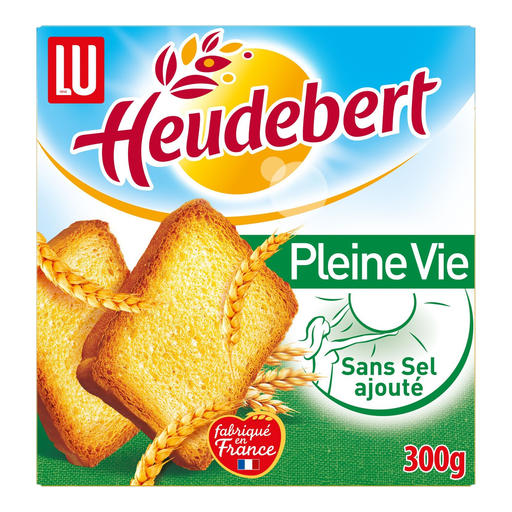 Image unavailable
LU Heudebert “no added salt” rusks, 300 g
These rusks are marketed for breakfast or a snack, but the product name alone isn’t enough if salt is your deciding factor. The ingredients list on the product page mentions salt, while its nutrition table shows 0.01 g of salt per 100 g. Check the packet before choosing this product for that reason. The listing also mentions gluten and a possible presence of sesame.
View on Joybuy
Frequently asked questions
How do I compare two packets of rusks?
Compare their nutritional values per 100 g, then check the ingredients and format. The DGCCRF says that displaying values per 100 g makes products easier to compare. Look in particular at fat, sugars and salt, as well as fibre where it’s listed.
Are wholemeal, organic or “premium” rusks always better for brunch?
No. Choose according to the toppings you plan to serve and the features you want to compare. A product description doesn’t tell you everything about the recipe. For example, E.Leclerc’s listing for Bio Village organic wholemeal rusks states that they contain 10 g of fibre and 1.3 g of salt per 100 g.
What should I check if a guest needs to avoid wheat or sesame?
Read the ingredients list, highlighted allergens and any trace warnings on the packet you plan to serve. The DGCCRF explains the rules on highlighting allergens. The Heudebert products listed by Auchan and Carrefour contain wheat and may contain sesame.
What should I check if I buy rusks before Christmas?
Check the date on the packet, choose an amount that suits your guests and follow the storage instructions printed on the packaging. After opening, follow the instructions for resealing and storing the product too.


