Anyone looking for a ‘sugar-free’ label
If this claim is essential, ‘no added sugars’ isn’t enough. Check the ‘of which sugars’ line per 100 g or 100 ml: Anses sets the threshold for a ‘sugar-free’ claim at less than 0.5 g.


To make your own Christmas porridge with no added sugars in the base, start with plain oats and choose your toppings separately. If you’re looking for a strictly ‘sugar-free’ option, this isn’t enough: according to Anses, the product must contain less than 0.5 g of sugars per 100 g or 100 ml. Porridge or muesli labelled ‘no added sugars’ may still contain naturally occurring sugars.
If this claim is essential, ‘no added sugars’ isn’t enough. Check the ‘of which sugars’ line per 100 g or 100 ml: Anses sets the threshold for a ‘sugar-free’ claim at less than 0.5 g.
A base made only with oats lets you choose the fruit, chocolate or other toppings separately. Carrefour describes the Quaker and Carrefour Bio oats it lists as made from 100% wholegrain oats; check the ingredients in each topping you add, too.
Don’t assume a product is gluten-free just because it contains oats. Check the label on the product you choose: Carrefour describes the Terres & Céréales Bio oats it lists as certified gluten-free.
For Christmas breakfast, first distinguish total sugar content from a ‘no added sugars’ claim. Then decide whether you want a base to add your own toppings to or a ready-made recipe.
| Criteria | What to check | Who is it for? |
|---|---|---|
| ‘Sugar-free’ | The exact claim and the ‘of which sugars’ line: according to Anses, less than 0.5 g per 100 g or 100 ml. | If I’m looking for this specific claim for the porridge served at Christmas, a recipe that’s simply ‘no added sugars’ doesn’t meet my criteria. Around 33% of consumers put this requirement first. |
| What goes in the bowl | The ingredients in the base, followed by those in any toppings you add separately. | If I want to decide exactly what goes into each bowl, I prefer to start with plain oats and prepare the toppings separately. Having control over the recipe is the priority for around 42% of consumers. |
| Gluten-free | An explicit ‘gluten-free’ claim on the product you choose, along with its allergen information. | If a guest needs a gluten-free option, I can’t rely on the product containing oats alone. This need comes before other criteria for around 17% of consumers. |
| Fruit-based recipe | The ingredients list, any nuts, and the ‘of which sugars’ figure per 100 g. | If I mainly want to serve a fruit or nut mix with no added sugars, I’m happy to check the naturally occurring sugars separately. Around 8% of consumers put this ready-made recipe first. |
These claims don’t mean the same thing. According to Anses, a product with no added sugars may still contain sugars that occur naturally in its ingredients.
If you’re looking for a ‘sugar-free’ claim, also check the ‘of which sugars’ line and the relevant threshold per 100 g or 100 ml.
A ‘sugar-free’ description can be misleading: the Joybuy listing for QUAKER Oats 500 g also shows 1.1 g of sugars per 100 g, above the ‘sugar-free’ threshold specified by Anses.
If the front-of-pack claim doesn’t match the nutritional information, check the ‘of which sugars’ figure on the product you receive.
Information varies by product. Carrefour says the Quaker oats it lists may contain barley and wheat, while the Terres & Céréales Bio product it lists is described as certified gluten-free.
If a guest needs a gluten-free option, choose a product explicitly labelled gluten-free and check its allergen information.
Plain oats to use as a base for a porridge you can customise.
Wholegrain oats for making your own porridge base.
A multi-grain porridge option if your priority is a no-added-sugars recipe rather than a base made from oats alone.
Oats to consider if you need a gluten-free claim.
A fruit and nut muesli, rather than a porridge made with plain oats.
If you’re after an oat-based option with fruit and vegetables, this selection features a mix to prepare with hot water. If your choice depends on the sugar content of the bowl, check the mix and the glucose sachets supplied with it separately.
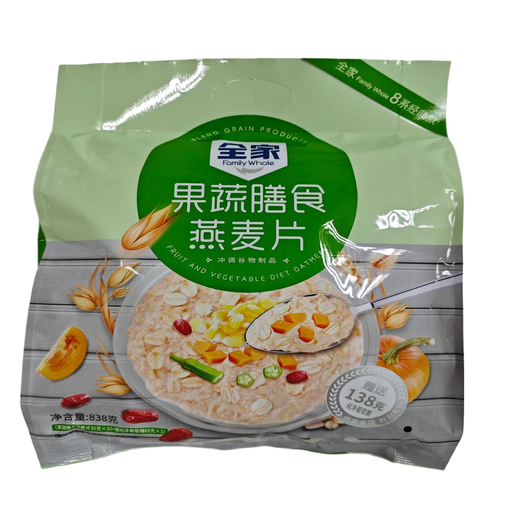 Image unavailable
This mix is a good choice if you’d rather make porridge with hot water than create your own base from plain oats. It comes with separate glucose sachets, which you can leave out if you’re watching the sugar content of the bowl. Check the pack you receive for the ‘of which sugars’ figure for the porridge mix, separately from the glucose, as well as the ingredients and allergen information for anyone who needs it.
No. According to Anses, a ‘sugar-free’ claim means less than 0.5 g of sugars per 100 g or 100 ml. A recipe with no added sugars may still contain sugars that occur naturally in its ingredients.
Not on the strength of that claim alone: fruit may contain naturally occurring sugars. Read the ‘of which sugars’ line per 100 g and check the product’s exact claim before choosing it on this basis.
No, you need to check each product. Carrefour says the Quaker oats it lists may contain barley and wheat, while the Terres & Céréales Bio oats it lists are described as certified gluten-free.
Choose a base with an ingredients list you’re happy with, then check and add your toppings separately. Dried fruit, honey, chocolate or compote will change the ingredients in the finished bowl: the sugar content of the base alone no longer reflects that of the porridge you serve.