If avoiding added sugars is your priority, look for the words “no added sugars” on your chosen sauce, then check the “of which sugars” line: tomatoes naturally contain sugars. For Christmas pasta, a ready-made sauce makes serving easier, while a tomato base lets you choose the seasoning. In either case, check the ingredients, allergens and salt content of the product you plan to serve.
Who is this choice for?
Hosts avoiding added sugars
You’re making pasta for Christmas and want to distinguish added sugars from those naturally present in tomatoes. A sauce labelled “no added sugars” can still show sugars in its nutritional information, as illustrated by Auchan’s product listing for Zapetti sauce.
Cooks who want to customise their sauce
You’d rather choose the herbs and seasoning yourself for a tomato base. This takes more preparation than using a ready-made sauce, but lets you tailor the recipe to the pasta and the other dishes in your meal.
Shoppers planning their meal at the last minute
You need a size that suits your guests and a product available nearby. Availability can vary by store or online grocery collection service, so check the exact product before finalising your menu.
Which criteria should you check first?
First decide whether you want a ready-made sauce or a base to season yourself. Then compare the labels of products of the same type. Don’t try to judge their added sugar content by taste or packaging alone.
| Criteria | What to check | Who it matters to |
|---|
| Added sugars |
The words “no added sugars”, the ingredients and the “of which sugars” value per 100 g when comparing similar sauces. |
If I want to avoid added sweetening ingredients, I need to distinguish this preference from the sugars naturally present in tomatoes. Around 33% of consumers would put this concern first. |
| Taste and texture |
Whether it’s a ready-made sauce or a base to prepare, as well as the stated texture and seasoning. |
For my Christmas pasta, I want to choose between a sauce that’s already seasoned and a recipe I can make my own. This would be the priority for around 27% of consumers. |
| Ingredients and salt |
The ingredients, allergens listed on the packaging and salt per 100 g. |
If several guests are sharing the dish, I want to know what’s in the sauce before serving it. Around 20% of consumers would make this their first check. |
| Pack size and availability |
The quantity in the exact product and its availability at your chosen store or online grocery collection service. |
I need enough sauce for the meal without relying on a product I may not be able to buy. Around 20% of consumers would consider this their priority. |
Common misunderstandings to avoid
-
Assuming “no added sugars” means “sugar-free”
Sugars naturally present in tomatoes still appear on the “of which sugars” line. So, no added sugars doesn’t mean that this line will show zero.
Look for the exact wording on the product, then compare the “of which sugars” value per 100 g across sauces of the same type.
-
Judging the recipe by its organic label or brand
An organic label doesn’t guarantee that a product has no added sugars. Carrefour’s product listing for Carrefour Bio Organic Provençal Tomato Sauce states that it contains cane sugar and 1.3 g of added sugars per 100 g.
Read the ingredients list for the specific product you’ve chosen rather than relying on its packaging.
-
Checking only the sugars
A sauce may suit your preference for avoiding added sugars while still containing seasoning or ingredients that aren’t suitable for every guest.
Before sharing a meal, also check the allergens listed on the packaging and the salt content per 100 g.
-
Planning to buy a product without checking it’s available
A Carrefour product listing shows a Heinz sauce with no added sugars as unavailable. What’s in store or available for collection may differ when you come to buy.
Check the exact product and identify an alternative in advance, making sure you’ve compared its label too.
Brands and retailers to know
Panzani
Panzani offers cooked tomato sauces and tomato bases, depending on how much preparation you want to do.
- Panzani describes its Cooked Tomato Sauce as a recipe made with tomatoes, onions and herbs.
- This description doesn’t mean that all Panzani sauces have no added sugars. Check the ingredients for the product you choose.
Barilla
The brand offers cooked tomato sauces to pour over pasta.
- Barilla describes its Cooked Tomato Sauce as a recipe with tomato pieces and vegetables.
- The stated texture doesn’t tell you about the sugar or salt content. Check the nutritional information on the jar you choose.
Carrefour
Carrefour sauce listings let you compare ingredients and, depending on the product, nutritional information.
- The listing for Carrefour Bio Organic Provençal Tomato Sauce states that it contains 1.3 g of added sugars per 100 g.
- An organic label alone isn’t enough to establish that a sauce has no added sugars.
E.Leclerc / Turini
The information published for Turini’s tomato and basil sauce lets you check the recipe for a specific product.
- The ingredients list published by E.Leclerc for this sauce includes onions, carrots and basil.
- It also lists sugar. Check whether the product is available at your store or for collection.
Auchan
The retailer offers tomato sauces, including some labelled as having no added sugars.
- Auchan’s listing for Zapetti Provence and Languedoc sauce says “no added sugars” and clarifies that it contains naturally occurring sugars.
- Check the other ingredients, salt content and pack size of the product you plan to serve.
Lidl / Baresa
Baresa is a range of tomato sauces to consider based on the recipe and size you’re looking for.
- A Baresa tomato sauce could be a good option with pasta if its recipe suits your menu.
- Before choosing it to avoid added sugars, read the ingredients and nutritional information on the packaging.
Sauces and tomato bases on Joybuy
These products include tomato bases to season yourself and a sauce for serving with pasta. The pack size is given in each product name. If “no added sugars”, allergens or salt content will determine your choice, check the label of the product you select.
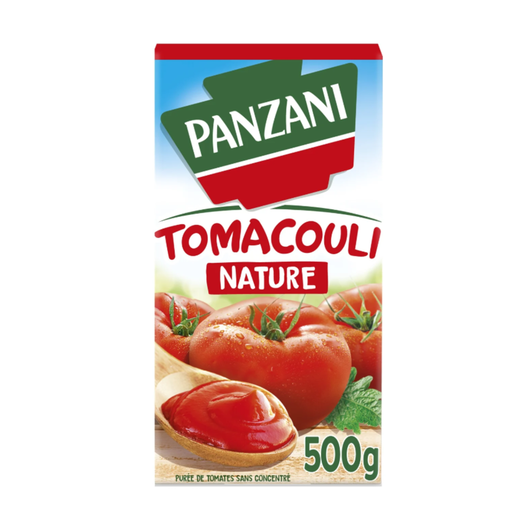 Image unavailable
Panzani tomato purée, 500 g
A tomato base to consider if you’d like to make your own pasta sauce. Check the ingredients and nutritional information before seasoning it.
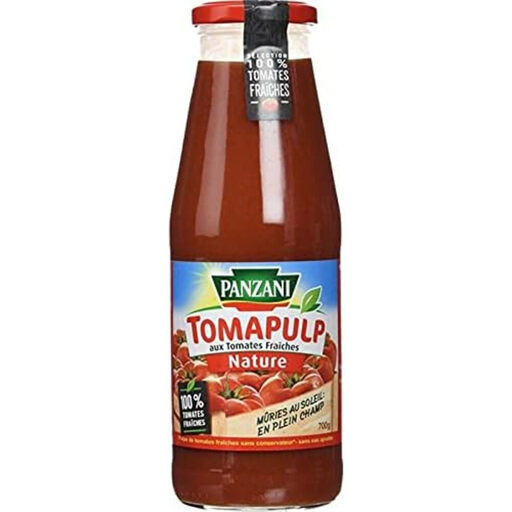 Image unavailable
Panzani Tomacouli, 700 g
A tomato base for making your own pasta sauce. The Joybuy France listing for Panzani Tomacouli 700 g says “no added sugars”. Also check the label for naturally occurring sugars, salt and allergens.
 Image unavailable
Mutti “Zero Pesticides” tomato purée, 500 g
A tomato purée to consider if you prefer to season your own sauce. Read the ingredients and the “of which sugars” line on the product. The name “Zero Pesticides” doesn’t tell you whether it contains added sugars.
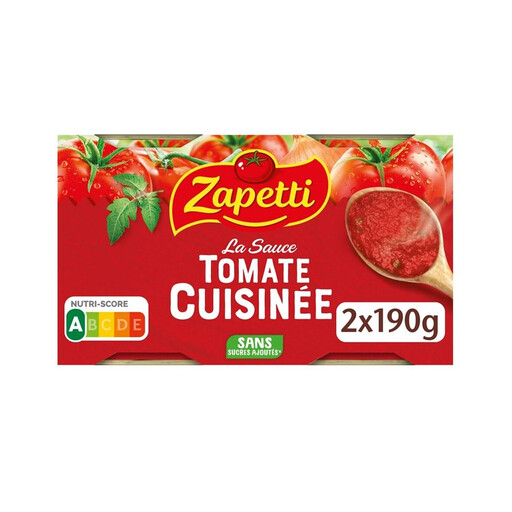 Image unavailable
Zapetti tomato sauce, 2 × 190 g
A pack of two tomato sauce jars to serve with pasta. If avoiding added sugars is your priority, check the wording on this specific pack rather than assuming it applies to the whole Zapetti range.
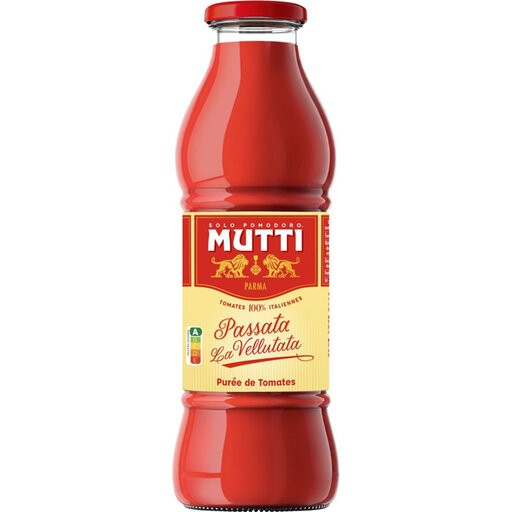 Image unavailable
Mutti Passata la Vellutata, 700 g
A passata to use as the base for a pasta sauce you can season yourself. Check the product label to distinguish its ingredients from its total sugar content.
Frequently asked questions
Does a sauce labelled “no added sugars” necessarily contain no sugar?
No. This wording doesn’t rule out sugars naturally present in the ingredients, particularly tomatoes. Check the “of which sugars” line to see the total amount stated on the product.
How do you compare the sugar content of two pasta sauces?
Compare the “of which sugars” value per 100 g for sauces of the same type, then read their ingredients and the wording on the packaging. The total sugar value alone doesn’t tell you how much added sugar a product contains.
Is an organic tomato sauce always free from added sugars?
No. Carrefour’s product listing for Carrefour Bio Organic Provençal Tomato Sauce states that it contains cane sugar and 1.3 g of added sugars per 100 g. Check the recipe for each product.
What should you check before serving the sauce to guests with allergies?
Read the ingredients, the listed allergens and any ‘may contain traces’ warnings on the exact packaging you’ll use. Don’t assume you know what’s in a sauce from its name, brand or another recipe in the range.
Can you plan to serve a particular sauce at Christmas without checking online availability?
It’s best to confirm availability with your chosen store or online grocery collection service before finalising the menu. If you’re planning to use an alternative, compare its label too: a replacement sauce may have a different composition.


