For a less salty Christmas meal, plain dried pasta is one option to consider, but its ‘salt’ value before cooking doesn’t tell you how much salt will be in the finished dish. Compare the nutrition information per 100 g on the packets, then pay attention to the salt added to the cooking water, sauce and toppings. Choose a shape to suit your recipe, or opt for wholewheat pasta if fibre is also important to you.
Who might find these choices useful?
If you’re keeping an eye on the salt in the whole meal
If you’re making pasta for Christmas, the value on the packet is only one part of the picture. Anses lists sauces, condiments, cheese and cured meats among dietary sources of sodium. Manger Bouger also advises against adding too much salt to the cooking water.
If you’d like to serve wholewheat pasta
You can look for wholewheat pasta while checking the salt in the recipe separately. Manger Bouger recommends including wholegrain starchy foods in your diet. To compare the options you’re considering, check the fibre and salt per 100 g for each one.
If you choose pasta to suit the recipe
For a pasta bake or a dish with sauce, decide on the shape you want before comparing labels. Panzani describes its macaroni as suitable for pasta bakes, but that cooking suggestion doesn’t tell you how much salt will be in the finished dish once it’s topped.
What should you check before buying?
First decide what you’re making and what you’ll serve with it, then compare the pasta that suits your recipe. The pasta’s salt content, shape and wholewheat status each meet different needs.
| What to consider |
What to check |
Who might this suit? |
| Salt in the dish |
Compare the ‘salt’ value per 100 g for the pasta you’re considering, then do the same for the sauces and toppings you plan to use. |
I want to be able to adjust the seasoning across the whole meal, rather than relying only on the value shown on the pasta packet. Around 50% of consumers would prioritise the salt content of the finished dish. |
| Pasta shape |
Choose a shape that suits your recipe and check the cooking time on the packet. |
For my pasta bake or saucy dish, I’m looking first and foremost for a shape that works with the recipe. Around 30% of consumers would share this priority. |
| Wholewheat pasta |
Check the product description or ingredients, then compare the fibre and salt per 100 g. |
I’d like to serve wholewheat pasta and know how much fibre it contains, without assuming it’s ‘reduced salt’. Around 20% of consumers would put this choice first. |
Mistakes to avoid
-
Assuming a low salt value means ‘reduced salt’
A low nutritional value doesn’t, by itself, prove that a product contains less salt than a comparable one. The DGCCRF reminds consumers that nutrition claims must be authorised and meet the conditions for their use.
Read the exact wording on the packet. To compare two types of pasta, use their ‘salt’ value per 100 g, without attributing a claim to either one unless it appears on the label.
-
Looking only at the pasta packet
A low-salt base alone won’t determine the salt content of a pasta bake or a dish with sauce. Anses lists sauces, condiments, cheese and cured meats among dietary sources of sodium.
When planning your meal, check the nutrition information for the sauce and toppings you intend to use, too.
-
Adding salt to the water automatically
Following cooking instructions without adapting them could add salt when you’re trying to cut down. Manger Bouger advises against adding too much salt to the cooking water.
Decide how to season the dish based on the sauce and toppings, then taste it before adding any salt.
-
Relying on the label for a different product
A different shape or variety won’t necessarily have the same ingredients or nutritional values. Auchan notes that information for a product may vary depending on where and when you buy it.
Check the description, ingredients, allergens and ‘salt’ value per 100 g on the packet you choose.
Brands to compare
Barilla
Linguine Integrale is a useful wholewheat pasta to compare: Barilla’s product information lists 8 g of fibre and 0,013 g of salt per 100 g.
- A specific example for comparing the fibre and salt in wholewheat pasta side by side.
- These values are for this product before cooking; remember to take the seasoning in your dish into account.
Panzani
Panzani describes its macaroni as suitable for pasta bakes and creamy sauces.
- A useful guide to shape if you’re planning a pasta bake.
- The suggested use doesn’t tell you the salt content of the recipe; check the packet and toppings.
Carrefour Classic'
Carrefour Classic' spaghetti is another long pasta option to compare for a Christmas dish.
- Another product to look at if your recipe calls for spaghetti.
- Check the nutrition information on the packet you choose before comparing its ‘salt’ value.
Auchan
Auchan’s Spaghetti product information lists less than 0,01 g of salt per 100 g for this product.
- A specific value to consider when comparing plain dried pasta.
- Auchan notes that information may vary depending on where and when you buy it, so check the packet you choose.
Marque Repère / Turini (E.Leclerc)
The E.Leclerc catalogue features wholewheat penne and Turini spaghetti, among other options.
- Shapes and product descriptions to compare based on your recipe and whether you’d like wholewheat pasta.
- The range name is no substitute for checking the ‘salt’ value of the product you choose.
Pasta to consider on Joybuy
These options stand out for their shape, pack size or wholewheat credentials. To prepare a less salty meal, compare the ‘salt’ value on the exact packet you’re buying and take the sauce, toppings and seasoning into account. None of these products is described as ‘reduced salt’.
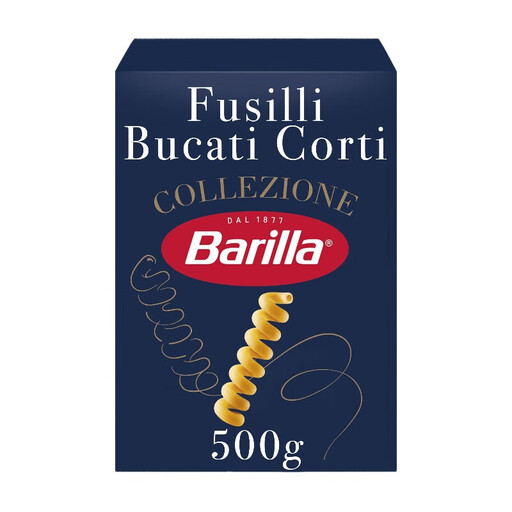 Image unavailable
Barilla Fusilli Bucati Corti, 500 g
Worth considering if you’d like to serve fusilli with the sauce you’ve planned for your meal. Pack size: 500 g. Check the ‘salt’ value on the packet and adjust the seasoning in your dish.
View on Joybuy
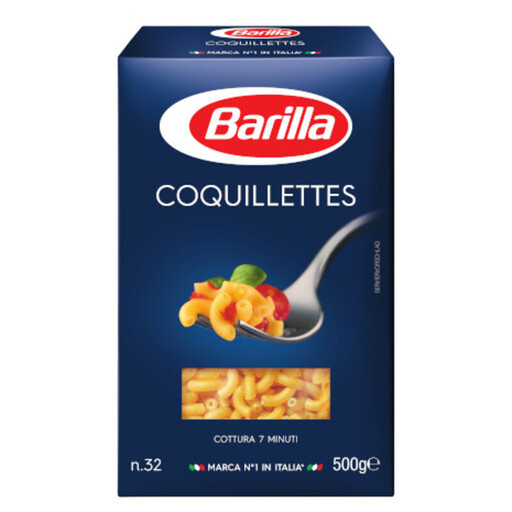 Image unavailable
Barilla Coquillettes, 500 g
Worth considering if your recipe calls for coquillettes. Pack size: 500 g. Check the ‘salt’ value and ingredients on the packet before choosing your sauce or toppings.
View on Joybuy
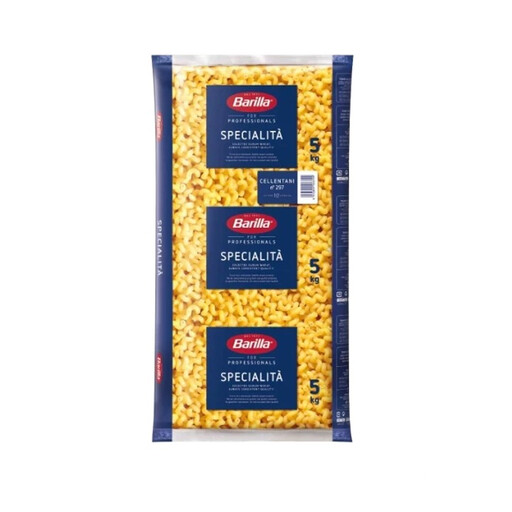 Image unavailable
Barilla Cellentani, 5 kg
Worth considering if you’re making cellentani in a large quantity. Pack size: 5 kg; check that this amount suits your meal and that you have somewhere to store it. Check the ‘salt’ value on the packet you choose.
View on Joybuy
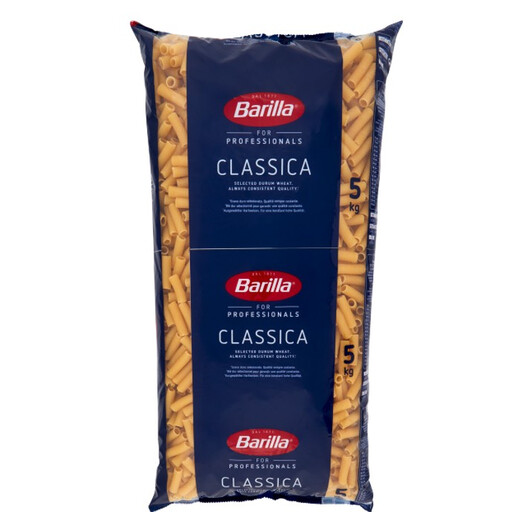 Image unavailable
Barilla Tortiglioni, 5 kg
Worth considering if your recipe calls for a large quantity of tortiglioni. Pack size: 5 kg; make sure this amount is right for the number of guests. Check the ‘salt’ value and cooking instructions on the packet.
View on Joybuy
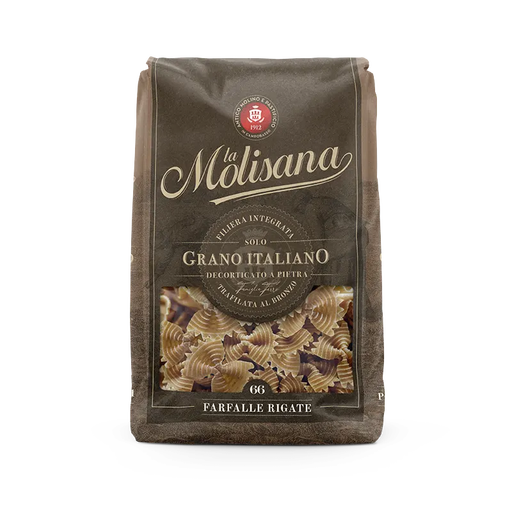 Image unavailable
La Molisana Farfalle Integrali N°066, 500 g
Worth considering if you’d like to serve wholewheat farfalle. Pack size: 500 g. Compare the fibre and salt per 100 g on the packaging; ‘wholewheat’ doesn’t mean ‘reduced salt’.
View on Joybuy
Frequently asked questions
Does pasta with very little salt count as ‘reduced salt’?
No. A low value in the nutrition table doesn’t, by itself, prove that the product contains less salt than a comparable one. In France, nutrition claims are governed by Regulation (EC) No 1924/2006, as the DGCCRF points out. Check the exact claim on the product, then compare the ‘salt’ values per 100 g.
What should I check besides the pasta for a less salty Christmas dish?
Check the sauce and toppings you plan to use, as well as any salt added during cooking. Anses lists sauces, condiments, cheese and cured meats among dietary sources of sodium. Check the labels of the products you’ll actually be using.
Should you add salt to the pasta cooking water?
If you’re trying to keep the salt in your dish down, don’t automatically add the amount suggested on a packet. Manger Bouger advises against adding too much salt to the cooking water. Remember to take the sauce into account, too, and taste the dish before adding more salt.
How should you store dried pasta bought for the festive season?
Keep it in a dry place away from heat and moisture. Reseal the bag after opening or use an airtight container. These tips appear on Auchan’s Spaghetti product information; also follow the instructions on the packet you buy.


