People keeping an eye on declared sugar content
You want to compare “of which sugars” figures without attributing a claim to a pasta that isn’t supported by its nutritional information alone. Check comparable products and the wording on the pack.


For a Christmas meal, don’t choose pasta as “reduced in sugars” based solely on a nutritional value. Check the claim on the specific product and compare the “of which sugars” figure per 100 g across comparable products. Then choose a shape to suit your dish and check the ingredients and allergens in the whole recipe, particularly if one of your guests needs to avoid gluten.
You want to compare “of which sugars” figures without attributing a claim to a pasta that isn’t supported by its nutritional information alone. Check comparable products and the wording on the pack.
You’re looking for a shape to suit your recipe, whether you’re serving pasta with a sauce or making a layered dish. The ingredients in the sauce and toppings are part of your choice too.
If one of your guests needs to avoid gluten, eggs or another allergen, check the specific product you buy as well as the other ingredients in the meal. Information about the pasta alone doesn’t cover the whole recipe.
Any allergen restrictions will determine which products you can consider first. For the other choices, compare the declared sugar content and pick a shape that suits the sauce or dish you have planned.
| Criteria | What to check when buying | Who it matters to |
|---|---|---|
| Declared sugars | Compare “of which sugars” per 100 g for similar dried pasta products. If you’re looking for a “reduced in sugars” claim, check that it appears on the product and identify the stated comparison. | I want to take the declared sugar content into account without confusing it with a promise of reduction. Around 45% of consumers make this their priority. |
| Recipe and pasta type | Choose the shape to suit your sauce or layered dish, then check whether it’s regular, egg or wholewheat pasta. | When making the Christmas recipe I have in mind, the shape and type of pasta come first; around 33% of consumers share this priority. |
| Allergens and gluten | Read the ingredients and any may-contain information on the exact pack. If gluten needs to be avoided, check for a gluten-free claim and review the other ingredients in the meal. | Before choosing a recipe for everyone at the table, I need to make sure it meets any allergen requirements. Around 22% of consumers put this compatibility ahead of other criteria. |
These two figures don’t mean the same thing. For the Auchan spaghetti listed on its product page, the brand states 72 g of carbohydrate, of which 3.7 g are sugars, per 100 g.
If you’re comparing sugar content, use the “of which sugars” figure and keep the 100 g serving basis the same for each product.
A sugar figure alone isn’t enough to support this claim. The DGCCRF notes that nutrition claims are governed by Regulation (EC) No 1924/2006.
Check the wording used on the product and the comparison it refers to. Otherwise, rely on the nutritional information shown.
Pasta is just one part of the dish you serve: sauces and toppings have their own ingredients and nutritional information.
Choose the shape to suit your recipe, then check the ingredients in the accompaniments if their composition matters to you.
Ingredients and may-contain information vary from one product to another. Pasta labelled gluten-free tells you nothing about the sauce or how the dish has been prepared.
Check the pack you buy and every component of the recipe. If needed, prepare a separate portion to avoid cross-contact between ingredients.
These ranges offer a starting point for comparing shapes and ingredients. The details listed apply to the specific products mentioned, not every product from a brand or retailer.
The brand offers regular, wholewheat, egg and gluten-free pasta, among other options.
The range includes regular and wholewheat pasta shapes, as well as options for different cooking methods.
The retailer offers regular, quick-cook and wholewheat pasta, among other options.
The retailer offers wholewheat pasta products, among other options.
The retailer offers pasta from several brands, including wholewheat and gluten-free products.
The retailer offers regular and wholewheat pasta, with product information showing their ingredients.
This selection includes fusilli, penne and spaghetti described as gluten-free, as well as egg lasagne sheets for a layered dish. The shape may help you decide what to make for Christmas, but product names and sugar figures alone aren’t enough to support a “reduced in sugars” claim.
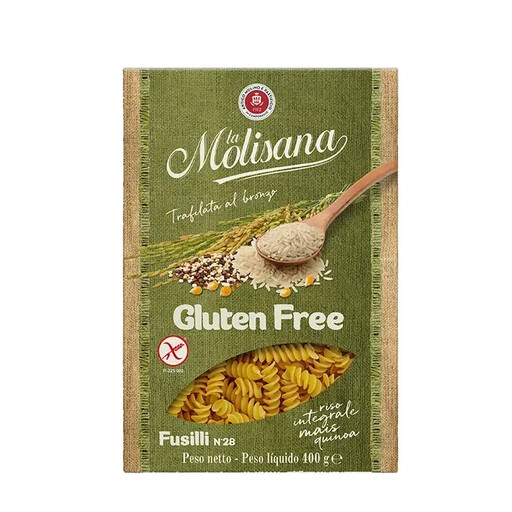 Image unavailable
Fusilli are worth considering if you’re planning to serve pasta with a sauce. The name describes a 400 g gluten-free option. If this is essential, check the details on the pack you receive and the other ingredients in the dish.
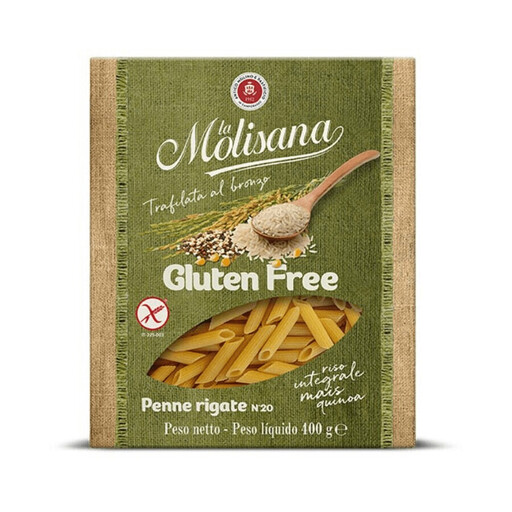 Image unavailable
These penne rigate are another shape to consider for a saucy dish. The name describes them as gluten-free; check the labelling on the pack you receive if one of your guests needs to avoid gluten.
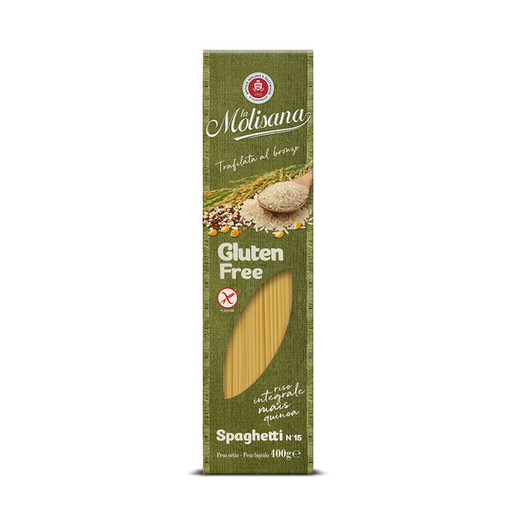 Image unavailable
This spaghetti could work in a simple recipe or served with a sauce. The name mentions wholegrain rice, maize and quinoa, as well as bronze-die extrusion. Check the ingredients list and details on the pack before serving.
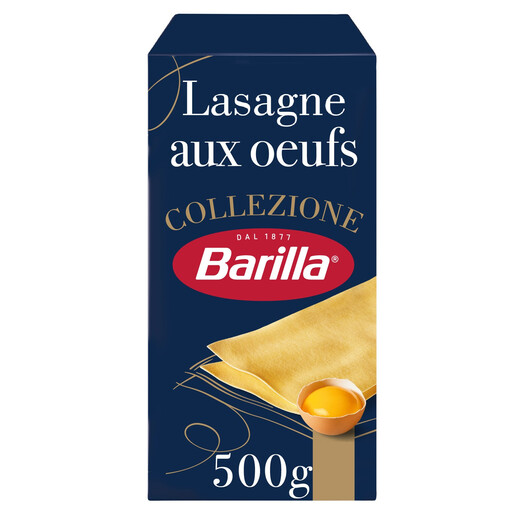 Image unavailable
These sheets are a good choice for a lasagne to share, rather than pasta served separately with a sauce. The name indicates that they contain egg and come in a 500 g pack; check the other ingredients and allergens on the packaging.
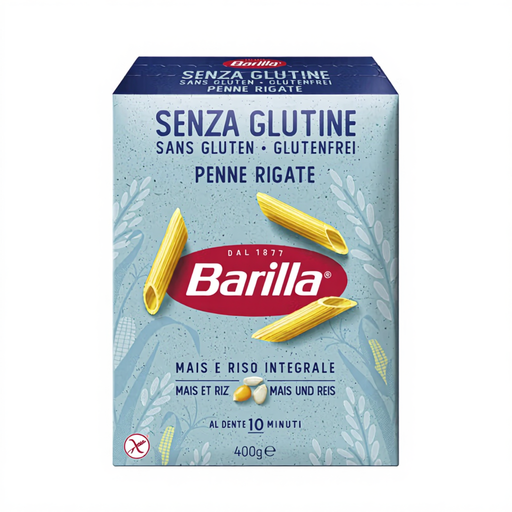 Image unavailable
These ridged penne are worth considering for a recipe with sauce. The name describes a 400 g gluten-free option. If gluten needs to be avoided, check the labelling on the pack you receive and the ingredients in the accompaniments too.
No. The “of which sugars” figure alone isn’t enough to support this claim. The DGCCRF notes that nutrition claims are governed by Regulation (EC) No 1924/2006; check the wording used on the specific product and the comparison it refers to.
If you’re comparing sugar content, look at the “of which sugars” figure per 100 g rather than just the “carbohydrate” figure. The Auchan spaghetti product information, for example, lists 72 g of carbohydrate and 3.7 g of sugars per 100 g.
No. “Wholewheat” describes the type of grain or semolina, not a reduction in sugar content. If you’re considering wholewheat pasta for your Christmas recipe, compare the nutritional information for each product and think about the taste and texture you want.
Check the ingredients and allergens, and look for a gluten-free claim on the specific pack if needed. Check the sauce, toppings and preparation conditions too: information on the pasta doesn’t apply to the whole dish.
Not necessarily. For its spaghetti, Auchan notes that the composition may vary depending on the online grocery service and purchase date. Check the pack you receive before cooking, especially if the ingredients or allergens affect your choice.