Anyone comparing fat content
You want to compare desserts on a like-for-like basis. Nutritional values per 100 g let you check fat and saturates without confusing pack size with composition.


If fat content is your priority when choosing a frozen Christmas dessert, compare the values per 100 g, particularly fat and saturates, before making your choice based on the dessert’s name or appearance. A sorbet may fit this criterion without being low in sugar. If you’re buying a dessert to share, also check the number of servings, allergens and storage instructions.
You want to compare desserts on a like-for-like basis. Nutritional values per 100 g let you check fat and saturates without confusing pack size with composition.
You’re deciding between a dessert to share and individual portions. The number of servings and presentation matter, but they don’t replace comparing nutritional values.
If a guest needs to avoid certain allergens, the recipe and any ‘may contain’ warnings on the product you choose are key. You’ll also need to get the frozen dessert to the freezer promptly, limiting the time it spends out of the cold.
Start by comparing nutritional values using the same unit, then choose a format that suits the meal. The Directorate-General for Competition Policy, Consumer Affairs and Fraud Control (DGCCRF) states that nutrition information is given per 100 g or 100 ml to make comparisons easier.
| Criterion | What to check | Who it’s for |
|---|---|---|
| Fat and sugars | Compare fat, including saturates, and sugars per 100 g. Keep values per 100 ml separate from those per 100 g. | If I’m looking for a lower-fat dessert first, I want to compare recipes without assuming a sorbet is also low in sugar. Around 50% of consumers are said to make fat content their top criterion. |
| Serving format | Check the net weight, stated number of servings and serving instructions for the dessert you choose. | When serving several guests at Christmas, I look for a format that suits the number of people, even if I then need to compare the recipes by their composition. Around 30% of consumers are said to prioritise a sharing format. |
| Ingredients and storage | Check allergens and any ‘may contain’ warnings that matter to your guests. Plan to keep the dessert cold on the way home and follow the pack instructions. | If a guest has an allergy, or the journey home after shopping is a long one, I need to check that the product and its transport arrangements are suitable. Around 20% of consumers are said to put these considerations first. |
E.Leclerc’s product information for ESKISS raspberry sorbet states that it contains 0.1 g of fat, but also 25.0 g of sugars per 100 g. These figures answer different questions.
Before choosing, check at least the fat, saturates and sugars per 100 g.
Product information for two Carrefour frozen desserts lists 21 g and 19 g of fat per 100 g respectively. Their festive presentation doesn’t tell you the fat content of other recipes.
Compare the nutrition information for each yule log or frozen dessert you’re considering. Don’t rely on its shape or name alone.
Ingredients and ‘may contain’ warnings can differ from one recipe to another. A format that suits the number of guests isn’t enough if one of them needs to avoid an allergen.
Ask anyone affected what precautions they need, then check the label of the exact product you’re considering.
The French Agency for Food, Environmental and Occupational Health & Safety (Anses) recommends buying frozen foods at the end of your shopping trip and limiting their time in transit.
Pick up the dessert last, use an insulated bag and follow the storage instructions on the packaging.
A tub of sorbet with product information that lets you compare several nutritional values per 100 g.
Product information for celebratory frozen desserts that’s useful for comparing recipes made to share.
A range of frozen desserts, including individual portions and options to share.
A frozen food range where you can look for ice cream and pastries to suit the dessert you have in mind.
Ice creams and sorbets to compare product by product, including options under the MUCCI brand.
A retailer offering frozen products and seasonal promotions.
These products include sorbets or ice lollies in individual serving formats. To choose based on fat content, compare their nutritional information using the same unit and check the ingredients of the product you buy.
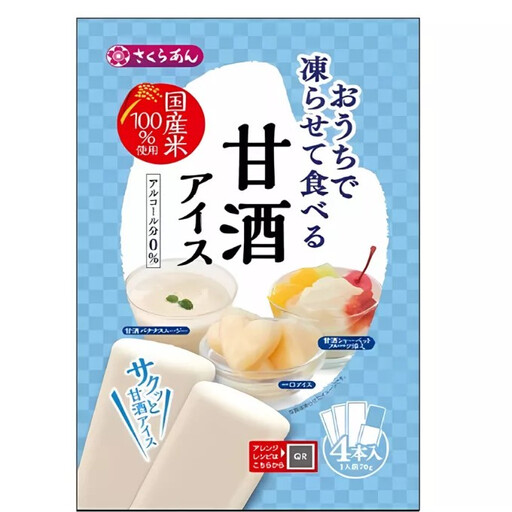 Image unavailable
A sorbet to consider if you fancy a change from creamy frozen desserts. The stated pack size is 280 g. Check the nutritional values and ingredients before choosing it for your guests.
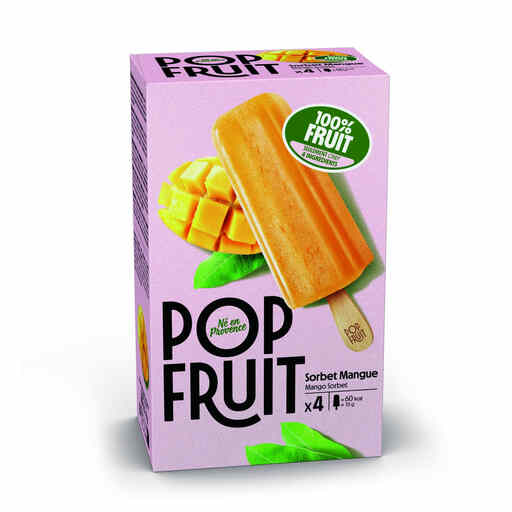 Image unavailable
The four ice lollies make it easy to serve individual portions instead of slicing a dessert to share. Compare fat and sugars on the label, then check for allergens if needed.
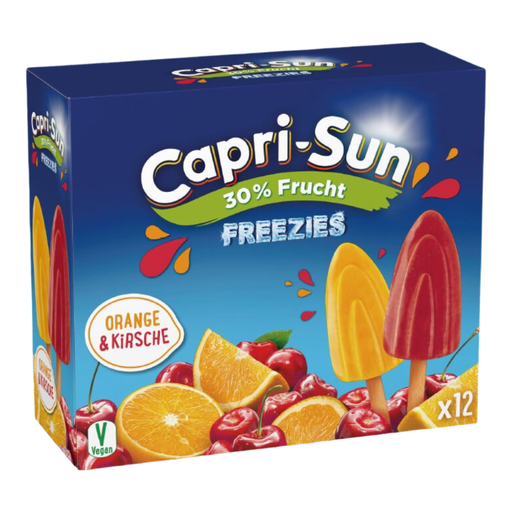 Image unavailable
The twelve ice lollies are suited to individual servings rather than a dessert to share. When comparing them with a dessert whose nutritional values are given per 100 g, don’t confuse this unit with any information given per 100 ml.
Check the fat and saturates per 100 g on both packs. The DGCCRF says nutrition information is given per 100 g or 100 ml to make comparisons easier. If the units differ, don’t compare the figures directly.
No: fat content doesn’t tell you how much sugar a product contains. For example, E.Leclerc’s product information for ESKISS raspberry sorbet lists 0.1 g of fat and 25.0 g of sugars per 100 g. Check both figures for the product you choose.
No: to compare fat content accurately, check the ‘fat’ and ‘of which saturates’ lines in the nutrition information. Check sugars too if they matter to your choice.
Check the ingredients, declared allergens and any ‘may contain’ warnings on the packaging of the exact product. Before choosing a dessert to share, ask the person concerned what precautions they need.
Buy it at the end of your shopping trip and carry it in an insulated bag, keeping the journey home as short as possible, in line with Anses advice. Follow the pack instructions for storage and serving.