What should you look for first?
When choosing chocolate to go with your coffee, start with the format you plan to open, then pick your preferred flavour and texture. The label can help you compare different portions and recipes.
| What to consider |
What to check |
Who is it for? |
| Single portion |
Net weight and number of pieces; individual wrapping if you want to take the bar with you. |
If I’m having just one coffee, I’d rather open a small portion than leave a bar half-finished. Around 27% of consumers put this format at the top of their list. |
| Cocoa or coffee flavour |
Cocoa percentage and whether it contains coffee pieces; whether it comes in a format you can break into portions. |
With my coffee, I’m looking for a pronounced cocoa flavour, or a recipe that also contains coffee. Around 27% of consumers are said to prioritise this preference. |
| Flavour and texture |
What the bar is made with: milk, hazelnuts and wafer, and the actual proportion of dark chocolate. |
I’m mainly choosing between a soft or crunchy bar, rather than a dark chocolate mini bar. Around 20% of consumers are said to put flavour and texture ahead of other factors. |
| Ingredients and labelling |
Ingredients and allergens; sugars and fat per 100 g, then per portion if this information is given. |
Before choosing for myself or someone else, I need to know exactly what’s in the recipe. Around 26% of consumers are said to consider checking the label their main priority. |
These formats aren’t interchangeable: Lindt France describes a 35 g dark chocolate mini bar and a 100 g dark chocolate bar with coffee pieces, while Kinder France lists a 21 g Kinder Maxi bar. The weight of each piece helps you choose a portion, but it doesn’t tell you which recipe you’ll prefer.
Brands and retailers to explore
These examples can help you compare formats and recipes. A brand’s inclusion in this list doesn’t guarantee Christmas packaging or the availability of a particular product.
Lindt
The EXCELLENCE range featured by Lindt France includes a 35 g 70% dark chocolate mini bar and a 100 g 70% dark chocolate bar with Nicaraguan coffee pieces.
- Two formats to choose between, depending on whether you want to open a small portion or break off pieces from a larger bar.
- The coffee bar isn’t a pre-portioned single serving. Check the ingredients and allergens for each recipe too.
Kinder (Ferrero)
Kinder France describes Kinder Maxi as an individually wrapped milk chocolate bar and Kinder Bueno Dark as a recipe with wafer, hazelnut and a dark chocolate coating.
- These two recipes offer a different texture from a dark chocolate mini bar.
- For Kinder Bueno Dark, “Dark” refers to the dark coating specified by the brand, not a 70% dark chocolate bar. Check the allergens in the specific product you choose.
Carrefour
Carrefour’s online range lets you browse 70% dark chocolate bars from different brands and compare their sizes.
- The product listings can help you compare weight and ingredients.
- A product listed in the range may be unavailable. Check the store and the specific product before planning a Christmas purchase.
E.Leclerc / Marque Repère
E.Leclerc’s Marque Repère range includes Equador dark chocolate squares and Tablette d’Or bars.
- The listed formats and cocoa percentages make it possible to compare different products.
- The range doesn’t guarantee that a particular product or Christmas presentation will be available in every store.
Chocolates to consider on Joybuy
For a solo coffee break, these options range from small milk or hazelnut bars to a dark chocolate mini bar. The 100 g dark chocolate bar is better suited to anyone happy to break off a portion themselves. If you’re looking for Christmas packaging, check the packaging of the specific product before choosing.
 Image unavailable
Lindt EXCELLENCE 70% Dark, 35 g mini bar
Worth considering if you want a small portion of dark chocolate to enjoy with your coffee. This mini bar weighs 35 g and contains 70% cocoa. If you need to avoid milk, soya or nuts, check the “may contain” information on the packaging you buy.
View on Joybuy
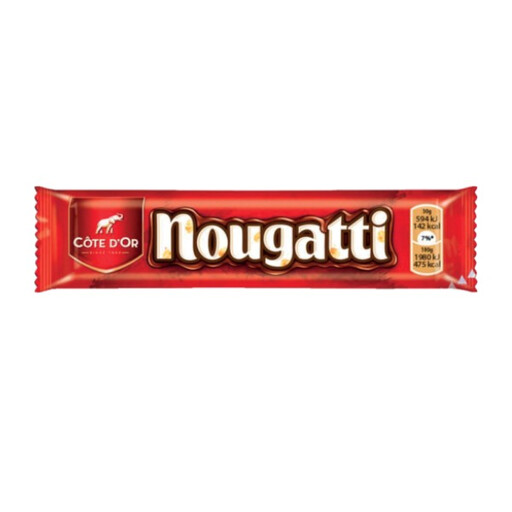 Image unavailable
Côte d'Or nougat and hazelnut bar, 30 g
Worth considering if you’d prefer a nougat and hazelnut bar to 70% dark chocolate. The stated weight is 30 g. Check whether each bar is individually wrapped, and read the label if milk or hazelnuts are a concern.
View on Joybuy
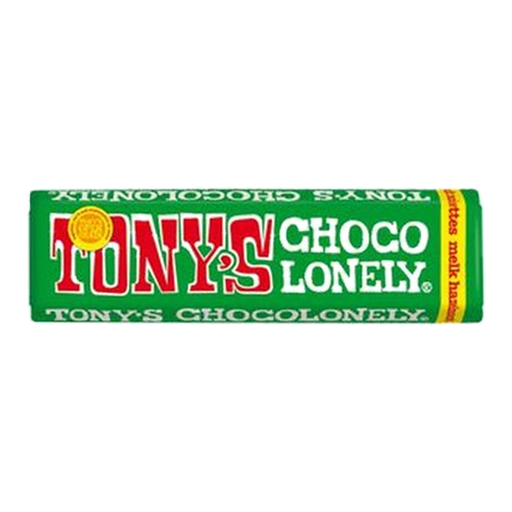 Image unavailable
TONY'S milk chocolate and hazelnut bar, 47 g
This 47 g bar is a good fit if you prefer milk chocolate and hazelnuts; it’s a different size from a 35 g mini bar. If you plan to take it with you, check whether it’s individually wrapped, and read the ingredients and allergen information on the bar you buy.
View on Joybuy
 Image unavailable
Poulain 70% dark chocolate, 100 g
Worth considering if you’re looking for 70% dark chocolate and want to break off a piece yourself to enjoy with your coffee. At 100 g, it isn’t a pre-portioned small serving. Check the ingredients and warnings on the packaging, especially if maltitol or soya is a factor in your choice.
View on Joybuy
Frequently asked questions
Is a chocolate bar subject to the “soda tax” in France?
No, this charge doesn’t apply to solid chocolate bars. The provisions of the French General Tax Code published by Légifrance apply to drinks and liquid preparations for drinks. When choosing a bar, check the sugars listed in its nutritional information instead.
Is Nutri-Score compulsory on Christmas chocolate?
No. Santé publique France and the DGCCRF state that displaying it is voluntary. For prepacked chocolate, read the ingredients list and nutrition declaration, whether or not the packaging displays a Nutri-Score.
How can I check the allergens in a milk or hazelnut bar?
Read the highlighted ingredients and any “may contain” statements on the packaging of the product you buy. Kinder France lists milk, soya, wheat and hazelnuts among the ingredients in Kinder Bueno Dark. Don’t assume the same list applies to another bar, even from the same brand.
What does it mean if the best-before date on chocolate has passed?
The best-before date, shown as “best before”, relates in particular to how well the product retains its quality. According to the DGCCRF, going past this date doesn’t, by itself, mean the product can’t be eaten if the packaging is intact, but the taste or texture may have changed. Check the condition of the chocolate too, and follow any use-by date if one is shown.


