Hosts planning to share
If you’re serving chocolates with a King’s cake or at an Epiphany tea, the net weight can help you choose the right amount for your guests, rather than relying on the size of the box.


To serve chocolates with your King’s cake without buying more than you need, start by counting your guests, then compare the net weight of similar formats. A decorated gift box is better suited to giving as a present. For pre-packed chocolates, also check the ingredients, allergens, nutritional information and best-before date.
If you’re serving chocolates with a King’s cake or at an Epiphany tea, the net weight can help you choose the right amount for your guests, rather than relying on the size of the box.
A gift box or selection serves a different purpose from chocolates intended to go with dessert. Lindt, for example, offers formats to give as a present or share, while Ferrero positions its Rocher chocolates for special occasions. These are examples of brand positioning.
If a guest needs to avoid an ingredient or allergen, check the recipe for the specific product, including each item in an assortment. To compare sugar content, use the nutritional information per 100 g rather than judging by the packaging.
First decide whether you’ll be sharing the chocolates or giving them as a present: this will determine which format you need. Then check what’s in the pack and whether it will be available in time.
| Priority | What to check | What matters to shoppers |
|---|---|---|
| Quantity to suit your budget | The net weight and, if stated, the number of pieces, for products of the same type. | If I’m serving chocolates after the King’s cake, I want to have enough without ending up with lots left over. Around 50% of shoppers prioritise getting the right quantity for their budget. |
| Ingredients and dietary requirements | Sugar per 100 g, the ingredients list and the allergens stated for each recipe. | If a guest needs to avoid an ingredient, what’s in the chocolates matters more than how the gift box looks. This is the main priority for around 30% of shoppers. |
| Presentation and availability | Whether the chocolates are for a gift or to share, followed by availability and the best-before date of the chosen product. | If I’m giving chocolates for Epiphany, I want a format that suits the occasion and will arrive in time. Around 20% of shoppers put this concern first. |
A large box doesn’t necessarily contain more chocolates than a simpler pack. For sharing after dessert, it’s the amount inside that helps you plan how much to serve.
Compare the net weight of similar products and, where shown on the pack, the number of pieces.
According to the DGCCRF, displaying Nutri-Score is voluntary in France. If it’s not shown, you can still check the nutritional information provided on most pre-packed foods.
Compare the per-100 g values that matter to you, particularly sugar and fat, and check the ingredients.
Ingredients can vary from one flavour to another in an assortment. The brand name or colour of the chocolate doesn’t tell you whether an allergen is absent.
Before serving the chocolates to someone with an allergy, read the information on the exact pack, including any warnings about possible traces.
Christmas ranges and some limited-time offers may not be available when you’re shopping for Epiphany.
Check that the format you want is available. If Christmas decorations aren’t essential, you could also consider a non-seasonal selection.
Lindt offers Christmas chocolates in a range of formats, including gift boxes and bags. These are worth considering if presentation matters for a present.
Ferrero positions its Rocher chocolates as treats for special occasions and sharing.
The retailer stocks Christmas chocolates from several brands and in different formats, so you can explore selections to give as presents or share.
The Marque Repère range includes different chocolates and confectionery, including chocolate bars and rochers.
Lidl says it offers seasonal products and limited-time deals, so check what’s available as Epiphany approaches.
These gift boxes, bags and bars suit different Epiphany occasions: a small present or chocolates to serve with dessert. Their presentation doesn’t mean they come in Christmas packaging.
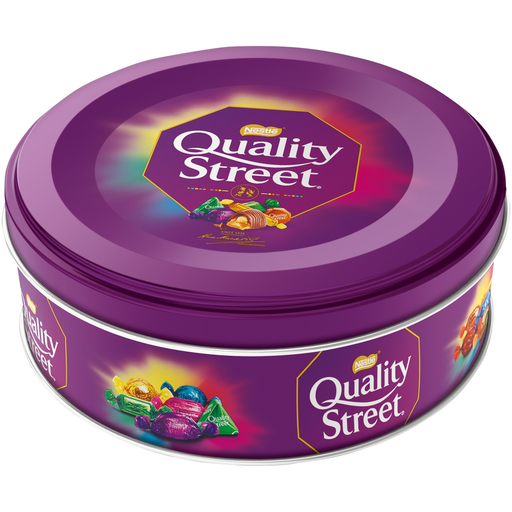 Image unavailable
This selection tin could be a good choice if you’d like to offer a variety of pieces after the King’s cake. It contains 400 g; check the ingredients for each variety if any of your guests need to avoid certain ingredients.
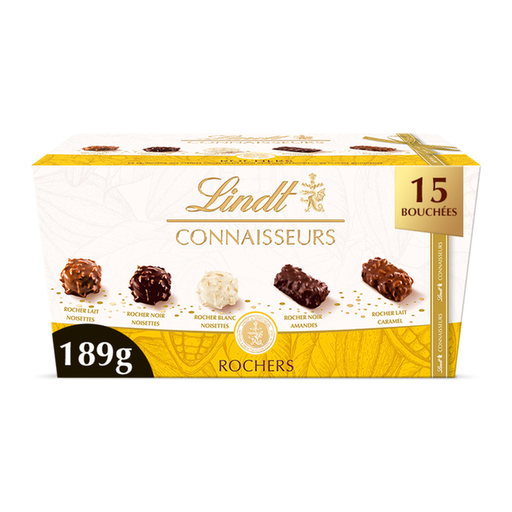 Image unavailable
This gift-box format is better suited to giving as a present than to serving a large amount with dessert. It weighs 189 g; check the ingredients and allergens on the box before sharing.
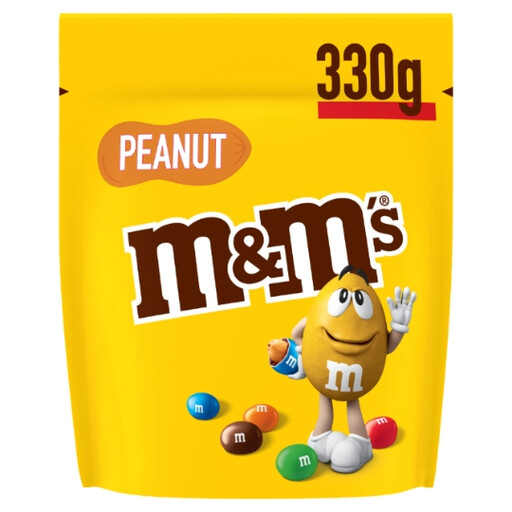 Image unavailable
This 330 g bag could be a handy addition to a shared tea if chocolate-coated peanuts are what you’d like to serve. It isn’t a replacement for a Christmas chocolate selection, and the ingredients should be checked for any guests with allergies.
 Image unavailable
The three separate bars could be a good choice if you’d rather serve the chocolate gradually with dessert. The pack contains 300 g in total; check the label for ingredients and allergens.
 Image unavailable
This bar isn’t presented as a Christmas chocolate, but it could go well with a King’s cake if a small amount of dark chocolate is all you need. It weighs 100 g and contains 85% cocoa; check the ingredients and allergens on the specific packaging.
No, not to solid chocolates as such. Article 1613 ter of the General Tax Code, published by Légifrance, applies to drinks and liquid drink preparations. Chocolate drinks are assessed separately, according to their exact category.
No. The DGCCRF states that Nutri-Score is voluntary in France, while nutritional labelling is compulsory for most pre-packed foods. To compare two products, look at their sugar and fat content per 100 g, and don’t judge the product as a whole based on a single value.
Read the ingredients list, the highlighted allergens and any ‘may contain’ warnings on the packaging of the product you’ve chosen. For an assortment, check the information for each type of piece where it’s provided.
Check the best-before date on the pack and choose a product that’s suitable for when you plan to serve it. Also check the storage instructions on the packaging.