People hosting a Christmas afternoon tea
A selection box on the table lets you offer a range of recipes without giving each chocolate as an individual gift. Check what’s inside if your guests have different preferences.


For a classic Christmas afternoon tea, choose a small pack for an occasional treat, a mixed box if several people will be helping themselves, or a gift box if presentation matters too. In every case, compare the net weight, recipes and allergens of the specific product. If a Nutri-Score is shown, it does not replace checking the ingredients and nutritional information.
A selection box on the table lets you offer a range of recipes without giving each chocolate as an individual gift. Check what’s inside if your guests have different preferences.
A box or gift set could be a good choice if presentation matters. The net weight and list of chocolates are also useful for working out what the recipient will actually get to enjoy.
If a guest needs to avoid an ingredient, check the ingredients list, allergens and any ‘may contain’ warnings on the exact product. The nutritional information also lets you compare products per 100 g.
Start with the occasion: an individual treat, a sharing table or chocolate that’s also intended as a gift. Then check the contents and label of each product you’re considering.
| Criteria | What to check | Who is it for? |
|---|---|---|
| Format and quantity | Net weight and whether it comes in a bag, box or gift set. | For an occasional treat, I want a suitable quantity, without choosing a large gift set for just a few chocolates. Around 40% of consumers would put this need for the right format first. |
| Variety to share | Recipes included and allergens in the specific selection. | When several people are helping themselves, I want to offer different flavours rather than just one recipe. Variety would be the top priority for around 30% of consumers. |
| Gift presentation | Exact contents, net weight and type of packaging. | If I’m bringing chocolates as a gift, their presentation matters just as much as how they’ll look on the afternoon tea table. Around 20% of consumers would prioritise this use. |
| Ingredients and labelling | Ingredients, allergens and nutritional information per 100 g, particularly sugars. | Before choosing something for a guest who needs to avoid an ingredient, I need to read the label on the specific product. This check would be a priority for around 10% of consumers. |
In France, the levy described by the Ministry of the Economy applies to sugary drinks, not Christmas chocolates. So it won’t help you choose between two selections.
To compare their ingredients, look instead at the ‘sugars’ line in the nutritional information per 100 g.
The DGCCRF describes the Nutri-Score as a voluntary label. Its absence isn’t enough to judge a chocolate’s composition or whether it complies with regulations.
If it appears on the packaging, use it alongside the ingredients, allergens and nutritional information.
A box may contain several recipes and ingredients. Its appearance doesn’t tell you whether every chocolate will be suitable for your guests.
Check the net weight, recipes, highlighted allergens and any ‘may contain’ warnings for the product you’ve chosen.
Christmas chocolates can vary by season and retailer. For example, a Carrefour product page listed one selection as unavailable.
Before planning your afternoon tea around a particular box, check whether it’s available in store or through your chosen collection service.
For Christmas chocolates to give as a gift or put on the table.
For people looking for a box of Ferrero Rocher, among other options.
A retailer to explore for smaller packs and their labelling information.
For browsing different Christmas chocolate formats before comparing specific products.
These two formats suit different occasions: a gift box to share or give as a present, and an advent calendar for an individual treat each day.
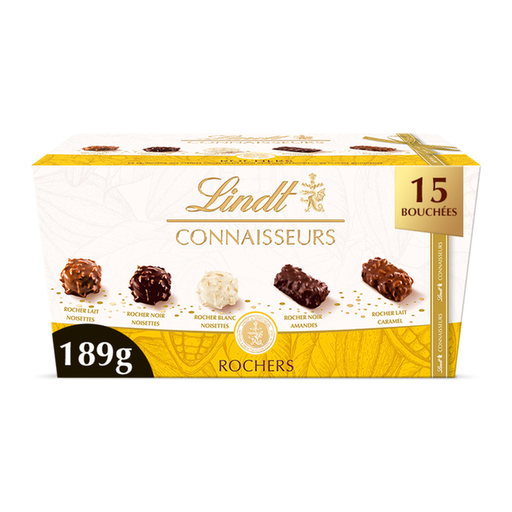 Image unavailable
This gift box is worth considering if you’d like to share chocolates or make a good impression with their presentation. It contains 189 g of assorted rochers. Check the recipes and allergens on the box before serving them to guests. If you’re looking specifically for a seasonal edition, check whether this product is part of a Christmas range.
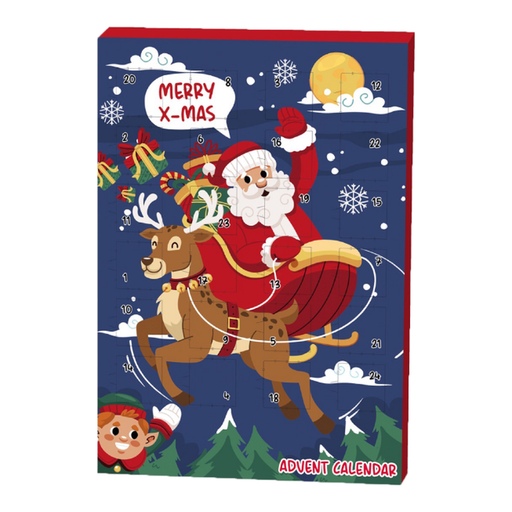 Image unavailable
This 50 g calendar is designed for enjoying a chocolate each day during Advent, rather than sharing from a box at a single afternoon tea. Check the label for the ingredients and allergens in the product being sold.
No. The levy known as the ‘soda tax’, described by the Ministry of the Economy, applies to sugary drinks. To compare two chocolates, check the ‘sugars’ line in their nutritional information per 100 g.
No. Under current rules, the DGCCRF and European Commission say that front-of-pack nutrition labels, including the Nutri-Score, are voluntary. Prepacked foods generally carry a nutrition declaration. Read it alongside the ingredients list, whether or not a score is shown.
Check the allergens highlighted in the ingredients list and any ‘may contain’ warnings on the specific selection. Recipes can vary between boxes. For example, a Carrefour product page warns that one particular product may contain peanuts, hazelnuts and sesame.
Follow the best-before date and storage instructions on the packaging. Don’t assume that a bag, calendar and gift box will all carry the same guidance.