For a treat after a workout
You want to plan how much chocolate to have without viewing it as a sports recovery product. The nutritional information per 100 g and the weight of the portion you have in mind can help you compare products.


To choose a Christmas chocolate to enjoy occasionally after exercise, start with the exact product. Compare its sugar, fat and protein content, along with the amount you plan to eat, without assuming it has any recovery benefits. An assortment is best if the gift and sharing are the main priorities; a dark chocolate bar lets you compare a single recipe, but its cocoa percentage alone doesn’t tell you what’s in it.
You want to plan how much chocolate to have without viewing it as a sports recovery product. The nutritional information per 100 g and the weight of the portion you have in mind can help you compare products.
You’re looking for a range of flavours or bite-sized chocolates to share around. Check what’s in the box, its net weight and the ingredients in the assortment, especially if you don’t know the recipient’s preferences very well.
If the recipient needs to avoid an allergen or alcohol, check the exact product before choosing. A single gift box may contain several recipes, with different ingredients and ‘may contain’ warnings.
Start with how you plan to use it — as a personal treat or a gift — then read the label on the product you choose. A festive presentation tells you nothing about the ingredients in each recipe or how much you’ll eat.
| What to consider | What to check | Who is it for? |
|---|---|---|
| Nutritional composition | Compare sugar, fat and protein per 100 g, then consider how much you plan to eat. | After a workout, I want to know what’s in my treat rather than assume it helps with recovery. Around 38% of consumers put this comparison at the top of their needs. |
| Gift and format | Check the net weight, what’s included in the assortment and the number of chocolates, if stated. | When buying for several people, I look for recipes to share and a format suited to the occasion. This is reportedly a priority for around 23% of consumers. |
| Ingredients to avoid | Read the ingredients list, highlighted allergens and ‘may contain’ warnings; also check whether it contains alcohol. | If the recipient needs to avoid certain ingredients, making sure the recipes are suitable matters more than having variety in the box. Around 23% of consumers would make this their top priority. |
| Seasonal choice | Check that the format is what you want and that it’s available where and when you plan to buy it. | If the gift needs to be ready for a specific date, I want to be able to get the format I’ve chosen in time. This would be the top priority for around 16% of consumers. |
The levy described by Légifrance applies to drinks and liquid preparations for drinks, not to a box of solid chocolates as such. However, the sugar content is still useful to check when choosing a portion.
To compare two chocolates, look at their nutritional information per 100 g rather than using this tax as a deciding factor.
The DGCCRF describes Nutri-Score as a voluntary label. Its absence therefore doesn’t mean that a box of chocolates fails to meet labelling rules.
Use the nutritional declaration for prepacked foods, which is generally mandatory, and compare the values per 100 g for similar products.
A praline or filled chocolate may not be suitable for the recipient. For example, Auchan France warns that a specific Riegelein assortment may contain traces of tree nuts, peanuts, wheat and soya.
Check the ingredients, highlighted allergens, ‘may contain’ warnings and any information about alcohol on the box you choose.
Worth considering if you’re choosing between a dark chocolate recipe and an assortment to give as a gift: you can’t compare these formats on presentation alone.
Ferrero Rocher chocolates are a good choice if you’re looking for praline and a format to share.
This retailer lets you browse a range of festive chocolate formats, including assortments from different brands.
Its product pages for confectionery gifts can help you check the ingredients in a particular box before choosing it.
A retailer to consider if you’re happy to browse a chocolate selection that changes with seasonal offers.
This selection includes assortments to give as a gift or share, two dark chocolate bars and an Advent calendar. The bars and calendar aren’t boxes of chocolates to share, so choose the format that best suits how you’ll use it.
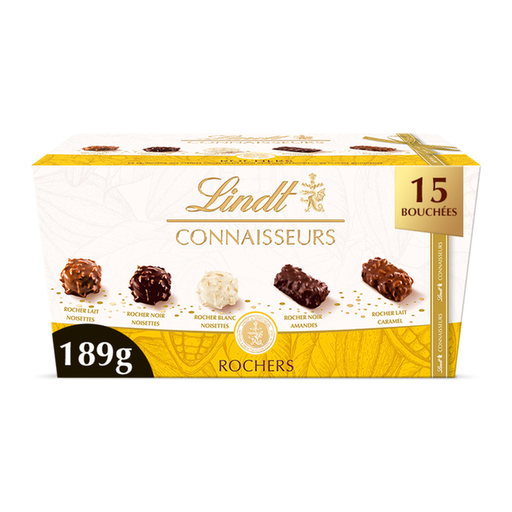 Image unavailable
This gift box is a good choice if you’re looking for assorted rochers to give as a gift or share. The stated pack size is 189 g; if you’re having it after exercise, decide how much you’d like to eat and check the ingredients in the assortment if buying it for someone else.
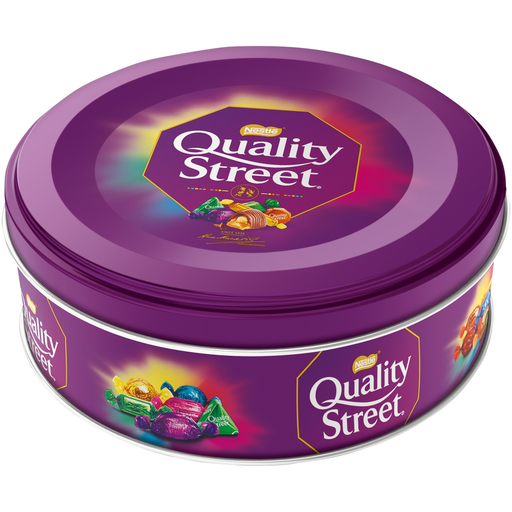 Image unavailable
This tin of chocolates and sweets is better suited to sharing than choosing a single recipe to enjoy after a workout. It contains 400 g; check the variety and ingredients if you’re buying it for someone with dietary restrictions.
 Image unavailable
This bar is for anyone who’d rather look at a single recipe than choose an assortment. The title states 70% cocoa and 100 g; the cocoa percentage doesn’t replace checking the nutritional values, the portion you choose and the warning about maltitol.
 Image unavailable
This mini bar is a good choice if you’re looking for a small format of dark chocolate rather than a gift box. The title states 70% cocoa and 35 g; check the label to distinguish the weight of the bar from the amount you plan to eat.
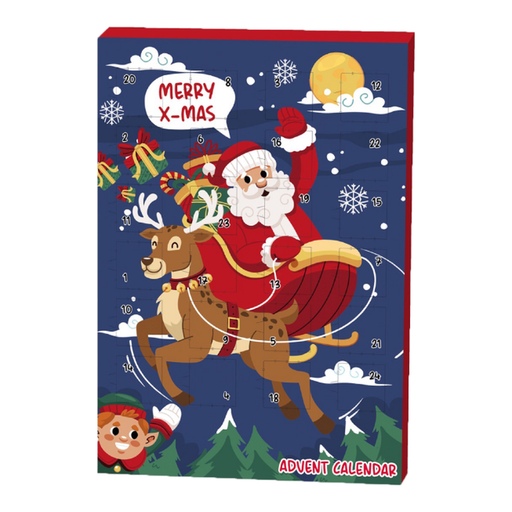 Image unavailable
This calendar makes a small Christmas-themed gift, but it isn’t suitable if you’re looking for a box to share after a workout. Its stated weight is 50 g; check the ingredients and composition on the packaging before giving it as a gift.
No, not as a box of solid chocolates. The text published by Légifrance applies to drinks and liquid preparations for drinks; the sugar content of chocolate is a separate nutritional factor to check on the packaging.
No. The DGCCRF says that displaying it is voluntary. To compare prepacked chocolates, use the nutritional declaration, which is generally mandatory, and look in particular at the sugar and fat values per 100 g.
Check the ingredients list and highlighted allergens on the exact box, then look for ‘may contain’ warnings and any alcohol content. Also check the net weight and storage instructions to choose a format that suits the recipient.
Follow the instructions for the product you’ve bought rather than assuming every box should be stored at the same temperature. For example, the product page for a Riegelein assortment published by Auchan France says to store it in a dry place away from heat.
The fact that it’s presented as Christmas chocolate doesn’t mean it can serve that purpose. If you’d like to have some after a workout, treat it as an occasional treat and check the nutritional values for the exact product, along with the amount you plan to eat.